Essential Preparations for Achieving Stunning Charity Walk Braids
Which Supplies are Essential for Successful Charity Walk Braiding?

To successfully execute charity walk braids, it is vital to gather a comprehensive array of essential supplies that facilitate an enjoyable and seamless experience for all participants. The right tools not only streamline the braiding process but also enhance the aesthetic appeal of the finished styles. Participants should focus on acquiring reliable and user-friendly items that cater to various skill levels. Below is a detailed list of recommended supplies to ensure thorough preparation and maximise the effectiveness of your braiding activities:
- Ribbons: Opt for vibrant, eye-catching colours to enhance visual impact and create striking designs.
- Elastic bands: These are crucial for securing braids without causing damage to the hair.
- Hair clips: Ideal for sectioning hair or temporarily holding styles in place while you work.
- Combs: Essential for detangling hair and creating neat, even sections for braiding.
- Hair spray: Keeps braids intact during walks, ensuring they maintain their shape throughout the event.
- Scissors: Necessary for trimming excess material or stray hair, contributing to a polished appearance.
- Braiding books or guides: Valuable resources for learning new techniques and styles that can inspire creativity.
- Water bottles: Essential for keeping participants hydrated throughout the braiding process and during the charity walk.
These supplies are typically readily available at craft stores, beauty supply shops, or online retailers, making it easy for all participants to gather what they need. Preparing with these materials not only significantly enhances the braiding process but also improves the overall charity walk experience for everyone involved, fostering a sense of community and purpose.
What Fundamental Braiding Techniques Should You Learn to Enhance Your Skills?
Mastering basic braiding techniques is crucial for executing charity walk braids effectively and efficiently. Simple braiding methods empower participants of all ages and skill levels to engage fully, fostering inclusivity and collaboration within the group. Popular styles, such as the three-strand braid, serve as the foundational technique for numerous variations and are relatively straightforward to learn. This basic style can be built upon as participants gain confidence in their abilities and explore more complex designs.
Holding practice sessions prior to the event can significantly enhance braiding skills and ensure smooth execution during the actual charity walk. By encouraging participants to experiment with diverse techniques, such as fishtail or Dutch braids, everyone can become comfortable with the braiding process. This preparation not only cultivates a positive environment but also enables participants to focus on working together for the greater good of the charity event while refining their braiding skills.
What Important Safety Measures Should You Consider During Braiding Activities?
Prioritising safety during braiding activities is essential for maintaining health standards and ensuring participant comfort throughout the event. It is crucial to utilise non-allergenic products, particularly for individuals with sensitive skin or allergies. This attention to detail builds trust among participants and encourages their full engagement, which is vital for the success of any charity event focused on community well-being.
Maintaining hygiene throughout the braiding process is vital to prevent discomfort and potential injuries. Participants should wash their hands thoroughly before handling any materials and ensure that all tools remain clean and sanitised. Furthermore, it is advisable to monitor the environment for hazards, such as sharp objects or tripping dangers, thereby ensuring a safe space for everyone involved. These precautions enhance the overall experience and foster long-term engagement with charity events by ensuring participants feel secure and valued.
How Does Engaging in Charity Walk Braids Foster Community Connections?
Why is Collaboration Essential in Braiding Activities?
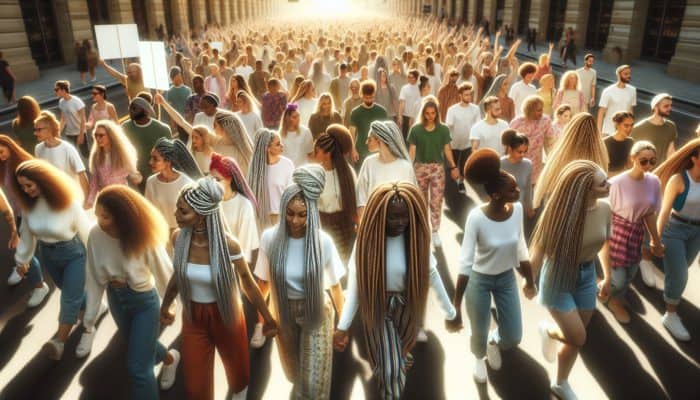
Engaging in braiding during charity walks serves as a powerful catalyst for fostering teamwork and collaboration among participants. When individuals unite to create unique designs, it inherently cultivates shared objectives that strengthen bonds within the community. The collaborative essence of braiding nurtures an environment where ideas flourish, and participants work side by side toward a common goal, which can significantly amplify the overall impact of the charity event while enriching the personal connections formed.
This spirit of collaboration enhances the overall impact of the charity event, as participants feel more engaged and deeply invested in the cause. By sharing their skills and insights, they create lasting memories that contribute to a sense of belonging. The joy of crafting something beautiful together not only elevates the event’s atmosphere but also encourages attendees to participate in future activities, thereby solidifying community connections and commitment to charitable efforts that benefit those in need.
What Valuable Skills Do Participants Gain Through Braiding Activities?
Participants in charity walks that include braiding activities acquire invaluable hands-on skills that extend well beyond the realm of creativity and self-expression. The process of braiding promotes fine motor skills, enhancing dexterity and coordination among all individuals involved. As participants engage in practice, they build confidence in their abilities, making the charity walk an even more rewarding experience for everyone involved and fostering personal development.
Moreover, mastering braiding techniques fosters a profound sense of accomplishment. Participants learn the importance of persistence, patience, and teamwork, all of which are essential skills for both personal and group achievements. These lessons build character and encourage individuals to embrace new challenges, both within the context of charity events and in their daily lives, leading to personal growth and a stronger connection with their community.
How Can You Effectively Assess the Success of Braiding Activities?

To effectively evaluate the success of braiding activities within charity walks, it is crucial to track progress through various success metrics. Simple methods, such as gathering participant feedback, can provide valuable insights into how the braiding experience contributes to the overall charity goals and objectives. Understanding participant perspectives can greatly inform future improvements and adjustments.
By implementing feedback mechanisms, organisers can identify areas for improvement, fostering continuous growth and development for future events. Additionally, measuring engagement levels, skill acquisition, and participant satisfaction can help ensure that the charity walk remains motivating and effective for everyone involved. This commitment to evaluation demonstrates a dedication to enhancing the charitable experience, ultimately benefiting both the cause and the community it serves through informed planning and execution.
How Do Braiding Activities Encourage Inclusivity Among Participants?
Incorporating braiding activities into charity walks significantly promotes inclusivity, welcoming participants from diverse backgrounds and abilities. This approach ensures that everyone can collaborate and share their experiences, creating a rich tapestry of interactions that enhance the charity event’s atmosphere. By encouraging individuals to express their creativity through braiding, events become more accessible and engaging for all attendees, fostering an environment of mutual respect and understanding.
Inclusivity in charity walks fosters a sense of belonging and unity among participants, which is crucial for building community spirit and support. When individuals feel valued and included, the overall charitable outcomes improve, as attendees are more likely to contribute actively and support one another. This collaborative and inclusive environment not only elevates the event but also reinforces the mission behind the charity, creating a meaningful experience for everyone involved, while promoting long-term engagement and support for charitable initiatives.
What Expert Strategies Can Enhance the Quality of Charity Walk Braids?
Exploring Advanced Braiding Techniques for Greater Visual Impact
For those looking to elevate their braiding skills during charity walks, advanced braiding methods can create stunning visual effects that capture attention and inspire participants. Techniques such as waterfall braiding or infinity braiding introduce complexity and flair, encouraging creativity among participants and transforming the ordinary into the extraordinary. These advanced styles can be a highlight of the event, attracting more attention and engagement.
Real-world examples of innovative braids can motivate participants to push their boundaries, showcasing the art of braiding as a powerful form of self-expression. By providing step-by-step guidance on these advanced techniques, organisers can empower individuals to experiment with new styles, ultimately enhancing the overall aesthetic of the charity event. This emphasis on creativity and skill development can significantly boost the outcomes of the event, attracting a larger audience and generating more funds for the cause being supported through enhanced participation.
What Challenges Do Experts Encounter During Braiding Events?
Experts involved in executing charity walk braids often face challenges, with time constraints being a primary concern. Balancing the need for quality braiding with the limited time available can be daunting. However, strategic planning and adaptive strategies can help mitigate these issues, ensuring that the braiding process remains effective and enjoyable for all participants involved in the event.
One common strategy is to establish clear timelines and allocate specific time slots for different braiding activities. This structured approach allows participants to understand expectations and remain focused on their tasks. Additionally, offering easy-to-follow tutorials or demonstrations can help streamline the learning process, enabling everyone to participate at their own pace while gaining confidence. By proactively addressing time constraints, experts can create a more cohesive and engaging braiding experience for all involved, ensuring that the charity walk proceeds smoothly and successfully.
How Can You Effectively Integrate Braiding into Charity Event Planning?
Successfully incorporating braiding into charity walks requires expert coordination to ensure that activities align with broader event objectives. Effective integration involves meticulous planning, including setting clear goals for the braiding activities that reflect the charity’s mission and values while ensuring a seamless experience for participants.
Coordinating timelines, materials, and participant roles is essential to maximise the benefits of the braiding activities. Engaging volunteers with experience in event planning can enhance the overall execution, ensuring that the braiding component is well-organised and enjoyable for all participants. By aligning braiding with the charity’s objectives, event planners can create a cohesive experience that resonates with participants and reinforces the charitable cause, ultimately leading to greater impact and engagement within the community.
What Innovations are Shaping the Future of Braiding in Charity Events?
As the landscape of charity events evolves, experts anticipate exciting innovations in braiding techniques that will revolutionise charity walks. Emerging trends such as digital integration—utilising social media platforms to share braiding experiences and promote engagement—are becoming increasingly popular and relevant in today’s interconnected world of fundraising and community engagement.
Community-driven designs that reflect local cultures and traditions are also set to play a significant role in shaping future charity walks. This focus on sustainability and inclusivity ensures that braiding remains relevant and meaningful for participants. Embracing these innovations can enhance the overall participant experience, drawing in diverse crowds and amplifying charitable outcomes. As charities adapt to these changes, the incorporation of advanced braiding techniques will undoubtedly be pivotal to the success of upcoming events, making them memorable and impactful for all involved.
What Are the Foundational Elements of Successful Charity Walk Braids?
Core Elements Necessary for Braiding Success in Charity Events
Identifying the key components of braiding for charity walks is essential to ensure a cohesive and engaging experience for participants. Fundamental elements, including design, structure, and technique, contribute significantly to the overall success of the braiding activities and the event itself. Each of these components plays a vital role in creating a memorable experience that participants will cherish.
A thoughtfully conceived design can elevate the aesthetic appeal of the braids, making them visually striking and memorable for all. Furthermore, the structure of the braids must be robust enough to endure the rigours of the charity walk, ensuring durability throughout the event. Equipping participants with the essential skills and knowledge to execute these core components will lead to a more enjoyable and impactful experience for everyone involved, ultimately fostering a sense of accomplishment and pride in their contributions.
What Maintenance Strategies Are Effective for Keeping Braids Intact During Events?
Maintaining the integrity of braids during charity walks involves implementing regular checks and adjustments throughout the event. This practice is vital for preserving the braids’ appeal and effectiveness over time, ensuring that participants feel confident and proud of their creations as they walk. Regular maintenance checks can prevent minor issues from becoming larger problems.
Encouraging participants to carry essential maintenance tools, such as hair clips and combs, can facilitate quick adjustments as needed. Assigning volunteers to assist with upkeep can also streamline the process, allowing everyone to concentrate on the experience and the cause. By prioritising maintenance strategies, organisers can ensure that the braiding element remains a highlight of the charity walk, contributing to its overall success and enjoyment while fostering a sense of community among participants.
How Can You Adapt Braiding Techniques for Diverse Groups of Participants?
Tailoring braiding approaches to meet the needs of various participants is crucial for making charity walks inclusive and successful. Adapting techniques based on age, skill level, and individual preferences guarantees that everyone can contribute meaningfully to the braiding activities and feel engaged in the process. This adaptability fosters a welcoming environment where all participants can thrive.
For example, younger participants may benefit from simpler braiding techniques, while more experienced individuals can tackle more intricate styles that challenge their skills. Providing accessible resources, such as visual guides or video tutorials, can cater to diverse learning styles and abilities. This flexibility enhances the overall experience for all participants, fostering a sense of belonging and encouraging continued engagement with charity events that promote creativity and collaboration.
Effective Strategies for Successfully Executing Charity Walk Braids
What Creative Design Approaches Can You Implement to Enhance Charity Walks?
Exploring imaginative braiding designs that align with charity themes can significantly enhance the visual and emotional impact during walks. Innovative design strategies, such as colour-coordinated braids or themed patterns, can resonate deeply with participants and onlookers alike, creating a more immersive experience that reinforces the purpose of the charity event.
Providing practical tips for creating these designs, such as incorporating symbolic colours or patterns that reflect the charity’s mission, can elevate the overall experience for everyone involved. Encouraging participants to brainstorm and collaborate on designs fosters creativity and strengthens community bonds, ultimately enhancing the success of the charity event and reinforcing its purpose in the hearts of all who participate.
How Can You Efficiently Manage Resources for Braiding Activities During Events?
Effectively managing supplies and time for braiding in charity events is essential for achieving optimal results and ensuring a smooth experience for all participants. Implementing resource allocation techniques, such as creating a detailed inventory of materials beforehand, can help organisers ensure that all necessary items are available and prepared for use during the event, minimising last-minute rushes and stress.
Establishing a clear timeline for braiding activities allows participants to remain organised and focused on their tasks. Additionally, training volunteers to assist with resource management can alleviate potential stress during the event, enabling everyone to contribute effectively. By prioritising resource allocation, organisers can enhance the overall success of the charity walk and ensure a smooth braiding experience for all participants involved, maximising the enjoyment and impact of the event.
What Evaluation and Improvement Methods Should You Consider for Future Charity Events?
Assessing braiding outcomes after the event is essential for refining future activities and driving continuous enhancement. Gathering feedback from participants can provide invaluable insights into what worked well and what areas need improvement in the overall event structure and execution, helping to create a more engaging experience for all.
Implementing structured evaluation methods, such as surveys or focus groups, allows organisers to gain a comprehensive understanding of participant experiences. By analysing this feedback, organisers can identify successful strategies and areas for growth, ensuring that future charity walks become even more engaging and enjoyable for everyone involved. This commitment to evaluation demonstrates a dedication to enhancing the charitable experience, ultimately benefiting both the cause and the community it serves through informed planning and execution.
How to Maintain Engagement in Charity Walk Braids Throughout the Event?
What Motivational Techniques Can You Apply to Encourage Participants?
Utilising various motivational techniques is key to sustaining high energy levels during both braiding and walking activities. Encouragement methods, such as celebrating small achievements or recognising creative contributions, foster a sense of accomplishment and dedication among all participants. These positive reinforcements can significantly enhance the overall atmosphere of the event.
Incorporating enjoyable elements, such as friendly competitions or themed braiding sessions, can further elevate motivation levels and keep spirits high. Creating a supportive environment where participants feel valued ensures that they remain engaged throughout the event, ultimately enhancing their overall experience and connection to the cause being supported by the charity. This sense of community and shared purpose is essential for the success of the event.
What Long-Term Assessment Strategies Should Be Employed for Braiding Activities?
Examining how ongoing braiding efforts contribute to charity objectives is essential for maintaining interest and support over multiple events. Assessing the long-term impact of braiding activities allows organisers to identify patterns, successes, and areas for improvement, ensuring that future charity walks continue to resonate with participants and the community while fulfilling the charity’s mission.
By tracking participant engagement and the effectiveness of braiding techniques, organisations can refine their approaches and adapt to changing needs. This focus on assessment fosters a culture of growth and adaptability, ensuring that the charity remains relevant and impactful for the community it serves, ultimately enhancing both the experience and the outcomes of future events and fostering long-lasting community support.
Why is Thoughtful Integration Important in Charity Events?
The thoughtful integration of braiding activities enhances the overall purpose of charity walks, creating lasting value and encouraging participation. When braiding is meticulously incorporated into the event, it enriches the experience for all involved, fostering community spirit and a deeper connection to the charitable cause that binds participants together.
Effective integration entails aligning the braiding activities with the broader objectives of the charity walk, ensuring that participants comprehend the significance of their contributions. This alignment deepens engagement and encourages individuals to take an active role in the event, ultimately amplifying the impact of the charity and reinforcing its mission within the community, creating a stronger, more supportive environment for all involved.
How Important is Participant Feedback for Shaping Future Charity Events?
Collecting feedback from participants regarding braiding and walking activities is essential for sustaining engagement in charity walks. Establishing open channels of communication allows participants to share their thoughts and experiences, which can provide valuable insights into the event’s effectiveness and the activities undertaken, informing future planning.
Adapting future events based on participant feedback ensures that activities remain relevant and enjoyable for everyone involved. Incorporating suggestions, such as varying braiding techniques or introducing new themes, can keep the experience fresh and exciting for returning participants. This ongoing commitment to improvement fosters a sense of ownership and involvement within the community, encouraging continued support for the charitable cause being promoted and reinforcing its importance in the lives of participants and beneficiaries alike.
Frequently Asked Questions (FAQs) About Charity Walk Braids
What is the significance of braiding in charity walks?
Braiding in charity walks serves as a creative outlet for participants, fostering collaboration and community spirit. It enhances the event’s visual appeal while encouraging inclusivity among diverse groups, enriching the overall experience for all involved and creating a memorable atmosphere.
How can I ensure participants have the right materials for braiding?
Providing a comprehensive list of materials before the event is crucial. Consider arranging a supply station where participants can easily access the necessary tools and materials, ensuring a smooth start to the braiding process and allowing everyone to feel prepared and involved.
What basic braiding techniques should I teach participants?
Focus on simple techniques such as three-strand braids and fishtail braids. These methods are easy to learn and can be built upon for more advanced options, catering to a range of skill levels and ensuring inclusivity in the learning experience.
How can I promote safety during braiding activities?
Encourage the use of non-allergenic products and maintain hygiene standards. Regularly check for hazards to ensure a safe environment for all participants involved in the braiding process and the charity walk, creating a supportive and secure atmosphere.
What role does collaboration play in charity walk braids?
Collaboration fosters teamwork and shared goals, strengthening community bonds. Participants working together to create unique braids promote a sense of belonging and enhance the overall impact of the event, making it more memorable and meaningful for everyone involved.
How can I measure the success of braiding activities?
Gather participant feedback and track engagement levels to evaluate the contribution of braiding activities to charity goals. This data can inform improvements for future events, ensuring they remain effective and engaging for all participants while achieving the charity’s objectives.
What advanced techniques can enhance charity walk braids?
Introduce participants to techniques like waterfall and infinity braiding. These methods allow for creative expression and can elevate the overall visual impact of the event, making it more appealing to participants and attendees alike while showcasing unique styles.
How can I adapt braiding for different skill levels?
Tailor techniques to suit various participant needs, providing simpler styles for beginners while offering more complex patterns for experienced individuals to encourage inclusivity and engagement among all participants, ensuring everyone can contribute meaningfully.
What strategies can I use to sustain participant engagement during the event?
Implement motivation techniques, such as celebrating achievements and introducing fun elements to the event. Create a supportive environment to ensure participants remain engaged and dedicated throughout the charity walk and braiding activities, fostering a sense of community and shared purpose.
How important is participant feedback for shaping future events?
Participant feedback is crucial for assessing the effectiveness of past events and informing improvements for future activities. Adaptations based on this input foster ongoing engagement and support for the charity’s mission and objectives, ensuring relevance and impact in future charity events.
Join us on Facebook today!
The Article: Executing Charity Walk Braids: Tips for Success appeared first on Amitys Hair Salon.
The Article Charity Walk Braids: Essential Tips for Success Was Found On https://limitsofstrategy.com