Master Eco-Friendly Home Decluttering: An In-Depth Guide for Residents Across the UK
What Sustainable Strategies Can Revolutionise Your Home Decluttering Endeavour?

Clearing a UK Home Greenly: By adopting sustainable clearing methods, homeowners can effectively transform their decluttering experiences into eco-conscious efforts that promote environmental stewardship. These techniques prioritise the reuse of items, thus significantly reducing waste and nurturing a space that supports environmental health. By incorporating these sustainable strategies, individuals can lower their ecological footprint while positively influencing local ecosystems.
Successfully embracing these green clearing practices necessitates a thorough understanding of several essential principles, which encompass:
- Focusing on recycling and repurposing instead of disposal.
- Utilising biodegradable cleaning solutions and materials for a reduced ecological impact.
- Maximising local resources to lower transportation emissions.
- Encouraging community sharing and donating items to charities.
- Investing in durable, high-quality sustainable goods that last.
- Setting clear decluttering objectives to maintain motivation.
- Regularly reviewing household waste habits for improvement.
- Educating family members about sustainable practices to foster a collective effort.
By adhering to these principles, homeowners can create an organised and sustainable living environment, yielding benefits for both themselves and the planet.
What Essential Equipment Should You Gather for Effective Home Decluttering?
Equipping your home with the proper tools is crucial for successful eco-friendly clearing. Choosing eco-friendly materials and equipment is vital, as this reduces environmental impact while supporting local sustainability initiatives. The market offers a wealth of biodegradable options that are practical and beneficial to the environment.
When preparing for home clearing, consider investing in the following essential tools:
- Reusable storage boxes made from recycled materials to promote sustainability.
- Biodegradable waste bags for efficient disposal of rubbish.
- Natural cleaning agents that help minimise chemical pollution in the home.
- Second-hand furniture or organisers to lower resource consumption.
- Upcycling supplies, including paints and adhesives to give new life to old items.
- Energy-efficient gadgets to aid in the clearing process.
- Digital tools or apps designed for managing household inventory effectively.
- Donation bags specifically designated for local charities.
These tools facilitate the decluttering process while aligning with sustainable practices, ensuring a positive impact on the environment.
How Can You Identify Common Household Waste in the UK?
Recognising common household waste is fundamental for transitioning to greener practices. In the UK, a multitude of everyday items can be recycled or repurposed, effectively diverting waste from landfills. Understanding local regulations and typical waste streams prevalent in UK households is vital for identifying these recyclable items.
Common household items that are frequently recyclable include:
- Plastic bottles and containers that are widely accepted in recycling programs.
- Glass jars and bottles that can be processed for reuse.
- Cardboard and paper products that are easily recycled.
- Textiles, such as old clothing and linens that can find new life.
- Electronics and batteries that require special disposal methods.
- Food waste suitable for composting to enrich gardens.
- Furniture that can be donated or refurbished for continued use.
- Garden waste, including leaves and branches that can be composted.
By increasing awareness of these items, homeowners can dramatically enhance their recycling practices, thereby contributing to a circular economy and promoting sustainable long-term home maintenance.
What Eco-Friendly Techniques Should Be Embraced for Efficient Clearing?
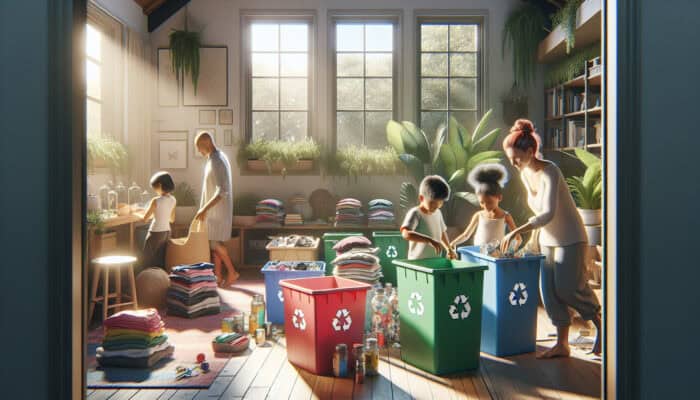
Implementing eco-friendly clearing in UK homes entails a series of actionable steps designed to minimise waste while promoting sustainability. A highly effective approach involves sorting and categorising items based on their potential for reuse or recycling. This method streamlines the decluttering process while ensuring compliance with local environmental regulations.
Start by thoroughly assessing each room in your home. Conduct a meticulous evaluation of belongings that are no longer necessary or useful. Identify what can be recycled, repurposed, or donated. Once items are sorted, take the following actions:
- Designate specific areas for recycling and donations.
- Employ eco-friendly bins for effective waste sorting.
- Arrange regular pickups with local charities for larger items.
- Follow local recycling guidelines to ensure compliance with regulations.
- Involve family members in decision-making regarding items to keep or discard.
- Keep a record of items donated or disposed of for personal tracking.
- Consider implementing a composting system for organic waste to enrich your garden.
- Consistently review and refine your clearing techniques for continuous improvement.
By embracing these techniques, homeowners can significantly reduce their environmental impact while creating a more organised and efficient living space.
What Environmental Benefits Emerge from Sustainable Home Clearing in the UK?
How Do Eco-Friendly Clearing Practices Affect Local Ecosystems?
Embracing eco-friendly clearing techniques in UK homes brings substantial benefits for local ecosystems. By minimising household waste and adopting sustainable practices, homeowners can reduce their carbon footprints while actively safeguarding biodiversity. This is particularly crucial in areas where native plants and wildlife face threats from pollution and habitat destruction.
Eco-friendly clearing practices bolster environmental conservation by conserving resources and enhancing local habitats. For instance, when homeowners prioritise recycling over disposal, they save energy and raw materials essential for protecting ecosystems. Moreover, fostering biodiversity through sustainable gardening or landscaping can create habitats for local wildlife, further enriching the environment.
Additionally, engaging in community initiatives that support native plant cultivation and wildlife-friendly practices strengthens local ecosystems. By working together, homeowners can create a ripple effect that enhances environmental resilience and conserves local flora and fauna.
What Energy-Efficient Strategies Can Be Employed During Home Decluttering?
Incorporating energy-efficient practices during home clearing not only diminishes energy consumption but also bolsters overall sustainability. Choosing renewable energy sources represents a practical way to reduce reliance on fossil fuels. In the UK, homeowners can utilise solar-powered tools to significantly lower energy usage during decluttering activities.
For example, employing solar-powered vacuum cleaners or garden tools can cut down the carbon footprint associated with cleaning and maintenance efforts. Furthermore, investing in energy-efficient appliances and smart home technology can optimise energy consumption, contributing to environmental sustainability while yielding long-term savings on energy bills.
Moreover, homeowners should consider conducting energy audits to identify opportunities for improving energy efficiency. These audits reveal areas of energy waste and provide actionable insights to support more sustainable living. By embracing energy-efficient practices, homeowners can leave a lasting positive impact on their households and the environment.
What Challenges Are Associated with Traditional Clearing Methods?
Conventional clearing methods often pose significant environmental challenges that can adversely impact households and the environment. Many traditional practices rely heavily on chemical cleaning agents and non-recyclable materials, leading to increased pollution and waste. For instance, the use of harsh chemicals not only degrades indoor air quality but also contributes to water pollution when they are washed down the sink.
Moreover, the dependency on disposable products during the clearing process exacerbates landfill issues. As a growing volume of household waste is directed to landfills, it becomes imperative to consider alternatives that comply with national environmental policies. This includes selecting biodegradable products, utilising reusable containers, and integrating recycling practices into daily routines.
Addressing these challenges necessitates a shift in mindset towards more sustainable clearing methods. Homeowners can educate themselves about eco-friendly alternatives and seek products that are both effective and environmentally responsible. By making informed choices, individuals can enhance their home cleaning practices while adhering to national guidelines to reduce waste and promote sustainability.
How Can Recycling and Waste Reduction Be Promoted During the Clearing Process?
Incorporating recycling practices into the home clearing process is crucial for minimising waste and fostering environmental sustainability. By actively implementing waste-reduction strategies, homeowners can significantly decrease the volume of rubbish sent to landfills. This commitment not only aligns with broader environmental goals but also adheres to UK waste regulations aimed at reducing landfill usage.
To effectively encourage recycling and waste reduction, homeowners can implement several strategies, including:
- Creating a dedicated recycling station at home for ease of sorting.
- Staying informed about local recycling guidelines to ensure compliance.
- Inspiring family members to actively engage in recycling initiatives.
- Using reusable shopping bags to mitigate plastic waste.
- Considering composting for organic materials to enrich soil health.
- Participating in local recycling initiatives or community swap events.
- Educating oneself on the recycling processes applicable to various materials.
- Regularly assessing household waste to identify areas for improvement.
By incorporating these practices into daily routines, homeowners can contribute to a more sustainable future and motivate others to follow suit.
What Expert Insights Can Aid in Eco-Friendly Home Clearing in the UK?
What Practical Recommendations from UK Research Support Sustainable Clearing?
Expert analysis on green clearing techniques reveals a range of effective practices supported by UK research. A significant finding suggests that structured decluttering processes substantially increase the likelihood of maintaining a sustainable home. Implementing systematic strategies simplifies the clearing process and encourages long-term adherence to eco-friendly habits.
For example, studies demonstrate that homeowners who establish specific decluttering objectives—such as focusing on one room at a time or dedicating a weekend to clearing—are more successful at realising their goals. Real-world examples of successful green clearing projects underscore the importance of involving family members in the process, fostering a culture of sustainability within the household.
Furthermore, research highlights that utilising local recycling resources and community initiatives can alleviate waste management burdens. Homeowners can benefit from connecting with local charities for donations or participating in community swap events, ensuring that unwanted items are reused while minimising waste.
What Sustainable Storage Solutions Do Experts Recommend?
Expert advice regarding sustainable storage solutions underscores the significance of choosing eco-friendly options suitable for UK homes. Upcycling furniture is a popular strategy that optimises space while adhering to environmental standards by minimising resource utilisation. This practice encourages homeowners to repurpose existing items rather than contributing to landfill waste.
Professionals recommend exploring various sustainable materials when selecting storage solutions. For instance, consider utilising reclaimed wood, <a href=”https://birminghamhouseclearance.com/eco-friendly-loft-clearance-in-the-uk-green-tips/”>bamboo</a>, or recycled plastics for shelving and storage units. These materials not only provide durability but also contribute to reducing the carbon footprint.
In addition to material selection, experts advocate for modular storage systems that can be adapted as needs evolve. This flexibility ensures storage solutions remain functional over time without necessitating new purchases. By investing in sustainable storage practices, homeowners can create organised spaces that reflect their commitment to environmental responsibility.
What Long-Term Maintenance Strategies Are Suggested for Sustainability?
Maintaining green clearing practices over the long term is critical for sustaining an eco-friendly home. Experts advocate for establishing routines that promote ongoing organisation and waste reduction. These routines should be low-impact, durable, and easily integrated into daily life, ensuring homes remain clutter-free and sustainable over time.
One effective strategy involves performing regular audits of household items. By periodically reviewing belongings, homeowners can identify what is no longer necessary and take appropriate actions, such as recycling or donating. This proactive approach not only assists in managing clutter but also reinforces the habit of conscious consumption.
Additionally, creating a seasonal decluttering schedule can help maintain organisation throughout the year. For instance, aligning cleaning tasks with seasonal shifts enables homeowners to refresh their spaces regularly and adapt to changing needs. By committing to these long-term strategies, homeowners can cultivate an environment prioritising sustainability and efficiency.
What Expert Guidance Exists on Eco-Friendly Waste Management?
Managing waste during home clearing necessitates a strategic approach to ensure alignment with eco-friendly principles. Specialists recommend actively seeking out local recycling schemes and composting options available in the UK. Understanding local waste management services empowers homeowners with the necessary resources to handle waste responsibly.
For instance, many local councils offer comprehensive recycling programmes, including curbside collections for various materials. Engaging with these services helps homeowners reduce their landfill contributions while supporting community sustainability efforts. Furthermore, composting organic waste enriches soil and benefits gardens, enhancing ecological balance.
Experts also advise against landfill disposal whenever possible. Instead, homeowners should explore alternatives such as local drop-off centres for recycling and donating items to charities. By adhering to these expert recommendations, individuals can effectively manage waste during home clearing while promoting environmental sustainability and complying with local regulations.
What Are the Community Benefits of Green Clearing Initiatives?
Community-driven green clearing initiatives offer numerous advantages that extend beyond individual households. Experts advocate for collaborative efforts, such as local swaps or charity donations, to enhance social cohesion and reduce waste. These initiatives foster a culture of reuse, encouraging community members to share resources and support one another in their sustainability journeys.
In the UK, local groups frequently organise events where residents can exchange items, thereby extending the life of goods that might otherwise be discarded. Such initiatives not only promote waste reduction but also create opportunities for social interaction and community building. Residents can connect with like-minded individuals who share a passion for sustainability, fostering a supportive environment.
Moreover, community initiatives often encompass educational components that inform participants about sustainable practices. Workshops and demonstrations can empower individuals to adopt eco-friendly habits at home, driving collective impact and enhancing environmental responsibility. By engaging in these community efforts, homeowners contribute to a more sustainable future for their neighbourhoods and beyond.
What Research-Backed Environmental Benefits Arise from Green Home Clearing?
What Health Benefits Are Linked to Eco-Friendly Clearing Techniques?
Research indicates that eco-friendly clearing methods can lead to notable health improvements within UK households. One significant advantage is enhanced indoor air quality, which is vital for residents’ well-being. By employing natural cleaning agents and minimising clutter, homeowners can create healthier living environments that promote overall wellness.
Furthermore, reducing allergens and toxins in the home represents another essential aspect of green cleaning. Many conventional cleaning products contain harsh chemicals that contribute to respiratory issues and other health complications. By opting for organic or non-toxic alternatives, individuals can decrease exposure to harmful substances, fostering a healthier home atmosphere.
Additionally, maintaining an organised environment has been shown to positively impact mental health. Research suggests that a clutter-free space can alleviate stress and anxiety, leading to improved emotional well-being. By adopting eco-friendly clearing methods, homeowners not only benefit the environment but also enhance their own health and happiness.
What Financial Benefits Are Associated with Eco-Friendly Home Clearing in the UK?
Engaging in green clearing practices offers substantial cost-saving advantages for homeowners in the UK. One of the most prominent benefits is the reduced necessity to purchase disposable items, as embracing reusable alternatives can lead to long-term financial savings. For example, using reusable bags, containers, and household products can considerably lessen ongoing waste-related expenses.
Moreover, although investing in sustainable products may entail a higher initial cost, it often results in long-term savings. High-quality, eco-friendly products typically exhibit greater durability and longevity, resulting in fewer replacements and reduced waste. This approach aligns with both financial prudence and environmental responsibility.
Homeowners can also decrease energy bills by implementing energy-efficient practices and appliances during the clearing process. These changes not only lower costs but also contribute to a greener home. The following economic benefits can be realised:
- Reduction in disposable product purchases, leading to cost savings.
- Long-term savings from investing in durable, sustainable products.
- Decreased energy consumption, resulting in lower utility bills.
- Potential tax incentives for eco-friendly home improvements.
- Lower waste disposal fees through effective recycling.
- Reduced health costs stemming from improved indoor air quality.
- Increased property value due to sustainable upgrades.
- Community savings through shared resources and initiatives.
By adopting green clearing practices, homeowners can enjoy these financial benefits while contributing to a more sustainable lifestyle.
How Can Community Engagement Be Strengthened in Green Clearing Initiatives?
Involving local communities in green clearing initiatives promotes shared responsibility and amplifies environmental impact. Research supports the notion that community engagement leads to greater awareness and action towards sustainability. By establishing collaborative frameworks, homeowners can drive significant change in their neighbourhoods.
One effective approach involves organising community clean-up events where residents come together to declutter shared spaces, such as parks or communal gardens. These collaborative efforts not only beautify the community but also strengthen social bonds among residents. Furthermore, creating platforms for resource-sharing, such as tool libraries or community gardens, encourages sustainable practices while alleviating individual ownership burdens.
Educational workshops can also play a crucial role in community-focused approaches. By providing information on green clearing methods, recycling processes, and sustainable living, residents can be empowered to implement similar practices at home. This collective approach to sustainability can lead to a transformative shift in environmental responsibility across the community.
What Steps Should Be Followed for Effective Green Home Clearing?
How to Create a Step-by-Step Green Clearing Plan?
Developing a well-structured plan for green clearing is essential for achieving effective results in UK homes. A detailed step-by-step schedule helps maintain focus while ensuring that the decluttering process remains manageable and productive. Incorporating seasonal considerations can further enhance the effectiveness of this approach.
Begin by establishing a timeline that outlines specific tasks and goals for each phase of the clearing process. For example, dedicating time on weekends or during holidays can facilitate deeper engagement with the task at hand. Consider the following steps when devising your schedule:
- Identify specific areas of the home to focus on each week.
- Set clear, achievable goals for each session.
- Incorporate seasonal themes, such as spring cleaning or pre-holiday decluttering.
- Allocate time for sorting, recycling, and donating items effectively.
- Regularly reassess progress and adjust the schedule as necessary.
- Encourage family members to participate collectively in the process.
- Document achievements to motivate continued efforts.
- Plan for ongoing maintenance to prevent clutter from reaccumulating.
By following a structured schedule, homeowners can effectively manage their green clearing efforts and create a sustainable living environment.
What Eco-Friendly Disposal Methods Should Be Chosen?
Selecting appropriate eco-friendly disposal options is a critical component of the green clearing process. Homeowners must explore various methods to minimise waste and align their practices with the principles of a circular economy. In the UK, numerous resources and services support responsible disposal.
To choose the best eco-friendly disposal options, start by researching local recycling and waste management guidelines. Many local councils provide detailed information on recyclable materials and designated collection dates. Additionally, consider these alternative disposal methods:
- Donating usable items to local charity shops for reuse.
- Participating in community recycling events to support collective efforts.
- Investigating specialist recycling centres for electronics and hazardous waste.
- Establishing a composting system for organic waste to enrich soil.
- Utilising biodegradable waste bags for compost and non-recyclable items.
- Engaging with local swap groups to exchange unwanted items.
- Inquiring about municipal collection services for larger items.
- Educating oneself on e-waste recycling options to ensure responsible disposal.
By exploring these options, homeowners can ensure their disposal practices align with sustainable principles, effectively reducing landfill contributions while supporting environmental protection.
How to Collaborate with Family Members for a Successful Clearing Initiative?
Successful green clearing initiatives often hinge on the active participation of all family members. Collaborating with household members fosters shared responsibility and enhances the effectiveness of the decluttering process. Engaging family members in green clearing efforts cultivates a supportive environment that promotes sustainability.
To involve family members in the process, consider assigning specific tasks or roles based on individual strengths and interests. For instance, children can sort toys, while adults can manage larger items. Encouraging open discussions about the importance of sustainability fosters a sense of ownership and commitment among family members.
Moreover, establishing family goals relating to green clearing can promote unity and collaboration. For example, setting a target to donate a certain number of items each month can motivate everyone to engage actively. Celebrating successes, whether large or small, reinforces positive behaviours and sustains motivation for ongoing efforts. By working together, families can create a more sustainable home and instil eco-friendly values in future generations.
How Can You Sustain a Green Home After the Decluttering Process?
What Regular Assessments Should Be Conducted for Sustaining Sustainability?
Maintaining a green home after clearing necessitates establishing routine assessments to promote sustainability. These checks serve as preventive measures to uphold green standards and prevent future clutter buildup. By integrating these practices into daily life, homeowners can create lasting changes that reflect their commitment to environmental responsibility.
To effectively monitor sustainability, homeowners can implement strategies such as conducting periodic audits of household items. This involves evaluating belongings every few months to identify what is no longer necessary, taking appropriate actions like recycling or donating. Additionally, consider creating a checklist that includes tasks for sustaining eco-friendly habits, such as:
- Regularly checking and updating recycling routines for compliance.
- Assessing energy consumption and seeking improvements in efficiency.
- Reviewing purchases to ensure alignment with sustainability goals.
- Tracking waste generation to identify areas for reduction.
- Encouraging family discussions about sustainability practices.
- Documenting changes made to foster a sense of accomplishment.
- Setting reminders for seasonal decluttering sessions.
- Staying informed about local environmental initiatives and resources.
By establishing these routine checks, homeowners can effectively maintain a green home and contribute to a more sustainable future.
What Role Do Smart Technologies Play in Supporting Sustainability?
Smart technologies are increasingly essential for maintaining a green home post-clearing. By integrating energy-efficient devices, homeowners can automate sustainable practices and enhance their eco-friendly environment. These technologies offer innovative solutions that simplify daily tasks while encouraging environmental responsibility.
For instance, smart recycling bins equipped with sensors can automatically sort recyclables from general waste, ensuring correct disposal. Additionally, energy-efficient appliances can be programmed to operate during off-peak hours, reducing energy consumption and costs. Smart home systems can also monitor energy usage in real-time, allowing homeowners to make informed decisions regarding their consumption patterns.
Moreover, smart home devices can facilitate better resource management by providing insights into usage trends. This information can help homeowners identify areas for improvement and make necessary adjustments to uphold sustainable practices. By embracing smart technology, individuals can create a more efficient and eco-friendly living space that aligns with their sustainability goals.
How to Effectively Adapt Maintenance Routines with Seasonal Changes?
Adapting green maintenance routines to seasonal changes is vital for ensuring homes remain clutter-free and environmentally sound throughout the year. Each season presents unique challenges and opportunities for sustainability, and homeowners can leverage these changes to reinforce their commitment to eco-friendly practices.
As seasons shift, consider modifying cleaning and decluttering strategies to align with seasonal activities. For instance, spring cleaning offers an excellent opportunity to thoroughly assess belongings and implement green cleaning methods. In autumn, preparing homes for winter can involve eco-friendly insulation upgrades and checks on energy-efficient heating systems. Seasonal adaptations can include maintaining a checklist of tasks, such as:
- Spring: Assess and donate unused items, prepare gardens sustainably.
- Summer: Organise outdoor spaces, focus on water conservation efforts.
- Autumn: Prepare for colder months with energy-efficiency measures.
- Winter: Review heating systems, declutter holiday decorations.
- Encourage family members to participate in seasonal tasks for collective engagement.
- Reflect on sustainability goals at the end of each season to evaluate progress.
- Adjust purchasing habits based on seasonal needs to reduce waste.
- Engage in seasonal community events focused on sustainability for social interaction.
By adapting to seasonal changes, homeowners can effectively maintain their green homes and reinforce their commitment to sustainability throughout the year.
Innovative Approaches for Eco-Friendly Home Decluttering in the UK
How to Integrate Natural Materials into Home Design for Eco-Friendly Clearing?
Incorporating natural materials into home organisation can elevate both aesthetic appeal and eco-conscious benefits during clearing projects. UK-sourced organic elements provide a sustainable alternative to conventional materials, contributing to a more eco-friendly living environment.
Utilising materials such as reclaimed wood, bamboo, or cork can create stunning storage solutions that minimise environmental impact. These materials not only offer durability but also reflect a commitment to sustainability. For instance, constructing shelves from reclaimed wood adds character to a home while reducing the demand for new resources.
Innovative designs can also incorporate sustainable textiles for soft furnishings, such as organic cotton or linen, produced with fewer chemicals. By opting for these natural materials, homeowners can curate spaces that echo their values while promoting a healthier indoor environment. As homeowners adopt these techniques, they actively contribute to a broader movement towards sustainable design throughout the UK.
What Benefits Arise from Collaborating with Local Services for Home Clearing?
Building partnerships with local eco-services enhances the effectiveness of home clearing efforts while supporting community sustainability initiatives. Collaborating with local organisations allows homeowners to access valuable resources and expertise while extending the lifespan of household items.
For instance, engaging with local charities for donation pickups or participating in community swap events ensures unwanted items find new homes, thereby reducing waste. Additionally, homeowners can collaborate with local recycling centres to guarantee the responsible disposal of hazardous materials or electronics.
Furthermore, local eco-services frequently offer workshops and educational events that provide insights into sustainable practices. By participating in these initiatives, homeowners can enrich their knowledge while contributing to a culture of environmental responsibility within their communities. Building partnerships with local services fosters a sense of belonging and commitment to sustainability, reinforcing the positive impact of green clearing efforts.
Why Is Progress Tracking Critical for Sustainable Clearing Initiatives?
Monitoring progress over time is essential for assessing the effectiveness of green clearing initiatives in UK homes. This practice enables homeowners to acknowledge achievements, identify areas for improvement, and maintain motivation for ongoing sustainability efforts. Simple metrics can assist in measuring progress and encourage continuous enhancement of eco-friendly practices.
For instance, homeowners can keep records of items recycled, donated, or reused, providing tangible evidence of their contributions to waste reduction. Additionally, tracking energy consumption or waste generation can reveal trends and highlight opportunities for further reduction. Monitoring progress fosters accountability, enabling family members to discuss their collective achievements and future goals.
By establishing a system to track progress, homeowners can reinforce their commitment to green clearing and inspire ongoing efforts towards sustainability. This continuous evaluation fosters a culture of responsibility, ensuring eco-friendly practices remain integral to everyday life.
How Can Smart Technology Improve Home Clearing Efficiency?
The integration of smart technology into home cleaning processes presents innovative solutions to optimise energy use and minimise waste. UK-developed smart devices and applications can significantly enhance the efficiency of decluttering efforts while promoting sustainable practices.
For example, smart home systems can track energy usage patterns and provide recommendations for reducing consumption. Energy-efficient appliances can be programmed to operate during off-peak hours, minimising environmental impact. Additionally, inventory management apps can assist in tracking items, simplifying the identification of what can be recycled or donated.
Moreover, smart recycling bins equipped with sensors can automate sorting, streamlining waste management further. By embracing these advancements, homeowners can enhance their green clearing efforts, ensuring that their practices remain aligned with sustainability goals. The adoption of smart technology not only optimises processes but also encourages innovative approaches to maintaining eco-friendly environments.
FAQs
What Are the Benefits of Clearing a Home Sustainably?
Benefits include reduced environmental impact, improved indoor air quality, potential cost savings, and heightened overall well-being for residents.
How Can I Start My Sustainable Home Clearing Journey?
Begin by evaluating which items you no longer need, setting decluttering goals, and sorting items into categories for recycling, donation, or reuse.
What Tools Are Essential for Eco-Friendly Clearing?
Essential tools comprise biodegradable garbage bags, reusable storage boxes, natural cleaning products, and digital inventory applications.
How Can I Engage My Family in the Clearing Process?
Assign specific tasks, establish family goals for decluttering, and encourage discussions on the importance of sustainability.
What Recycling Opportunities Are Available in the UK?
Local councils often provide curbside recycling services, many charities accept donations, and there are specialised recycling centres for electronics.
How Can I Maintain a Green Home After the Decluttering Process?
Establish routine checks, monitor your waste generation, and adjust your practices according to seasonal changes to uphold sustainability.
What Community Initiatives Can I Become Involved In?
Look for local swap groups, community clean-up events, or workshops on sustainable practices to connect with others and support eco-friendly efforts.
Are There Financial Benefits to Clearing a Home Sustainably?
Yes, savings can be realised through reduced waste disposal costs, decreased energy bills, and lower spending on disposable items.
How Can I Monitor My Progress in Green Clearing?
Keep records of items recycled, assess energy usage trends, and document achievements to maintain motivation and accountability.
What Role Do Smart Technologies Play in Home Clearing?
Smart technologies can optimise energy use, automate recycling processes, and streamline inventory management, enhancing overall efficiency in green clearing efforts.
Connect with us on Facebook today!
The Article: Clearing a UK Home Greenly: Eco-Friendly Tips for Sustainability Was First Found At https://birminghamhouseclearance.com
The Article Eco-Friendly Tips for Sustainability in UK Home Clearing Was Found On https://limitsofstrategy.com