Discover the Crucial Role of Kitchen Scales in Achieving Culinary Excellence
What Key Factors Ensure the Precision of Kitchen Scales?

Accurate kitchen scales are indispensable tools for culinary enthusiasts, as precision profoundly impacts the outcomes of various recipes. The accuracy of a kitchen scale is contingent upon several essential components, including sensor technology, calibration techniques, and the overall design. High-quality kitchen scales integrate advanced load cell sensors, providing remarkably precise measurements that often reach accuracy levels of up to 0.1 grams. For instance, professional chefs in Michelin-starred kitchens rely on these scales to meticulously weigh every ingredient, ensuring that each dish adheres to the highest culinary standards and achieves the intended flavour profile.
Calibration is another vital element that significantly influences a scale’s accuracy. Regular calibration against known weights is crucial for maintaining precision over time. An uncalibrated scale can produce inconsistent readings, which can be disastrous in baking, where exact measurements are critical. For instance, an improperly calibrated scale could lead to an excess of flour, resulting in dense and unpalatable bread. Therefore, understanding these fundamental factors aids users in selecting reliable kitchen scales that consistently deliver exceptional results in their culinary endeavours.
Exploring the Diverse Range of Kitchen Scales Available
Kitchen scales are available in various designs, each offering unique functionalities tailored to meet diverse cooking needs. Primarily, scales can be categorised into two main types: mechanical and digital. Mechanical scales, reminiscent of traditional balance scales, employ springs and levers for weight measurement. They are straightforward, robust, and do not rely on batteries, making them a popular choice for home cooks who appreciate uncomplicated solutions. However, their accuracy may diminish over time as the springs wear out, potentially compromising measurement reliability.
Conversely, digital scales have emerged as the industry standard due to their user-friendly nature and superior precision. With features like tare functions, which allow users to reset the weight of containers, digital scales simplify the weighing process and enhance efficiency in the kitchen. Many digital scales also offer additional functionalities, such as unit conversion and memory features, catering to a wide array of culinary tasks. For example, a digital scale can effortlessly switch between grams and ounces, making recipe adjustments seamless and straightforward. Ultimately, understanding these types and their specific functionalities empowers users to choose the perfect scale for their culinary requirements.
How Do Accurate Scales Enhance Cooking and Baking Experiences?
Utilising precise scales in cooking and baking presents numerous advantages that significantly elevate culinary experiences. One primary benefit is the enhancement of recipe results. Accurate measurements ensure that ingredients are balanced correctly, which is particularly crucial in baking, where chemical reactions dictate the final product’s quality. For instance, the right quantity of baking powder can differentiate between light, airy cakes and dense, flat ones that fail to rise, impacting not just appearance but also taste.
In addition to ensuring consistent outcomes, using precise scales also boosts efficiency in the kitchen. Accurate ingredient measurements save time and reduce food waste. For example, when preparing a dish, weighing ingredients instead of relying on volume measurements helps prevent over-pouring and subsequent disposal of excess ingredients. This increased efficiency not only streamlines meal preparation but also contributes to a more enjoyable cooking experience. By integrating precise scales into daily routines, cooks can transform their culinary practices, ensuring consistently excellent results with minimal effort and maximising satisfaction.
How Do Kitchen Scales Accurately Measure Ingredients?

What Role Does Weight Play in Culinary Recipes?
Weight is a fundamental aspect of culinary recipes, as it directly influences the flavour balance and portion control of dishes. Accurate weighing ensures that ingredients are used in their correct proportions, which is crucial for achieving the desired taste and texture. For example, in a savoury sauce recipe, the right balance of spices can elevate the dish, while incorrect measurements may lead to an unbalanced flavour profile that detracts from the overall enjoyment of the meal. Furthermore, weighing ingredients helps maintain consistency across different batches, enabling cooks to replicate their favourite meals with ease and confidence.
Incorporating precise measurements also promotes better portion control, which is particularly beneficial for health-conscious individuals. By weighing ingredients, cooks can adhere to dietary guidelines and effectively manage caloric intake. For instance, a recipe that specifies 150 grams of chicken can be accurately portioned, ensuring meals align with specific nutritional goals without exceeding recommended limits. Therefore, understanding the significance of weight in recipes empowers cooks to refine their culinary skills and create successful dishes consistently, contributing to a better cooking experience overall.
Mastering Key Measurement Techniques with Kitchen Scales
To fully leverage kitchen scales, mastering common measurement techniques is vital for enhancing the overall cooking experience. One fundamental technique is employing the tare function, which enables cooks to zero out the weight of containers. This feature simplifies the weighing process, allowing users to add ingredients directly to the bowl without the need for complex calculations. For instance, a cook can place a mixing bowl on the scale, press the tare button, and then add flour to the desired weight, ensuring precise measurements effortlessly and efficiently.
Another important technique involves understanding unit conversions. Many scales allow users to switch seamlessly between grams, ounces, and pounds, making them versatile tools for various culinary applications. Familiarity with these conversions is crucial when adapting recipes from different cultures or dietary preferences, ensuring that the final dish retains its intended characteristics. For example, a recipe from another region may use ounces, while your preferred measurement might be grams. Mastering these techniques enables cooks to navigate different recipes seamlessly without compromising accuracy or quality in their culinary creations.
Key Factors That Influence Kitchen Scale Performance
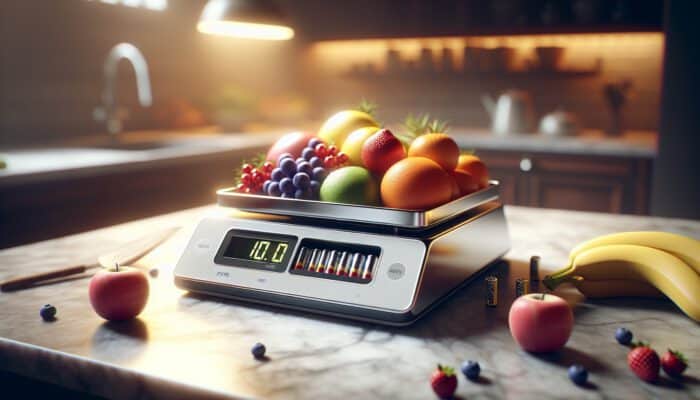
The performance of kitchen scales can be affected by several critical factors that users should be aware of to ensure consistent reliability. One significant factor is battery life; digital scales typically operate on batteries, and depleted batteries can lead to inaccurate readings. Regularly checking and replacing batteries as needed can help maintain optimal scale performance, allowing users to avoid unwelcome surprises during cooking sessions.
Another essential aspect is the surface stability where the scale is placed. Uneven or unstable surfaces can negatively impact measurement accuracy, resulting in erroneous readings that may compromise the integrity of the dish being prepared. For instance, placing a scale on a soft surface such as a kitchen towel may cause it to tilt, yielding incorrect weight measurements. To counter this issue, it is advisable to use scales on hard, flat surfaces for consistent, reliable results. Additionally, keeping the scale clean and free from spills or debris will enhance its longevity and reliability, ensuring that precise measurements are always at hand when needed.
Expert Guidance on Selecting the Optimal Kitchen Scales
What Essential Features Should You Prioritise in Kitchen Scales?
When evaluating kitchen scales, several essential features are recommended by culinary experts to ensure both quality and functionality. First and foremost, durability is vital; scales constructed from robust materials like stainless steel not only provide longevity but also resist wear and tear from daily use. A sturdy scale can endure the demands of a bustling kitchen environment, making it a smart investment for passionate cooks who value reliability in their tools.
Additionally, look for scales with clear displays that facilitate easy readability. This feature is particularly important when working with precise measurements, as a legible display reduces the risk of errors during cooking. Many modern scales are equipped with backlit screens, enhancing visibility in various lighting conditions, ensuring that users can read measurements accurately regardless of their environment. Furthermore, scales featuring a hold function allow users to capture stable readings, particularly beneficial when weighing bulky items that may obstruct the display and hinder the measuring process.
Lastly, a scale with an auto-off function conserves battery life by automatically shutting down after a period of inactivity. This feature not only saves energy but also minimises the need for frequent battery replacements, ensuring your scale is always ready for use when needed. By focusing on these crucial features, users can make informed choices when selecting a kitchen scale that meets their culinary requirements and enhances their cooking experience.
How to Choose the Ideal Kitchen Scale Based on Your Culinary Needs
Selecting the right kitchen scale involves understanding your specific cooking needs and preferences. For instance, enthusiastic bakers may benefit from scales that offer high precision, with measurements down to 0.1 grams, which is vital for achieving accuracy in baking ingredients. Conversely, home cooks who primarily prepare savoury dishes might prefer scales that measure in larger increments, focusing on ease of use rather than extreme precision in measurements.
Moreover, consider the scale’s capacity. Scales with higher weight limits can accommodate bulkier items, making them suitable for larger recipes or ingredient quantities. For example, a scale that can handle up to 5 kilograms is perfect for measuring substantial batches of dough or sauces, ensuring seamless cooking experiences. Additionally, think about portability; compact and lightweight models are ideal for those with limited kitchen space or who need a scale that can easily travel for cooking classes or camping trips, making them versatile additions to any culinary toolkit.
Finally, consider the design and aesthetic appeal of the scale. A scale that harmonises with your kitchen’s décor can enhance the overall experience, making it a delightful tool to utilise daily. By carefully evaluating these factors, users can select a kitchen scale that aligns with their unique culinary needs and preferences, ensuring satisfaction throughout their cooking journey.
Professional Suggestions for Maintaining Kitchen Scales
Proper maintenance of kitchen scales is vital for ensuring their longevity and consistent performance. One important tip from professionals is to establish a regular cleaning routine. Keeping the scale clean prevents residue build-up that can affect accuracy. Use a damp cloth to wipe the surface and avoid submerging the scale in water, especially if it incorporates electronic components. For stubborn stains, a mild detergent is suitable, but always refer to the manufacturer’s guidelines for specific cleaning instructions to avoid damaging the scale.
Another essential maintenance practice is calibration. Regularly calibrating your scale ensures accurate readings over time. Many scales come with calibration weights; follow the manufacturer’s instructions for proper calibration procedures. Performing calibration after significant temperature changes or if the scale has been moved can also assist in maintaining optimal performance and reliability in measurements.
Lastly, be mindful of storage and handling. Storing scales in a secure location, away from heavy objects or moisture, will protect them from potential damage. When not in use, consider placing a protective cover over the scale to shield it from dust and spills. By implementing these straightforward maintenance strategies, users can extend the life of their kitchen scales and ensure they remain reliable tools in their culinary repertoire, ultimately enhancing their cooking efficiency.
What Features Enhance Precision in Kitchen Scales?
How Does Digital Technology Improve Measurement Accuracy?
Digital technology has transformed the accuracy of kitchen scales, providing users with unparalleled precision in their measurements. One notable advancement is the incorporation of high-quality sensors, which deliver real-time weight readings with exceptional accuracy. Unlike traditional mechanical scales, digital scales can detect even the slightest changes in weight, making them ideal for precise recipe execution. For example, when weighing delicate ingredients, such as spices or powdered sugar, even a minor discrepancy can lead to significant variations in flavour. Digital scales help eliminate these inconsistencies, ensuring reliability in the kitchen.
Moreover, digital displays frequently feature advanced functionalities that enhance usability, such as backlighting, which improves visibility in various lighting conditions. This feature is particularly beneficial for home cooks who may find themselves measuring in dim environments, as it ensures readings can be seen clearly. Additionally, many digital scales come equipped with a tare function, allowing users to reset the weight of containers, ensuring that only the ingredient weight is measured. This convenience not only streamlines the measuring process but also boosts accuracy by eliminating the need for complex calculations.
Finally, digital scales often include memory functions, enabling users to save frequently used measurements for quick reference. This feature is especially valuable in busy kitchens, where speed and efficiency are paramount. By leveraging these advancements in digital technology, cooks can achieve greater accuracy, ensuring that every recipe is executed to perfection, ultimately enhancing their culinary experience.
Assessing Materials and Build Quality for Kitchen Scales
The materials and build quality of kitchen scales play a pivotal role in determining their performance and longevity. Scales made from high-grade materials such as stainless steel or tempered glass not only enhance durability but also resist scratches, stains, and corrosion. This robust construction is particularly important for scales that endure heavy daily use, ensuring they remain reliable and accurate over time, even in the busiest of kitchens.
Another critical factor to consider is the weight distribution and design of the scale. A well-designed scale should feature a stable base to prevent tipping during use. Scales equipped with non-slip feet provide added stability, ensuring accuracy when measuring various ingredients. Furthermore, consider the scale’s size and shape; a compact design can be advantageous for those with limited storage space, while larger platforms may be necessary for weighing bulkier items efficiently.
Investing in a scale constructed with quality materials and superior build can lead to improved performance, as it minimises the likelihood of inaccuracies resulting from wear and tear. By paying attention to these factors, users can select kitchen scales that uphold precision and reliability for years to come, enhancing their culinary adventures.
Additional Functions That Enhance Usability in Kitchen Scales
Modern kitchen scales are equipped with a variety of additional functions that enhance usability and support precise measurements. These features not only facilitate cooking but also cater to various culinary needs. Some of the key enhancements include:
- Tare function: This allows users to reset the weight to zero after placing a container on the scale, simplifying the measuring process and ensuring accurate ingredient weights.
- Multiple unit conversions: Many scales can display weight in various units, such as grams, ounces, and pounds, making them versatile across different recipes and cooking styles.
- Built-in timers: Some advanced scales feature timers to help users keep track of cooking or baking times, ensuring everything runs smoothly and efficiently.
- Smart app integration: Certain digital scales connect to mobile apps, allowing users to track nutritional information and plan meals more effectively, enhancing overall kitchen management.
- Hold function: This feature retains the last measurement on display, which is especially useful when measuring large items that obstruct the reading, ensuring accuracy and convenience.
- Backlit display: A backlit screen improves visibility in various lighting conditions, making it easier to read measurements accurately, regardless of the environment.
- Auto shut-off: This function conserves battery life by turning off the scale after a period of inactivity, ensuring it’s ready for the next use without frequent recharging.
- Waterproof designs: Some scales are designed to resist moisture, making cleaning and maintenance easier in a busy kitchen, enhancing their longevity and usability.
By incorporating these additional functions, users can enjoy greater convenience and precision in their cooking, enabling them to tackle various culinary tasks with confidence and ease, ultimately improving their overall cooking experience.
Research-Driven Benefits of Using Kitchen Scales
What Health Advantages Are Associated with Accurate Measuring?
Utilising precise kitchen scales offers numerous health benefits, making them indispensable tools for individuals focused on maintaining balanced diets. One of the most significant advantages is the ability to achieve portion control. Accurately weighing ingredients aids in managing caloric intake, ensuring that meals align with dietary guidelines and health objectives. For example, when preparing meals, measuring can help individuals adhere to recommended protein portions, reducing the risk of overeating and promoting healthy weight management.
Moreover, precise measurements play a direct role in achieving nutritional balance. By using scales to weigh ingredients, cooks can ensure they are including the right proportions of fruits, vegetables, proteins, and grains in their meals. This careful attention to detail not only supports physical health but also fosters a mindful approach to eating. Additionally, weighing ingredients is particularly beneficial for baking, where precise quantities are essential for achieving the desired texture and flavour. This focus on accuracy contributes to overall wellness by promoting healthier eating habits and reducing the likelihood of dietary imbalances in daily nutrition.
The Long-Term Value of Incorporating Kitchen Scales in Cooking Practices
Integrating kitchen scales into daily cooking routines can yield long-term value, enhancing both efficiency and sustainability. By adopting a practice of weighing ingredients rather than relying on volumetric measurements, cooks can improve accuracy and consistency in their culinary creations. For instance, when preparing a favourite recipe multiple times, precise measurements allow for dependable results, reducing frustration and waste. This practice fosters a more enjoyable cooking experience, as successful outcomes boost confidence and creativity in the kitchen, encouraging culinary exploration.
Furthermore, using kitchen scales can significantly reduce food waste over time. By accurately measuring ingredients, cooks can prepare only what is necessary, minimising the chances of overproduction and spoilage. Additionally, precise measurements facilitate better meal planning, supporting strategies to use leftovers effectively and avoid unnecessary purchases. This economical approach benefits individual households and contributes to broader sustainability efforts by reducing the overall environmental impact of food waste, encouraging responsible consumption in the kitchen.
How Does Precision Impact Recipe Success?
Achieving success in recipes hinges on the importance of precision in measuring ingredients. From the flour-to-water ratio in bread-making to the exact amount of sugar in desserts, each component contributes to the overall outcome. Precise measurements are particularly critical in baking, where even minor discrepancies can lead to significant variations in texture and flavour. For example, insufficient flour can result in dense, unrisen cakes, while too much sugar can create overly sweet or sticky products that fail to meet expectations.
Moreover, precision in measuring ingredients contributes to the replicability of successful recipes. When cooks accurately weigh components, they can reproduce their favourite dishes with confidence, ensuring consistency in flavour and presentation. This reliability fosters culinary exploration, enabling cooks to experiment with new ingredients while maintaining the integrity of the original recipe. By recognising the vital role of precision in recipe success, users can elevate their cooking and baking adventures to new heights, ultimately enhancing their culinary skills.
The Environmental Benefits and Sustainable Practices Linked to Kitchen Scales
Utilising kitchen scales for precise measurements significantly contributes to reducing food waste, aligning with sustainable practices in home cooking. By weighing ingredients accurately, cooks can avoid over-preparing meals, minimising the likelihood of unnecessary leftovers that may go uneaten. This conscientious approach to ingredient management not only benefits individual households but also supports broader environmental sustainability efforts by decreasing the overall waste generated in food production and consumption.
Additionally, precise measurements allow cooks to maximise resource use, promoting efficient ingredient consumption. For instance, when preparing meals, weighing can enable users to measure only necessary quantities, leading to less spoilage and wastage. This practice fosters eco-friendly habits that extend beyond the kitchen, encouraging a mindful approach to consumption and waste reduction that aligns with sustainable living principles.
Furthermore, adopting a habit of using kitchen scales can raise awareness of ingredient sourcing and quality. Cooks who measure their ingredients precisely are more likely to consider the origins of their food, making informed choices that support sustainable agriculture and ethical sourcing practices. By integrating precise measuring practices, home cooks can significantly reduce their environmental footprint and contribute to a more sustainable future, enhancing their cooking experience while supporting global health.
Expert Tips for Choosing the Best Kitchen Scales
What Affordable Options Offer Good Accuracy in Kitchen Scales?
Finding a kitchen scale that balances affordability and accuracy is essential for home cooks seeking reliable tools. Numerous budget-friendly scales deliver dependable performance without straining your finances, ensuring users can enjoy the benefits of precise measurements. One such option is the mechanical kitchen scale, which, while simpler in design, can offer decent accuracy for everyday cooking tasks. These scales often come at a lower price point, making them accessible and practical for casual cooks who may not require advanced features.
For those seeking digital alternatives, many entry-level digital scales maintain accuracy while remaining cost-effective. Look for models with a measurement accuracy of 1 gram, which can handle most home cooking needs without significant investment. Brands like Ozeri and Etekcity provide affordable options featuring user-friendly interfaces and essential functionalities like tare functions and unit conversions, making them ideal choices for general users who value simplicity and functionality.
Additionally, consider purchasing scales during sales or promotional events, as many retailers offer discounts on kitchen appliances, including scales. By selecting budget-friendly options that still deliver good accuracy and functionality, home cooks can enhance their culinary experiences without financial strain, allowing for more creativity and success in their kitchen endeavours.
Essential User-Friendly Design Features to Consider
Selecting a user-friendly kitchen scale can significantly enhance the cooking experience. When evaluating designs, consider the following ergonomic aspects that contribute to ease of operation and efficiency:
- Compact size: Scales that are small and lightweight make storage easy and are ideal for limited kitchen space, ensuring they are always accessible.
- Intuitive interface: Look for scales with simple buttons and clear displays that facilitate straightforward operation, even for novice cooks who may not be familiar with complex tools.
- Easy-to-clean surfaces: Non-porous materials like stainless steel or tempered glass ensure that spills can be wiped away quickly, maintaining hygiene and cleanliness in the kitchen.
- Stable bases: A well-designed scale with non-slip feet prevents movement during use, ensuring accurate readings and reducing the chances of errors.
- Lightweight construction: Scales that are easy to lift and manoeuvre can be beneficial for users who may need to store them away after use, enhancing convenience.
- Portability: Features like built-in handles or slim profiles facilitate easy transport for cooking classes or outdoor cooking, making them versatile tools for culinary enthusiasts.
By focusing on these user-friendly designs, cooks can select kitchen scales that enhance their culinary experiences, streamline the measuring process, and ultimately contribute to greater success in the kitchen.
Customising Kitchen Scales for Specific Culinary Uses
Customising kitchen scales to suit specific uses can enhance their versatility and effectiveness in everyday cooking tasks. One way to achieve this is by selecting scales with waterproof features, which can be advantageous in busy kitchens where spills are common. These scales are easy to clean and maintain, providing additional peace of mind when measuring ingredients that may create a mess, ensuring they remain functional and reliable.
Another customisation option is choosing scales with interchangeable bowl attachments. Many models allow users to swap out mixing bowls or containers, accommodating various tasks, from baking to meal prep. This flexibility ensures that the scale remains functional for a range of culinary applications, adapting to the user’s evolving needs as their cooking style develops.
It’s also worth considering scales that offer specialised modes for particular tasks, such as separate settings for baking or portion control. This functionality can streamline the cooking process, providing tailored measurements that enhance user experience and help achieve precise outcomes. By customising kitchen scales for specific uses, home cooks can maximise their efficiency and effectiveness in the kitchen, ensuring successful culinary creations every time.
Maintenance and Care for Kitchen Scales to Ensure Longevity
Proper maintenance and care are essential for keeping kitchen scales in top condition and ensuring accurate measurements over time. Regular calibration is crucial; depending on the scale model, users should calibrate their devices periodically to maintain precision. This process typically involves using calibration weights and closely following the manufacturer’s instructions for best results.
Cleaning is another vital aspect of scale maintenance. Users should establish a routine for wiping down the scale after each use to prevent residue build-up that can interfere with readings. A soft, damp cloth can effectively remove stains without damaging the surface or electronic components. Avoid using harsh chemicals, as they may corrode the scale’s finish, compromising its longevity and performance in the kitchen.
Moreover, careful handling and storage can protect scales from damage. When not in use, store them in a safe, dry location, away from heavy objects or moist environments that could lead to deterioration. Some scales come with protective covers, which can be a valuable addition to preserve their condition and readiness for use. By implementing these maintenance tips, users can ensure their kitchen scales remain reliable tools for precise measurements in daily cooking tasks, ultimately enhancing their culinary capabilities.
Advanced Features for Enhanced Functionality in Kitchen Scales
Modern kitchen scales come equipped with a variety of advanced features that significantly enhance their functionality and usability. One prominent feature is the digital display, which provides clear readings and often includes backlighting for improved visibility in various lighting conditions. This enhancement is particularly useful in low-light environments, ensuring users can read measurements accurately regardless of their surroundings.
Another beneficial feature is the tare button, which allows users to reset the scale to zero after placing a container on it. This function simplifies the measuring process and ensures that only the weight of the ingredient is recorded, eliminating the need for complex calculations that could lead to inaccuracies.
Moreover, advanced scales may offer smart technology integration, enabling users to connect their scales to mobile apps for tracking nutritional information or logging measurements more effectively. This feature caters to health-conscious individuals looking to monitor their dietary intake accurately. Additionally, scales that include multiple unit conversions provide flexibility in measuring ingredients, making them versatile tools for diverse culinary applications and ensuring seamless recipe adaptations.
Finally, built-in timers and measurement hold functions are valuable enhancements that contribute to a more streamlined cooking experience. These features enable users to multitask efficiently, ensuring they can focus on preparing meals without missing vital timing or measurement details. By considering these advanced functionalities, users can choose kitchen scales that align with their specific culinary needs and lifestyle preferences, ultimately enhancing their cooking adventures.
Why Are Accurate Measurements Essential in Cooking?
How Do They Influence Baking Outcomes?
Accurate measurements are vital in baking, as they directly impact the success of the final product. The chemistry of baking relies on specific ratios and quantities; ingredients must interact in precise ways to achieve the desired rise, texture, and flavour. For instance, the correct amount of baking powder or yeast is essential for leavening; too little can result in dense baked goods, while too much can cause overflow during baking, leading to a mess and waste.
Moreover, precise measurements ensure consistency across multiple batches of the same recipe. When bakers measure their ingredients accurately, they can replicate their success time and again, whether making a loaf of bread or a delicate soufflé. The ability to achieve reliable outcomes fosters confidence and encourages experimentation in the kitchen. Thus, understanding the essential role of precision in baking equips cooks with the tools to create consistently delicious treats, enhancing their culinary skills and enjoyment.
The Effect of Precision on Ingredient Consistency
Ingredient consistency is crucial for achieving reliable and repeatable results in cooking and baking. Precise measurements help eliminate variability in recipes, ensuring that each component contributes to the overall flavour and texture as intended. For example, if a cook consistently measures flour inaccurately, variations in moisture content can lead to unpredictably dense or dry baked goods that fail to meet expectations.
Furthermore, using precise scales reduces the likelihood of errors during the mixing process. When ingredients are weighed accurately, cooks can ensure that they achieve the proper emulsification or incorporation, which is critical for creating a well-balanced dish. For example, in baking, accurate measurements of fats and liquids are necessary for forming a proper dough structure. By minimising discrepancies in ingredient consistency, cooks can create dishes that are both delicious and dependable, leading to greater satisfaction in their culinary endeavours.
Avoiding Common Mistakes When Using Kitchen Scales
When using kitchen scales, several common pitfalls can lead to inaccurate measurements and unsatisfactory results. One significant error is improper placement of the scale. Placing a scale on an unstable or uneven surface can yield incorrect readings, resulting in poor outcomes in cooking and baking. Always ensure the scale is situated on a flat, stable surface for accurate measurements, enhancing reliability during the cooking process.
Another frequent mistake is neglecting to use the tare function. Failing to zero out the weight of containers can lead to inaccurate ingredient measurements, ultimately compromising the recipe’s integrity and flavour. Make it a habit to press the tare button before adding ingredients to ensure that only the component weight is recorded, allowing for more precise culinary creations.
Lastly, be cautious of batter or dough sticking to the scale’s surface. If you’re not using a bowl or container to weigh ingredients, some may cling to the scale, leading to inaccuracies and wasted ingredients. By being aware of these common pitfalls, cooks can adopt better habits and maintain precision in their culinary adventures, creating successful dishes every time.
How Precision Affects Recipe Adaptation?
Accurate measurements are essential for effective recipe adaptation, especially when adjusting portion sizes. When cooks scale down or up a recipe, preserving the integrity of flavours and textures hinges on precise adjustments. For example, if a recipe calls for 500 grams of flour and is scaled down to a quarter, the adjustment must be made precisely to 125 grams to achieve the same results. Any deviation may result in a dish that lacks the intended characteristics and flavours, leading to disappointment.
Additionally, when altering ingredient types – such as substituting regular flour for gluten-free options – precise measurements become even more critical. Each type of flour behaves differently, and inaccuracies in measuring can lead to disappointing outcomes that may deter further experimentation. By employing precise measurements, cooks can ensure that their adaptations retain the desired flavours and textures, ultimately succeeding in their culinary ventures and expanding their repertoire.
The Significance of Precision in Nutritional Accuracy
Exact measurements are paramount for achieving nutritional accuracy, particularly for health-conscious individuals. By using kitchen scales to weigh ingredients, cooks can accurately control portions and better manage their dietary intake. This level of precision allows individuals to adhere to specific dietary guidelines, whether for weight loss, maintenance, or overall health, ensuring balanced nutrition.
For instance, when preparing meals that require strict calorie counts, precise measurements ensure that users stay within their limits while also achieving balanced nutrition. This practice is particularly beneficial for individuals with dietary restrictions, as measuring ingredients accurately helps prevent overconsumption of allergens or unwanted substances. By emphasising the significance of precision in nutritional accuracy, users can make informed choices that support their health and wellness goals, enhancing their overall quality of life.
Maintaining Accuracy Over Time with Kitchen Scales
Regular Calibration Techniques for Kitchen Scales
Regular calibration of kitchen scales is vital for maintaining accurate measurements over time. A straightforward method involves using known weights to verify the scale’s accuracy. Most kitchen scales come with calibration weights, or users can purchase a set. Begin by placing the calibration weight on the scale and observing the reading. If it does not match the actual weight, adjustments need to be made according to the manufacturer’s instructions to restore accuracy.
Additionally, it’s advisable to calibrate the scale after significant temperature changes, such as bringing it in from a cold environment. Extreme temperature shifts can affect the scale’s performance and accuracy. Regular calibration ensures that users can trust their measurements, ultimately leading to better culinary outcomes and more enjoyable cooking experiences.
Best Practices for Storing and Handling Kitchen Scales
Proper storage and handling of kitchen scales are essential for preserving their accuracy and longevity. When not in use, store scales in a dry, secure location, away from heavy objects that might cause damage. If the scale has a protective cover, use it to shield the device from dust and spills, which can impact its performance over time.
Additionally, avoid exposing scales to excessive moisture or temperature fluctuations, as these factors can compromise the internal components and lead to inaccuracies. When handling the scale, be gentle to prevent dropping or jarring it, which can lead to misalignment or damage. By following these best practices for storage and handling, users can ensure their kitchen scales remain reliable for precise measurements over time, enhancing their culinary capabilities and overall cooking experience.
When to Consider Upgrading Your Kitchen Scale for Continued Accuracy
Knowing when to upgrade kitchen scales is essential for maintaining reliable performance in the kitchen. Signs that indicate an upgrade may be necessary include inconsistent measurements or failure to calibrate properly. If a scale frequently requires recalibration or does not provide accurate readings, it may be time to invest in a new model that ensures precision and reliability.
When upgrading, consider seeking out models with the latest technology, such as smart features or advanced sensors that enhance precision in measurements. Additionally, look for scales that offer improved durability and user-friendly designs, ensuring they meet the evolving needs of the kitchen. By recognising when to upgrade and selecting high-quality scales, users can maintain reliable accuracy for their culinary endeavours, ultimately enhancing their cooking adventures.
Frequently Asked Questions Regarding Kitchen Scales
What Are the Best Kitchen Scales for Baking?
The best kitchen scales for baking are those that offer high precision, ideally with measurements down to 0.1 grams, and features like tare functions and clear displays to ensure accuracy and ease of use in recipe preparation.
Can I Use a Kitchen Scale for Other Purposes?
Yes, kitchen scales can serve various purposes, including weighing ingredients for meal prep, portion control for diet plans, and even measuring items for shipping or packaging needs, making them versatile tools in the kitchen.
How Do I Clean My Kitchen Scale?
To clean your kitchen scale, use a damp cloth to wipe the surface, and avoid submerging it in water. For stubborn stains, a mild detergent can be used, but always refer to the manufacturer’s instructions for specific cleaning guidelines.
Do I Need to Calibrate My Kitchen Scale Regularly?
Yes, regular calibration is essential to maintain accuracy, especially after significant temperature changes or if the scale has been moved. Calibration ensures that the scale provides reliable readings over time, enhancing user confidence.
Are Digital Scales Better Than Mechanical Scales?
Digital scales generally provide greater accuracy and convenience, with features like tare functions and the ability to switch between measurement units. However, mechanical scales tend to be more durable and do not require batteries, making them suitable for specific uses.
What Features Should I Look for in a Kitchen Scale?
Look for features like a tare function, clear display, multiple unit conversions, and durability. Advanced options such as smartphone integration or built-in timers can also enhance usability and convenience in the kitchen.
Can Kitchen Scales Help with Portion Control?
Yes, kitchen scales are excellent tools for portion control, enabling users to measure ingredients accurately, which is essential for managing calorie intake and adhering to dietary guidelines effectively.
What’s the Difference Between Grams and Ounces?
Grams and ounces are both units of weight measurement, with 1 ounce equal to approximately 28.35 grams. Understanding the difference is important for following recipes that use different measurement systems, ensuring accuracy in cooking.
How Do I Know When to Replace My Kitchen Scale?
Signs that a kitchen scale should be replaced include frequent inaccuracies, difficulty calibrating, or physical damage. If the scale no longer provides reliable readings, it’s time for an upgrade to maintain precision in cooking.
Can Kitchen Scales Reduce Food Waste?
Yes, using kitchen scales can help reduce food waste by allowing for accurate measurements, preventing over-preparation, and ensuring that ingredients are used efficiently in recipes, contributing to responsible cooking practices.
Join Us on Facebook for More Culinary Insights!
The post Top Kitchen Scales for Precise Measurements: Best Options appeared first on https://cookinggods.com
The Article Best Kitchen Scales for Accurate Measurements: Top Picks Was Found On https://limitsofstrategy.com