Discover the Essential Benefits of Incorporating Gut-Friendly Fermented Foods into Your Diet
What Unique and Varied Types of Fermented Foods Can You Explore?
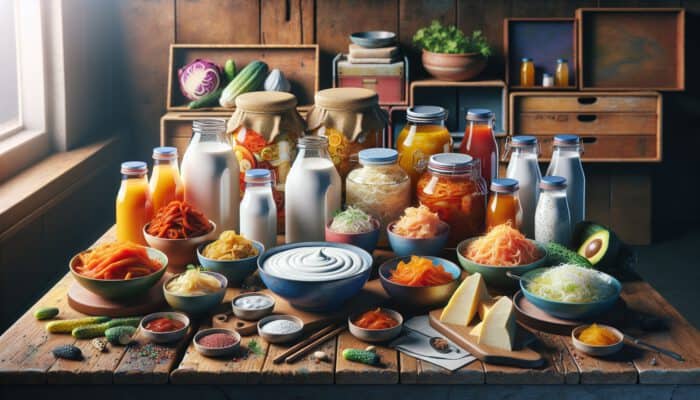
Dive into the realm of the most trending and nutritious fermented food recipes that have gained immense popularity due to their remarkable health advantages, particularly in boosting gut health. A diverse selection of fermented foods, including yoghurt, kimchi, kefir, sauerkraut, and miso, are pivotal for enhancing digestion and promoting overall wellness. These foods are teeming with beneficial bacteria, widely known as probiotics, which are essential for nurturing a balanced microbiome and improving overall health. Each type of fermented food comes with its own unique flavours and health benefits, making them versatile ingredients across various culinary traditions all over the globe. For instance, kimchi, a staple in Korean cuisine, is rich in vitamins and can be relished in multiple dishes or enjoyed as a healthy snack. Similarly, sauerkraut, often associated with German cuisine, adds a zesty crunch that not only enhances meals but also supports gut health.
What Essential Ingredients Do You Need to Prepare Fermented Recipes?
To embark on an exciting culinary journey of creating gut-healthy fermented recipes, it is vital to gather a selection of necessary ingredients that facilitate the fermentation process. These components not only encourage the proliferation of probiotics but also ensure that the end product is both nutritious and flavourful. Key ingredients to consider include:
- Fresh vegetables such as cabbage, carrots, and radishes
- Fruits including apples and berries
- Fermentation cultures (either commercially available or homemade)
- Salt (non-iodised, such as sea salt or kosher salt)
- Sugar (for particular recipes, to assist in fermentation)
- Water (filtered or distilled to ensure purity)
- Herbs and spices for enhanced flavour
- Milk (for dairy-based ferments like yoghurt and kefir)
These carefully selected ingredients create an ideal environment for beneficial bacteria to flourish, resulting in delicious and health-promoting foods that can remarkably transform your diet and enhance your gut health.
How Can You Effectively Store Your Fermented Foods?
Implementing proper storage techniques is crucial for maintaining the nutritional integrity and probiotic content of your fermented foods. When stored accurately, these foods retain their health benefits and delightful flavours, allowing you to enjoy them for an extended duration. To achieve optimal storage conditions, adhere to these essential guidelines:
– Store fermented foods in cool, dark areas such as a pantry or refrigerator.
– Utilise airtight containers, preferably glass jars, to prevent exposure to air, which could cause spoilage.
– For increased shelf life, ensure the products are submerged in their brine or liquid.
– Regularly check for any indications of spoilage, such as unpleasant odours or changes in texture.
By following these practices, you can safeguard the quality of your fermented creations, enabling you to enjoy the multitude of gut health benefits they offer.
How Do Fermented Foods Contribute to Digestive Health?
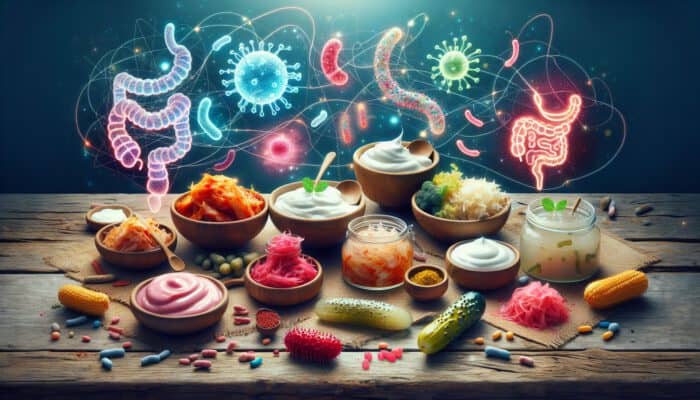
What Function Do Probiotics Serve in Enhancing Gut Health?
Probiotics, the live bacteria found in fermented foods, are integral to maintaining optimal gut health. They facilitate digestion by introducing beneficial bacteria into the gastrointestinal tract, helping to effectively break down food. This improved digestion not only enhances nutrient absorption but also reduces gut inflammation. When our gut flora is well-balanced, we experience fewer digestive issues, such as bloating and discomfort. Additionally, these probiotics strengthen the immune system by competing with harmful bacteria and pathogens, adding an extra layer of protection for overall health. Regularly incorporating fermented foods into your diet promotes this balance, leading to sustained digestive wellness and vitality.
What Daily Advantages Can You Expect from Including Fermented Foods in Your Diet?
Integrating fermented foods into your daily routine can provide numerous benefits that significantly enhance your overall health. One of the most immediate advantages is improved digestive regularity, as these foods support a healthy gut microbiome. You may observe a marked reduction in bloating and discomfort, which can greatly boost your daily energy levels. Furthermore, the diverse range of probiotics present in fermented foods encourages microbial diversity, essential for optimal gut function. As your gut health improves, you might experience increased vitality and better nutrient absorption, positively influencing both your mental and physical well-being. Embracing these foods in your diet is a straightforward yet effective approach to cultivating a healthier lifestyle, ultimately elevating your quality of life.
What Indicators Suggest That Your Gut Function is Improving?

Enhanced gut function can be observed through various signs, and recognising these indicators can inspire your continued journey with fermented foods. One of the most noticeable signs is a reduction in bloating and gas, common complaints associated with digestive discomfort. As your gut adjusts and balances its microbial population, you may also experience increased energy levels throughout the day, as efficient digestion ensures better nutrient absorption. Other signs of improved gut function include regular bowel movements and a decrease in digestive issues such as constipation or diarrhoea. As your gut health progresses, you might enjoy an overall sense of well-being, leading to a more vibrant and active lifestyle that is both rewarding and enjoyable.
What Types of Fermented Foods Are Most Effective for Enhancing Digestion?
A variety of fermented foods can significantly boost digestion, each offering a unique set of benefits. Yoghurt is perhaps the most recognised, lauded for its probiotics that help break down lactose, thus improving lactose tolerance for many individuals. Kimchi, a spicy fermented vegetable dish, not only delivers probiotics but is also loaded with vitamins and antioxidants, making it a nutrient-dense choice for enhancing gut health. Kefir, a fermented milk beverage, is similarly beneficial, containing a broader spectrum of probiotics than yoghurt, thus enriching gut flora diversity. Sauerkraut and miso also support digestion due to their high probiotic content, establishing them as excellent options for promoting overall gut health. Each of these foods contributes to improved nutrient absorption and can alleviate common digestive issues, fostering a balanced gut environment that supports your well-being.
How Do Fermented Foods Improve Nutrient Absorption?
Fermented foods play a crucial role in enhancing nutrient absorption, primarily due to the actions of beneficial bacteria that decompose complex compounds during fermentation. This microbial activity transforms nutrients, making them more bioavailable, allowing your body to absorb and utilise them more efficiently. For example, fermenting whole grains can increase the availability of essential vitamins and minerals, helping to prevent deficiencies. Additionally, fermented foods can enhance metabolic efficiency by aiding in the digestion of proteins and fats, contributing to sustained energy levels throughout the day. Over time, consistent consumption of these foods can strengthen digestive resilience, promoting overall well-being and vitality that positively impacts various facets of your life.
Professional Techniques for Creating Delicious Gut-Healthy Recipes
What Practical Steps Can Novices Take to Initiate Their Fermentation Journey?
For individuals stepping into the world of fermented foods, the initial process may feel daunting, but it can be tackled with simple, actionable steps. Start with straightforward recipes that gradually introduce fermented elements into your meals. For example, you might begin by making basic homemade yoghurt using only milk and a yoghurt starter culture. Heat the milk, allow it to cool, add the culture, and keep it warm for several hours. Another beginner-friendly option is <a href="https://limitsofstrategy.com/ferment-vegetables-like-a-pro-essential-tips-for-beginners/">fermented vegetables</a>, which you can create with any seasonal vegetable, salt, and a jar. Chop the vegetables, combine them with salt, pack them tightly into the jar, and let them ferment at room temperature. As you gain confidence, venture into flavourful options like kimchi, which involves an array of spices and can be tailored to your liking. These gradual steps will enhance your skills and understanding of fermentation, ultimately improving your gut health while enriching your culinary adventure.
What Nutritional Composition Should You Anticipate from Popular Fermented Recipes?
Grasping the nutritional profile of fermented foods is crucial for recognising their role in promoting gut health. For instance, a typical serving of homemade yoghurt offers a wealth of nutrients, including protein, calcium, and B vitamins, along with probiotics essential for a balanced gut flora. Sauerkraut, crafted from fermented cabbage, is low in calories yet high in vitamins C and K, accompanied by beneficial bacteria that support digestion. Likewise, kimchi is a nutritional powerhouse, abundant in vitamins A, B, and C, as well as capsaicin from the spices used, which can further aid digestion and boost metabolism. Analysing these recipes reveals not only their probiotic content but also the vitamins and minerals that contribute to overall wellness, illustrating the comprehensive advantages of including fermented foods in your diet.
What Long-Term Health Benefits Are Associated with Regular Consumption of Fermented Foods?
The long-term incorporation of fermented foods can profoundly influence overall health, particularly concerning gut health and inflammation reduction. Regular consumption helps maintain a balanced microbiome, which has been linked to various health benefits, including a diminished risk of chronic diseases. Research indicates that consistent intake can prevent digestive issues and promote a stronger immune system by fostering a healthy gut environment. Additionally, the sustained presence of probiotics can help manage inflammation within the digestive tract, alleviating discomfort and contributing to an enhanced sense of well-being. Over time, integrating fermented foods into your daily routine can lead to lasting improvements in gut health and overall vitality, resulting in a more fulfilling and active lifestyle.
What Essential Characteristics Define a Gut-Healthy Recipe?
What Basic Fermentation Techniques Should You Learn and Perfect?
To create gut-healthy recipes, mastering essential fermentation techniques is crucial. These methods ensure that the final product is rich in probiotics and flavourful. Key techniques include:
- Utilising non-iodised salt to avoid inhibiting beneficial bacteria
- Maintaining clean equipment to prevent contamination
- Controlling temperature during fermentation to encourage bacterial growth
- Submerging vegetables in brine to create an anaerobic environment for optimal fermentation
- Using weights to keep vegetables submerged and prevent mould
- Tasting periodically to determine when the desired flavour is achieved
- Storing ferments in airtight containers for longevity
- Experimenting with fermentation time to develop the preferred sourness
By employing these techniques, you can maximise the probiotic content of your recipes while making them accessible and enjoyable for everyday consumption, ultimately enhancing your culinary skills and gut health.
How to Achieve an Ideal Balance of Flavours in Your Fermented Dishes?
Striking a balance of flavours is vital when crafting fermented dishes, as it enhances both enjoyment and adherence to a gut-healthy diet. Fermentation often brings out tangy, sour notes, so it is essential to harmonise them with complementary flavours to create a delightful dish. Incorporating natural sweetness from fruits or vegetables can offset acidity, while spices can add depth and complexity. For instance, in kimchi, the heat from chilli peppers complements the tanginess of fermented cabbage, rendering it more palatable. Similarly, sauerkraut can be enhanced with caraway seeds or juniper berries to introduce aromatic elements. Finding the right balance not only makes fermented dishes more enjoyable but also encourages regular consumption, which is essential for reaping the health benefits for your gut.
What Suggestions Can Help You Tailor Recipes to Your Preferences?
Customising recipes to suit your taste while maintaining probiotic integrity is an effective strategy for enjoying gut-healthy foods consistently. You can easily modify ingredients by swapping one vegetable for another in fermented vegetable recipes without compromising the fermentation process. For instance, alternating between cabbage and carrots in a fermented slaw allows for flavour variation while preserving the core components. Additionally, you can experiment with spices and herbs to introduce diverse flavours into your ferments. For example, adding garlic, ginger, or herbs such as dill in pickles can elevate the taste profile. Exploring various flavours keeps your meals exciting and ensures that you adhere to your gut-healthy lifestyle while venturing into new culinary dimensions.
How to Choose the Right Gut-Healthy Ingredients?
Selecting the appropriate ingredients is crucial for crafting gut-healthy recipes. Focus on whole foods that are abundant in probiotics and prebiotics, as these components work synergistically to foster a balanced microbiome. Key ingredients to consider include:
- Yoghurt and kefir for their live cultures
- Fermented vegetables, such as sauerkraut and kimchi, rich in diverse probiotics
- Whole grains that nurture the growth of beneficial bacteria
- Fruits, especially those high in pectin, such as apples, that aid in fermentation
- Legumes, which provide an excellent source of prebiotics
- Herbs and spices that enhance flavour and possess antioxidant properties
- Natural sweeteners that can promote fermentation
- Salt, which is essential for creating the right conditions for fermentation
By choosing these ingredients, you not only support a balanced microbiome but also provide essential nutrients that make preparing meals both beneficial and enjoyable, ultimately enhancing your culinary experience and health.
Research-Driven Benefits of Including Fermented Foods in Your Diet
What Expert Insights Reveal About the Effects of Probiotics?
The probiotics present in fermented foods have been the subject of extensive research, revealing significant impacts on gut health and overall well-being. Studies suggest that probiotics can help reduce gut inflammation, a common contributor to various digestive disorders. By introducing beneficial bacteria into the gut, these foods play a pivotal role in restoring balance, which can alleviate symptoms associated with conditions such as irritable bowel syndrome (IBS) and ulcerative colitis. Furthermore, probiotics enhance the gut’s ability to absorb nutrients and foster a healthier immune response. This evidence-based understanding underscores the importance of incorporating fermented foods into one’s diet, especially for those seeking to improve gut health and overall wellness.
What Research Highlights the Healing Properties of Fermented Foods?
A growing body of evidence supports the healing properties of fermented foods. Research indicates that these foods can help repair the intestinal lining, a crucial aspect of maintaining gut health. Enhanced microbial diversity resulting from regular consumption of fermented foods has been linked to improved digestive resilience, making it easier for the body to ward off harmful pathogens and inflammation. Studies have also shown that consuming fermented foods correlates with lower rates of gastrointestinal disorders, suggesting that these foods play a proactive role in gut healing. By including fermented foods in your diet, you not only promote healing but also cultivate a thriving gut environment conducive to overall health and well-being.
How Can You Effortlessly Incorporate Fermented Foods into Your Daily Meals?
Integrating fermented foods into your daily meals is vital for maximising their health benefits. There are numerous strategies for seamlessly adding these foods to your diet. Begin by including a dollop of yoghurt in smoothies or breakfast bowls for a probiotic boost. Use sauerkraut as a topping for sandwiches or salads, enhancing both flavour and health benefits. Kimchi can be mixed into stir-fries or enjoyed as a side dish, infusing vibrant flavours and nutrients into your meals. Additionally, consider creating sauces or dressings using fermented ingredients like miso, which adds depth to various dishes. By thoughtfully incorporating these foods into your meals, you can promote long-term gut health and enjoyment while improving the overall nutritional value of your diet.
Why Are Fermented Foods Indispensable for Your Health?
What Impact Do They Have on Immune Support?
Fermented foods are vital for health due to their robust immune-supporting properties. The gut plays a crucial role in the immune system, housing a significant portion of the body’s immune cells. By consuming fermented foods, you strengthen the gut microbiome, which in turn enhances immune function. These foods introduce beneficial bacteria that compete with pathogens, thereby reducing the likelihood of infections. Moreover, the short-chain fatty acids produced during fermentation assist in modulating immune responses, promoting a balanced defence against harmful invaders. Incorporating fermented foods into your diet can thus cultivate a more robust immune environment, contributing to overall health resilience and vitality.
What Common Misconceptions Exist About the Health Benefits of Fermented Foods?
Addressing health myths surrounding fermented foods clarifies their true value and promotes informed choices. Here are some prevalent misconceptions:
- Fermented foods are solely beneficial for gut health; they also enhance immunity and improve mental well-being.
- All fermented products contain alcohol; most have negligible amounts, especially when consumed in moderation.
- Only store-bought items offer health benefits; homemade ferments often provide higher probiotic counts.
- Fermentation is complex; many recipes are simple and require minimal ingredients.
- Fermented foods are calorie-dense; many are low-calorie options rich in nutrients.
- Fermentation destroys nutrients; it can enhance bioavailability and increase the availability of certain nutrients.
- Everyone should consume fermented foods; individual tolerance varies, and some may need to proceed with caution.
These clarifications help individuals better understand the role of fermented foods in their diets, promoting healthier choices and encouraging their incorporation into everyday meals.
How Do Fermented Foods Contribute to Mental Well-Being?
The relationship between fermented foods and mental well-being stems from the gut-brain axis, a complex communication network linking the gastrointestinal tract and the brain. Fermented foods influence this connection by fostering a healthy gut microbiome, which can affect mood and cognitive function. Probiotics present in these foods produce neurotransmitters, such as serotonin, which play a vital role in regulating mood and alleviating stress. By nurturing a balanced gut environment through regular consumption of fermented foods, individuals may experience improved mental clarity and reduced anxiety. Including fermented foods in your diet can thus support not only gut health but also mental well-being, leading to a more positive outlook on life.
Simple Fermented Recipes You Can Effortlessly Create at Home
What Are the Basic Steps for Crafting Your Own Yogurt?
Making yoghurt at home is a simple process that requires minimal ingredients and equipment. The basic technique involves heating milk to around 85°C to eliminate unwanted bacteria, then cooling it to approximately 43°C before introducing a yoghurt starter culture. This culture contains live bacteria essential for fermentation. Once mixed, the milk should be kept in a warm environment for about 4 to 12 hours, depending on your desired thickness and tanginess. After fermentation, refrigerate the yoghurt to stop the process and enhance its flavour. Homemade yoghurt not only supports gut health but also allows you to flavour it according to your preferences, creating a delicious and nutritious addition to your daily meals.
What Creative Options for Fermented Vegetables Can You Experiment With?
Fermented vegetables are an excellent way to incorporate probiotics into your diet, and preparing them at home is both easy and rewarding. Start with fresh seasonal vegetables such as carrots, cucumbers, or cabbage. The process typically involves chopping the vegetables, mixing them with non-iodised salt (approximately 2-3% of the vegetable weight), and packing them tightly into a clean jar. Ensure that the vegetables are submerged in their juices or brine, creating an anaerobic environment crucial for fermentation. Place the jar in a cool, dark location for several days to weeks, tasting periodically until the desired flavour is achieved. These vibrant and crunchy ferments serve as perfect side dishes or snacks, making them a delightful addition to any meal.
How to Make Sauerkraut Quickly and Efficiently?
Creating sauerkraut is a straightforward process that results in a tangy, probiotic-rich dish. Start by shredding the cabbage with a sharp knife or in a food processor, then place it in a large bowl. Add salt—approximately 2% of the cabbage’s weight—mixing it vigorously to release moisture. Once the cabbage softens, pack it tightly into a clean glass jar, ensuring it is fully submerged in its liquid to prevent mould growth. Seal the jar and leave it at room temperature for about one to four weeks, checking periodically for flavour and texture. Once satisfied with the taste, transfer the sauerkraut to the refrigerator to slow down fermentation. This vibrant dish not only complements meals but also supports gut health, making it an excellent homemade option worth trying.
Frequently Asked Questions (FAQs)
What Exactly Are Fermented Foods?
Fermented foods are products that have undergone a natural process of fermentation, where microorganisms such as bacteria, yeast, or mould convert sugars and starches into alcohol or organic acids. This process enhances the food’s flavour, extends its shelf life, and increases its health benefits.
How Do Fermented Foods Enhance Gut Health?
Fermented foods introduce beneficial probiotics into the digestive system, aiding in the balance of gut flora. This can improve digestion, enhance nutrient absorption, and may alleviate issues such as bloating or constipation.
Can Everyone Enjoy Fermented Foods?
While most individuals can relish fermented foods, some may experience sensitivities, particularly those with histamine intolerance or specific digestive disorders. It’s advisable to start with small quantities and consult a healthcare professional if uncertain about introducing these foods.
What Simple Fermented Foods Can You Easily Prepare at Home?
Simple fermented foods to make at home include yoghurt, sauerkraut, kimchi, and pickles. These options require minimal ingredients and can be customised to your taste preferences, making them accessible for anyone interested in enhancing their diet.
How Long Do Fermented Foods Typically Last?
The shelf life of fermented foods varies, but many can last for several months when stored properly in the refrigerator. Always check for signs of spoilage, such as off smells or unusual textures, to ensure safety and quality.
Are All Fermented Foods Rich in Probiotics?
Not all fermented foods are high in probiotics; their probiotic content varies based on the fermentation process and the bacterial strains employed. Generally, homemade ferments have higher probiotic counts than commercial products.
What Is the Best Way to Store Fermented Foods?
Store fermented foods in airtight containers in a cool, dark environment. For extended shelf life, refrigeration is recommended to slow down fermentation and preserve flavour and probiotic content, ensuring you can enjoy these foods at their best.
Can Fermented Foods Assist with Weight Loss?
Incorporating fermented foods into a balanced diet may support weight-loss efforts by improving digestion, promoting gut health, and enhancing satiety. However, they should complement a healthy lifestyle rather than serve as a singular solution for weight management.
Should I Take Probiotics If I Eat Fermented Foods?
Most individuals can obtain sufficient probiotics from fermented foods and may not require additional supplements. However, those with specific health concerns or conditions should consult a healthcare professional for personalised advice regarding their probiotic needs.
How Can I Know If I’m Receiving Enough Probiotics?
Signs of adequate probiotic intake include improved digestion, regular bowel movements, reduced bloating, and an overall sense of well-being. If you have specific health concerns, consider discussing your probiotic intake with a healthcare provider to ensure you meet your needs.
Join Our Facebook Community for More Insights!
The post Top Gut-Healthy Fermented Food Recipes: Boost Your Gut Health appeared first on https://cookinggods.com
The Article Gut-Healthy Fermented Food Recipes to Enhance Wellness Was Found On https://limitsofstrategy.com
The Article Gut-Healthy Recipes for Fermented Foods to Boost Wellness found first on https://electroquench.com