Comprehensive Guide to Coeliac Disease Testing
What is Coeliac Disease and How Does It Impact Your Health?
Private Coeliac Test in Nottingham: Coeliac disease represents a significant autoimmune condition that is increasingly prevalent throughout the UK. This disorder is characterised by an adverse reaction to gluten, a protein found in wheat, barley, and rye. When individuals with coeliac disease consume gluten, their immune systems mistakenly attack the lining of the small intestine, leading to inflammation and substantial damage. Such reactions can result in a variety of gastrointestinal and non-gastrointestinal symptoms that can severely diminish quality of life. Early testing for coeliac disease is crucial, as it facilitates necessary dietary changes and medical interventions, significantly alleviating distressing symptoms like diarrhoea, fatigue, and abdominal pain.
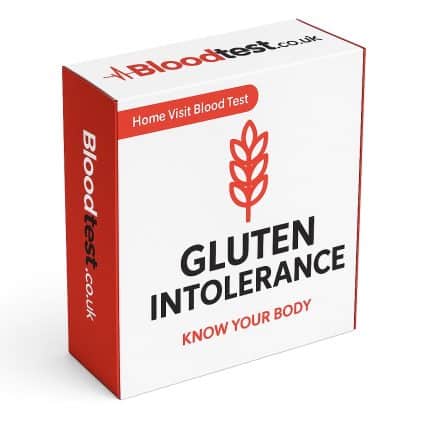

It is estimated that around 1% of the UK population is affected by this condition, underscoring the urgent need for heightened awareness and testing to promote early diagnosis and effective health management.
How Can You Identify Early Symptoms of Coeliac Disease?
Recognising the early symptoms of coeliac disease is essential for timely intervention and better health outcomes. In the UK, individuals may present with a range of symptoms, and being aware of these can prompt a swift consultation with a healthcare provider. Key indicators to watch for include:
- Unexplained weight loss
- Chronic abdominal pain
- Persistent diarrhoea
- Bloating and gas
- Fatigue and weakness
- Anaemia
- Skin rashes, such as dermatitis herpetiformis
- Delayed growth in children
Blood tests are a crucial diagnostic tool for coeliac disease, as they detect specific antibodies produced in response to gluten. Remaining vigilant about these symptoms and consulting a healthcare provider for testing is vital, as early detection can greatly improve health outcomes.
How Does the Coeliac Testing Procedure Function?
In the UK, the process for testing coeliac disease generally involves a two-step approach, comprising blood tests and, if required, biopsies. Initially, healthcare professionals will perform blood tests to identify specific antibodies, such as anti-tissue transglutaminase (anti-tTG) antibodies. Elevated levels of these antibodies may indicate a potential diagnosis of coeliac disease. To confirm this diagnosis, a biopsy of the small intestine might be necessary, often conducted during an endoscopy, to evaluate any damage to the intestinal lining. This comprehensive testing procedure is essential for accurately diagnosing coeliac disease and developing effective treatment plans, ensuring long-term health without unnecessary complications.
Explore Available Coeliac Testing Options in Nottingham
What Testing Services Are Offered in Nottingham for Coeliac Disease?
In Nottingham, there are various testing services available for individuals who suspect they may have coeliac disease. The primary tests include serological blood tests and endoscopies. Serological tests serve as the initial line of defence, specifically designed to detect antibodies linked to coeliac disease. If these tests suggest a potential diagnosis, an endoscopy may be recommended to allow for direct examination of the small intestine and collection of tissue samples for biopsy. These tailored testing options guarantee accurate results, and many services are accessible through the NHS, simplifying the process for patients to effectively manage their health.
How Can You Access Local Coeliac Testing Services in Nottingham?
For residents of Nottingham, obtaining local testing services for coeliac disease is a straightforward process. Most individuals typically begin their journey with a consultation at their local GP, who can provide referrals to specialised clinics in the area. This referral system is beneficial as it reduces wait times and ensures patients receive comprehensive support throughout the testing process. Local clinics are equipped with the necessary facilities and expertise to conduct both blood tests and endoscopies, making it convenient for patients to undergo the required procedures without excessive travel or delays. The focus on localised care promotes a smoother healthcare experience for those seeking diagnosis and management of coeliac disease.
How Should You Understand Your Test Results and Their Implications?
Once the testing process is complete, interpreting the results is a critical step in the diagnostic pathway for coeliac disease. In the UK, healthcare providers will evaluate the levels of specific antibodies, such as anti-tTG and anti-EMA, present in the blood serum. Elevated levels of these markers typically point to coeliac disease, prompting further assessment through biopsy results if necessary. After receiving the results, healthcare providers will discuss the findings with patients, guiding them on the next steps to confirm the diagnosis and plan subsequent management. This clear communication ensures that patients fully understand their health status and the necessary follow-up care to address any coeliac-related concerns.
Essential Preparations for Your Coeliac Disease Test
What Preparatory Steps Should You Undertake Before Testing?
Preparation for a coeliac test is a crucial step that can significantly impact the results. In the UK, individuals are recommended to maintain a normal diet that includes gluten prior to their blood tests. This is vital to prevent potential false negatives, which can hinder timely diagnosis and treatment. Consulting healthcare providers in Nottingham prior to testing can provide specific advice tailored to individual circumstances, alleviate concerns, and ensure a smooth process. Furthermore, understanding the testing procedure can help reduce anxiety, enabling patients to approach their tests with confidence and clarity.
Essential Steps to Ensure a Seamless Testing Experience
To facilitate a smooth testing experience, individuals should follow several vital steps. Firstly, scheduling an appointment with a local GP is crucial to initiate the testing process. Patients may also need to fast for certain tests, so clarifying any fasting requirements with healthcare providers is essential. Additionally, preparing a list of questions for the consultation can enhance the overall experience by enabling individuals to address any concerns, comprehend the implications of testing, and receive comprehensive guidance on managing coeliac disease effectively.
Common Pitfalls to Avoid During Coeliac Testing
In the UK, several common challenges can adversely affect the accuracy of coeliac testing. One significant issue is prematurely altering one’s diet, such as removing gluten before testing, which can distort results and lead to misdiagnosis. Patients in Nottingham should strictly adhere to the guidelines provided by healthcare professionals to ensure precise outcomes. Moreover, being aware of symptoms and how they may differ among individuals can help provide a clearer picture for healthcare providers, ultimately facilitating effective diagnoses and personalised treatment plans.
Mental Preparation and Support Resources Available
Mental preparation for a coeliac test is crucial for alleviating anxiety and ensuring individuals approach the process with confidence. In Nottingham, individuals can seek support from healthcare professionals who offer reassurance and guidance throughout the testing journey. Joining local support groups can also cultivate a sense of community, allowing individuals to share experiences and learn coping strategies. These resources not only aid in managing anxiety but also empower patients with knowledge, ensuring they are well-informed and ready for the testing process and any subsequent lifestyle adjustments.
Valuable Insights on Coeliac Testing in Nottingham
Actionable Steps for Effective Coeliac Testing
Real-world examples from Nottingham highlight the importance of prompt testing for coeliac disease and its beneficial impact on patient outcomes. For example, individuals who swiftly acted upon noticing symptoms and sought testing often reported significant improvements in their overall health after receiving a diagnosis and implementing necessary dietary changes. Scheduling appointments with local healthcare providers and adhering to preparation guidelines empower patients in Nottingham, enabling them to take control of their health. By understanding the process and being proactive, individuals can navigate testing effectively, ensuring they receive timely interventions and support.
Expert Recommendations for Managing Coeliac Disease
Expert analysis of UK testing protocols emphasises the critical importance of follow-up care in Nottingham. Following a diagnosis, patients should engage in regular check-ups to monitor their health, particularly concerning potential complications associated with coeliac disease. Experts advise that individuals maintain open lines of communication with their healthcare providers to accurately interpret test results and adjust treatment plans as necessary. Implementing a structured follow-up routine is vital for optimal health benefits, ensuring that patients can effectively manage their condition and sustain a high quality of life.
Advantages of Professional Guidance in Coeliac Management
The facilities in Nottingham enhance testing accuracy through their specialised staff and cutting-edge technology. Expert insights suggest that local clinics are well-equipped to provide tailored advice based on the latest research and best practices in coeliac management. This local expertise not only improves diagnostic precision but also aids patients in understanding the implications of their test results, leading to more effective long-term disease control. Through personalised care and continuous support, healthcare professionals in Nottingham play a pivotal role in the successful management of coeliac disease.
What Symptoms Should You Be Aware Of?
How Can You Identify Symptoms of Coeliac Disease?
In the UK, individuals should remain vigilant for the common symptoms associated with coeliac disease, as early identification can lead to timely testing and intervention. Symptoms can vary widely but often include bloating, abdominal pain, and unexplained weight loss. Awareness campaigns throughout the UK have aimed to educate the public on these signs, encouraging individuals to seek testing in Nottingham when symptoms arise. Recognising early indicators is vital not only for personal health but also for promoting broader awareness of coeliac disease within the community.
How Can You Recognise Early Indicators of Coeliac Disease?
Identifying subtle signs of coeliac disease is crucial for early diagnosis. Symptoms such as fatigue can often be overlooked or misattributed to other conditions, making it essential for individuals to closely monitor their health. Key warning signs to consider include:
- Chronic fatigue or weakness
- Unexplained abdominal discomfort
- Frequent digestive issues, such as bloating
- Any sudden changes in weight
- Persistent skin rashes
- Difficulty concentrating or experiencing brain fog
By being vigilant about these symptoms, individuals can better advocate for their health and seek the necessary professional assistance in Nottingham when concerns arise.
How Do Coeliac Disease Symptoms Relate to Other Conditions?
Symptoms of coeliac disease frequently overlap with those of other gastrointestinal disorders, particularly irritable bowel syndrome (IBS). This overlap can complicate the diagnostic process, highlighting the necessity for accurate testing in Nottingham. Distinguishing between these conditions requires skilled healthcare providers who can conduct a thorough evaluation of symptoms. Misdiagnosis can lead to inappropriate treatment pathways, emphasising the importance of thorough testing and expert guidance in achieving an accurate diagnosis of coeliac disease and effective management strategies.
Research-Supported Benefits of Coeliac Testing in Nottingham
What Are the Advantages of Early Detection of Coeliac Disease?
Research conducted in the UK has highlighted the significant benefits associated with the early detection of coeliac disease. For instance, timely testing in Nottingham has been shown to enhance nutrient absorption and reduce the risks associated with malnutrition. Individuals diagnosed at an earlier stage generally report improved overall health outcomes, such as increased energy levels and enhanced gastrointestinal function. Evidence from local studies suggests that prompt intervention can lead to substantial improvements in quality of life, underscoring the critical role of early testing in the effective management of coeliac disease.
Long-Term Health Benefits Linked to Early Diagnosis
Longitudinal research in the UK indicates that individuals diagnosed with coeliac disease through early testing experience sustained long-term health benefits. Data reveals that those who adhere to a strict gluten-free diet post-diagnosis enjoy significant improvements in energy levels, digestive health, and overall well-being. Regular follow-ups and nutritional advice from local experts in Nottingham further support these positive outcomes, ensuring patients maintain their health and prevent potential complications associated with coeliac disease.
What Evidence Supports the Importance of Coeliac Disease Testing?
Research based in the UK has demonstrated the advantages of testing facilities in Nottingham in preventing complications associated with coeliac disease, including osteoporosis and malignancies. Findings indicate that regular monitoring and appropriate dietary management significantly reduce the risk of long-term health issues for patients. By employing evidence-based approaches, local healthcare providers can guide patients in effective coeliac management strategies, ensuring that they receive personalised care informed by the latest research and best practices.
Why Choose Coeliac Testing in Nottingham?
What Distinguishes Coeliac Testing Services in Nottingham?
Nottingham is characterised by its specialised clinics that provide quick access to coeliac testing and diagnostic services. The combination of expert staff and advanced facilities makes it an ideal location for those seeking precise coeliac testing. Patients benefit from a streamlined process that ensures timely diagnoses and access to comprehensive support services, both essential for effective disease management. This emphasis on quality care establishes Nottingham as a premier destination for individuals requiring coeliac testing.
Access to Local Expertise in Coeliac Disease Management
The professionals in Nottingham are committed to delivering personalised care that significantly enhances the testing experience. Their expertise extends beyond administering tests, as they also provide dietary advice and resources that empower patients to manage coeliac disease effectively. By fostering a supportive and understanding environment, these experts play a crucial role in helping individuals navigate the complexities of living with coeliac disease, ultimately improving their health outcomes and overall quality of life.
Ensuring Accessibility for All Patients Seeking Testing
Testing for coeliac disease in Nottingham is designed to be accessible to all patients, facilitated by the UK health system. The seamless integration of services allows individuals to readily access testing and follow-up care, ensuring that no one faces barriers in seeking diagnosis and treatment. This commitment to patient accessibility reinforces the importance of timely health interventions and enhances the local community’s well-being.
Community Support and Resources for Coeliac Disease Management
Nottingham boasts a robust network of community resources dedicated to supporting individuals undergoing coeliac testing. Support groups and educational workshops are available, providing patients with the information and encouragement needed to effectively manage their condition. This sense of community fosters a supportive atmosphere where individuals can share experiences and learn from one another, enhancing their capacity to lead healthy, fulfilling lives post-diagnosis.
Understanding Post-Test Procedures for Coeliac Disease
What Follow-Up Care Options Are Available After Coeliac Testing?
Following testing for coeliac disease in the UK, patients receive guidance on monitoring their health and managing symptoms. Nottingham services offer comprehensive follow-up care, including nutritional counselling and regular check-ups to assess adherence to a gluten-free diet. This ongoing support is vital for effective disease management, enabling individuals to adapt to their new lifestyle and maintain their health.
How Can You Effectively Handle Test Results and Understand Next Steps?
Interpreting test results can be daunting; however, grasping the outcomes is crucial for managing coeliac disease effectively. In the UK, healthcare providers typically discuss results with patients and clearly outline the next steps. Post-test actions may include:
- Consulting with healthcare providers about necessary dietary adjustments
- Joining support groups for shared experiences and guidance
- Regular monitoring of health markers
- Creating a comprehensive gluten-free meal plan
These steps assist individuals in making the necessary lifestyle modifications required to manage their condition effectively moving forward.
What Are the Next Steps After Receiving Your Test Results?
After receiving test results, consultations in Nottingham provide patients with the opportunity to explore their findings in detail. Healthcare providers typically clarify the implications of the results and offer a tailored care plan that addresses each patient’s unique needs. This ensures that patients are well-informed and supported in their journey towards managing coeliac disease, reinforcing the significance of a proactive approach to health.
Successfully Maintaining a Gluten-Free Lifestyle
What Practical Dietary Advice Should You Follow for Living Gluten-Free?
Adopting a gluten-free diet post-diagnosis is crucial for individuals with coeliac disease in the UK. This entails selecting safe foods, understanding food labels, and preventing cross-contamination. Resources from Nottingham groups can provide valuable insights into safe dietary choices, aiding individuals in effectively navigating their new lifestyle. Engaging with local support networks further enhances the learning process, empowering patients to maintain their health while enjoying a diverse gluten-free diet.
Support Resources Available for Gluten-Free Living in Nottingham
In Nottingham, numerous networks and organisations are dedicated to supporting individuals in maintaining a gluten-free lifestyle. These resources often include gluten-free guides, cooking classes, and community events designed to disseminate information and foster connections among those living with coeliac disease. Such initiatives empower individuals to explore safe food options while building a supportive community that can significantly enhance their overall well-being.
What Ongoing Management Tips Are Important for Coeliac Disease?
Long-term strategies for managing coeliac disease in the UK involve regular check-ups with healthcare providers and ongoing education about the condition. Local experts in Nottingham can assist patients in refining their dietary practices and ensuring that they remain vigilant about potential gluten exposure. By fostering a proactive approach to health management, individuals can successfully navigate the challenges posed by coeliac disease and enjoy a fulfilling life post-diagnosis.
Frequently Asked Questions About Coeliac Disease
What is coeliac disease?
Coeliac disease is an autoimmune condition triggered by an adverse reaction to gluten, resulting in damage to the small intestine and various symptoms such as abdominal pain and fatigue.
How is coeliac disease diagnosed?
Diagnosis typically involves blood tests to check for specific antibodies, followed by a biopsy of the small intestine if necessary to confirm the condition.
What tests are available in Nottingham for coeliac disease?
Nottingham offers blood tests, serological tests, and endoscopies through local clinics to accurately diagnose coeliac disease.
What should I do before a coeliac test?
Maintain a normal diet, including gluten, before testing, and consult healthcare providers for specific preparation guidelines to ensure accurate results.
How common is coeliac disease in the UK?
Approximately 1% of the UK population is affected by coeliac disease, underscoring the importance of awareness and testing for early diagnosis.
What symptoms are commonly associated with coeliac disease?
Common symptoms include bloating, weight loss, fatigue, and abdominal pain, which can prompt individuals to seek testing.
Can I eat gluten before testing for coeliac disease?
Yes, it is crucial to continue consuming gluten before testing to ensure accurate results and to avoid false negatives in diagnosis.
What are the follow-up care options after receiving a coeliac disease diagnosis?
Follow-up care includes nutritional counselling, regular health monitoring, and guidance on adhering to a gluten-free diet to manage the condition effectively.
Are there support groups in Nottingham for coeliac disease?
Yes, Nottingham has various support groups and resources that offer education and community support for individuals managing coeliac disease.
How can I maintain a gluten-free lifestyle after diagnosis?
Maintaining a gluten-free lifestyle involves understanding safe food options, avoiding cross-contamination, and engaging with local resources for ongoing education and support.
Join the conversation on Facebook!
This Article Was First Found On https://bloodtest.co.uk
The Article Coeliac Test: Essential Information for Nottingham Residents found first on https://electroquench.com