Essential Guidance for Successfully Navigating Your Pet’s Spay Recovery Journey
What is the Typical Recovery Timeline for Pets Following Spaying?
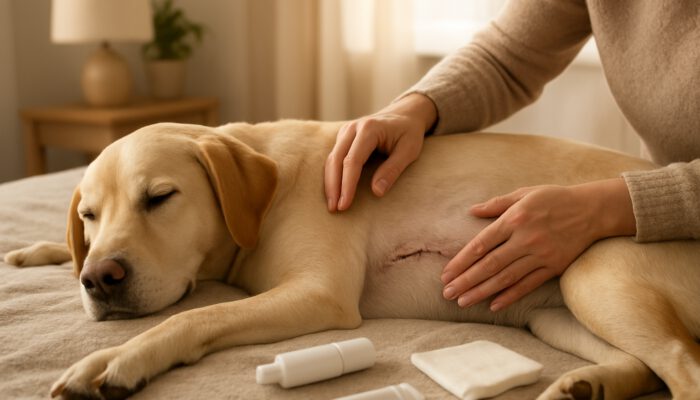
The typical recovery timeline for pets after a spaying procedure usually spans several weeks, with a crucial focus on monitoring the pet’s incision site, observing their activity levels, and assessing their overall behaviour. Initially, after the surgical intervention, close attention is required to ensure that the healing process begins smoothly. As recovery progresses, pet owners can anticipate positive changes, often leading to a complete recovery within approximately two weeks. Throughout this vital period, adhering to your veterinarian’s recommendations is essential to facilitate a smooth and effective recovery for your beloved furry companion, ultimately promoting their health and well-being.
Key Factors That Impact the Speed of Recovery Post-Spaying
A multitude of factors plays a significant role in determining how quickly pets recover after undergoing a spaying procedure. These factors encompass the pet’s age, breed, size, and their overall health status prior to surgery. Generally, younger animals tend to recover more swiftly compared to older ones. Moreover, certain breeds may have specific characteristics that can influence their healing times. Understanding these variables is crucial for pet owners, as it enables them to provide optimal care and support during the recovery phase, ensuring that their pets heal effectively and comfortably in a nurturing environment that promotes their well-being.
What Common Symptoms Should You Monitor During Your Pet’s Recovery?
It is imperative for pet owners to remain vigilant and attentive to their pets during the recovery phase. Key symptoms to monitor that indicate the pet’s recovery include:
- Lethargy or reduced energy levels
- Swelling at the incision site
- Difficulty in movement or mobility
- Changes in appetite or eating habits
- Excessive licking of the incision area
- Fever or noticeable behavioural changes
By diligently monitoring these symptoms, pet owners can effectively track their pet’s recovery progress and ensure timely intervention if any complications arise, thereby promoting a healthier and more seamless recovery journey for their cherished companions.
Implementing Effective Home Care Strategies for Enhanced Recovery
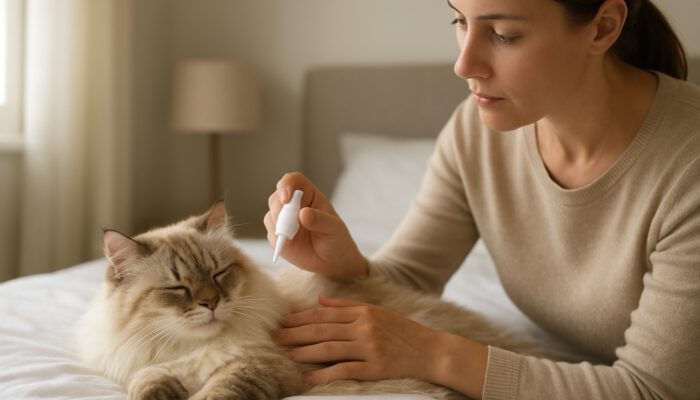
Implementing effective home care strategies is vital to ensuring a smooth recovery following spaying. Maintaining a clean recovery environment is crucial; this involves regularly changing the pet’s bedding and ensuring the area is free from debris and hazards. Timely administration of any prescribed medications is essential for effective pain management and infection prevention. Additionally, closely observing any changes in behaviour or physical condition allows owners to promptly address potential concerns, thereby contributing to a successful and comfortable recovery experience for their treasured pets.
How Long Does the Spay Recovery Process Usually Take for Pets?
Understanding the Early Recovery Phase After Spaying
The early recovery phase for pets typically lasts about three to five days after the surgical procedure. During this crucial period, pets require ample rest and must be monitored closely to prevent complications such as infection or excessive activity that could impede healing. Essential care requirements during this time include limiting physical exertion, maintaining cleanliness at the incision site, and observing for any adverse reactions to anesthesia. Following these guidelines significantly contributes to ensuring that pets recover quickly and comfortably, facilitating a smoother transition back to their usual routines and activities.
What Factors Can Prolong the Recovery Timeline for Pets After Spaying?
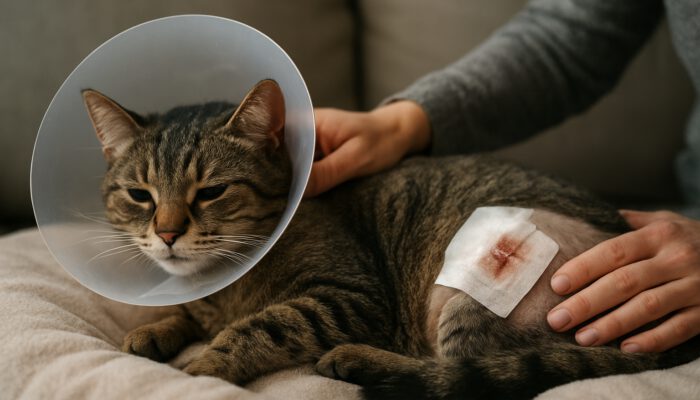
Several factors can lead to an extended recovery timeline for pets after spaying. Surgical complications, such as <a href=”https://limitsofstrategy.com/what-causes-acute-ear-infections/”>infections</a> or poor incision healing, can substantially delay the recovery process. Furthermore, a pet’s level of activity following surgery is critical; those who remain overly active or do not adhere to rest recommendations may face a longer recovery period. It is essential for pet owners to recognise these influences to offer the necessary support and adjustments in their pet’s care routine, thus promoting a more efficient recovery process.
Why is Rest Crucial for Your Pet’s Healing Journey?
Rest is essential for pets recovering from spaying, as it significantly alleviates stress on the body and enables effective healing. Creating a calm and quiet environment can greatly impact the speed of recovery. Pet owners can facilitate this by providing a comfortable resting area, free from distractions, and ensuring the pet feels secure, which helps minimise anxiety during the healing process. By prioritising rest, owners can enhance their pet’s healing journey and contribute to a swift recovery, ultimately improving their overall well-being and comfort during this critical time.
Expert Insights on the Recovery Timeline for Pets Post-Spaying
Actionable Steps to Improve Post-Surgery Care for Your Pets
To enhance recovery outcomes following spaying, pet owners should implement a series of actionable steps. Regularly cleaning the incision with a gentle antiseptic can help prevent infection, while administering pain management medications as prescribed by a veterinarian supports overall comfort. Establishing a routine that includes consistent check-ins on food and water intake, along with gentle activities, ensures that the pet remains on track for recovery. This proactive approach to care can significantly improve the healing process, enabling pets to return to their normal activities sooner and ensuring a happier and healthier life.
What Common Challenges May Arise During the Recovery Process?
Common challenges encountered during the spay recovery process can encompass behavioural changes as well as physical complications. Many pets might exhibit increased anxiety or restlessness, leading to excessive licking of the incision site. Strategies to address these challenges include providing distractions, such as engaging toys or puzzle feeders, and using an Elizabethan collar to prevent licking. By anticipating and tackling these challenges, pet owners can help ensure a smoother recovery experience for their pets, enhancing their comfort and well-being throughout this critical healing period.
How Can You Support Your Pet’s Long-Term Health After Spaying?
Supporting long-term health after spaying involves integrating recovery into ongoing pet care routines. Regular veterinary check-ups are essential to address any lingering issues promptly, facilitating continuous monitoring of the pet’s overall health. Maintaining a balanced diet and incorporating regular exercise tailored to the pet’s individual needs fosters overall well-being, promoting a healthier lifestyle long after the recovery phase has concluded. By prioritising these aspects of care, pet owners can significantly enhance their pets’ quality of life and longevity, leading to a happier and more fulfilling companionship.
Tracking Key Milestones in Your Pet’s Recovery Experience
Monitoring key milestones during the recovery process is essential for pet owners. Notable milestones include the return of normal activity levels, the normalisation of appetite, and clear signs of incision healing. Owners should keep track of these indicators to ensure their pet is progressing well. Any signs of delayed healing or regression may necessitate veterinary intervention, so staying attentive to these milestones is critical for facilitating a successful recovery process. By diligently tracking these signs, pet owners can better support their pets throughout the recovery journey.
What Signs Indicate Proper Recovery in Pets?
Is the Return of Appetite a Positive Indicator of Recovery?
Indeed, the return of a pet’s appetite is a significant indicator of progress in recovery after spaying. An improvement in appetite frequently signifies that the pet is feeling better and regaining strength. It is also crucial to monitor dietary adjustments to ensure that pets receive the necessary nutrients for recovery, such as high-quality proteins and adequate hydration. By being attentive to these signs, pet owners can gauge their pet’s recovery and make any necessary adjustments to their care routine, thereby fostering a healthier post-surgery experience.
What Factors Affect Visible Improvements in Recovery?
Numerous factors influence how quickly pets display visible signs of recovery following spaying. These factors include the pet’s individual health status, age, and any pre-existing conditions. Additionally, the quality of post-surgery care can significantly affect the speed at which recovery signs become apparent. By understanding these variables, pet owners can better support their pets during the healing process, ensuring they receive the best possible care and attention, which is crucial for achieving optimal recovery outcomes.
What Milestones Should Pet Owners Monitor During Recovery?
Owners should observe several milestones to effectively gauge their pet’s recovery. Key signs of healing include:
- Increased mobility and willingness to move
- Return to normal eating habits
- Reduction of swelling at the incision site
- Overall improvement in energy levels
- Resumption of playful behaviour
- Wound healing without complications
Monitoring these milestones helps ensure that pets are healing appropriately and not encountering setbacks. By remaining vigilant to these indicators, owners can provide timely support and care, thus promoting a smoother recovery journey for their beloved pets.
Research-Backed Benefits of Understanding the Spay Recovery Timeline for Pets
Evidence-Based Approaches to Effective Pain Management Following Spaying
Managing discomfort in pets post-surgery requires evidence-based approaches that are both effective and safe. Common methods include administering veterinary-prescribed pain relief medications and closely monitoring for signs of discomfort. Creating a supportive environment, such as providing soft bedding and minimising noise, can further enhance comfort during recovery. By prioritising these strategies, pet owners can significantly improve their pets’ recovery experiences, ensuring they feel secure and at ease throughout the healing process, which is pivotal for successful recovery.
What Long-Term Advantages Does Proper Recovery Offer for Pets?
Thorough recovery after spaying provides long-term advantages for pets, including improved health outcomes and a reduced risk of various diseases. Pets that heal properly are more likely to maintain healthy weights and exhibit better behavioural traits. Implementing trusted strategies, such as regular exercise and balanced nutrition, contributes to sustained health benefits, ultimately leading to a happier and healthier life for pets well beyond the recovery stage. By focusing on these long-term benefits, pet owners can ensure their companions thrive in the years to come.
What Role Does Follow-Up Care Play in Ensuring Recovery?
Follow-up care is critical for ensuring a complete recovery after spaying. Regular veterinary checks allow professionals to assess the healing process and intervene if any complications arise. These follow-up appointments are vital for maintaining ongoing health and confirming that the pet is adjusting well post-surgery. Addressing any lingering concerns during these visits ensures that pets receive the comprehensive care they need, contributing to their overall health and well-being as they transition back to their normal lives.
What Factors Influence the Speed of Spay Recovery in Pets?
Several research-supported factors can affect the speed of spay recovery in pets. Elements such as age, breed predispositions, and overall health can significantly influence healing times. To expedite recovery, owners should consider environmental factors, such as a stress-free home setting and adherence to veterinary guidance, which can reduce delays and promote a smoother recovery experience for their pets, ultimately leading to better health outcomes.
What Nutritional Strategies Can Enhance Recovery After Spaying?
Nutrition plays a pivotal role in enhancing recovery after spaying. Research indicates that diets rich in essential nutrients, such as proteins, vitamins, and minerals, effectively support the healing process. Implementing feeding routines that include high-quality pet food and appropriate supplements can boost immunity and energy levels, aiding in a quicker recovery. By prioritising nutrition, pet owners can significantly enhance their pets’ healing processes, ensuring they regain their strength and vitality, which is critical for a smooth transition following surgery.
Practical Tips for Supporting Your Pet’s Recovery Journey
How Can Your Environment Affect the Healing Process?
The environment plays a significant role in healing, as a calm and secure space helps minimise stress and promotes recovery. Ensuring that your pet has a designated, quiet area with familiar bedding can foster a sense of security. Additionally, reducing exposure to loud noises or the presence of other pets during recovery can help maintain a stress-free atmosphere, encouraging faster healing. These environmental considerations are crucial in supporting your pet’s recovery journey, enhancing their comfort and overall well-being during this essential healing period.
What Essential Daily Care Routines Should Be Established for Recovery?
Establishing essential daily care routines is vital for maintaining recovery progress. Gentle exercise, consistent monitoring of the incision site, and upholding hygiene are significant components of the healing process. Daily check-ins on food and water intake help ensure that pets receive adequate nutrition and hydration during their recovery. By following these routines, pet owners can promote a smoother recovery trajectory, supporting their pets’ health and comfort throughout the healing journey, which is essential for long-term well-being.
Why is Patience Key During the Recovery Process?
Patience is crucial during the spay recovery process, allowing pets the necessary time to heal completely. Rushing back into normal activities can lead to complications or setbacks that prolong recovery. Understanding that each pet’s recovery timeline is unique helps owners provide the appropriate care and support during this critical period. By exercising patience, pet owners can significantly enhance their pets’ recovery experiences, ensuring they heal effectively and comfortably, ultimately leading to a more successful recovery.
Frequently Asked Questions Regarding Spay Recovery
How Soon After Spaying Can My Pet Resume Normal Activities?
Pets typically can resume normal activities roughly two weeks after surgery; however, it is crucial to follow your veterinarian’s advice regarding specific timelines based on individual recovery progress. Each pet’s healing journey may differ, so adhering to professional guidance ensures a safe return to their regular routines and activities, ultimately promoting better health and well-being.
What Should I Do If My Pet Is Excessively Licking the Incision?
If your pet is excessively licking the incision, consider using an Elizabethan collar to prevent access to the area. It is essential to consult your veterinarian if this behaviour persists, as it may indicate discomfort or irritation that requires attention. Timely intervention can avert complications and promote a smoother recovery, ensuring your pet remains comfortable and healthy during their healing journey.
Is It Normal for My Pet to Be Lethargic After Surgery?
Yes, lethargy is common in the days following surgery as pets recover from anaesthesia. However, if lethargy persists beyond a few days, it is advisable to consult your veterinarian to rule out any complications. Monitoring your pet’s energy levels is crucial for ensuring their recovery is progressing as expected, helping to identify any potential issues early on.
What Signs Indicate That My Pet Is Healing Well After Spaying?
Signs of proper healing include reduced swelling around the incision, a return to normal appetite, increased energy levels, and the ability to move without discomfort. Monitoring these indicators helps ensure that your pet is making satisfactory progress throughout their recovery journey, allowing for timely adjustments in care if necessary.
How Can I Manage My Pet’s Pain After Spaying?
Managing pain post-surgery can involve administering prescribed pain medications as directed by your veterinarian, providing a comfortable resting area, and closely monitoring for signs of discomfort to ensure your pet is as comfortable as possible. This proactive approach to pain management is essential for supporting your pet’s recovery and overall well-being.
What Should I Feed My Pet After Spaying?
Following spaying, it is important to focus on providing a balanced diet that includes high-quality proteins and essential nutrients. Maintaining proper hydration is equally crucial during recovery, so always ensure that fresh water is readily available for your pet. Proper nutrition supports healing and contributes to a successful recovery process, ensuring your pet regains their strength and vitality.
Can My Pet Play with Other Animals After Spaying?
It is generally advisable to keep your pet away from other animals for at least two weeks post-surgery to prevent complications. Gradually reintroducing social activities once your veterinarian confirms it is safe can help ensure a smooth recovery. This cautious approach protects your pet’s health during the healing process, facilitating a better overall recovery experience.
What Precautions Should I Take During My Pet’s Recovery?
During recovery, it is essential to limit your pet’s physical activities, monitor the incision daily, and create a quiet, comfortable environment. Following your veterinarian’s instructions regarding medication and care routines is crucial for ensuring a smooth recovery. By taking these precautions, you can significantly enhance your pet’s healing experience, promoting their overall health and well-being during this vital recovery phase.
How Long Does the Incision Take to Heal Completely?
Complete healing of the incision typically takes about two weeks; however, it is essential to monitor for any signs of infection or complications. Always follow up with your veterinarian for a final assessment to ensure that your pet is healing properly and to address any lingering concerns that may arise during the recovery process.
When Should I Contact My Veterinarian During Recovery?
Reach out to your veterinarian if you notice excessive swelling, bleeding, a foul odour from the incision, or any significant changes in your pet’s behaviour or appetite. Prompt communication ensures timely care if complications arise, safeguarding your pet’s health and well-being during recovery, ultimately contributing to a successful healing journey.
Connect with Us on Facebook for More Pet Care Tips!
The Article Spay Recovery Timeline for Pets: What to Expect First Published On https://elgatoencasa.com
The Article Spay Recovery Timeline: What Pets Need to Expect Was Found On https://limitsofstrategy.com
The Article Spay Recovery Timeline: What to Expect for Your Pet found first on https://electroquench.com