Comprehending Credit Lines in the United Kingdom
In-Depth Examination of Current Lending Regulations in the UK
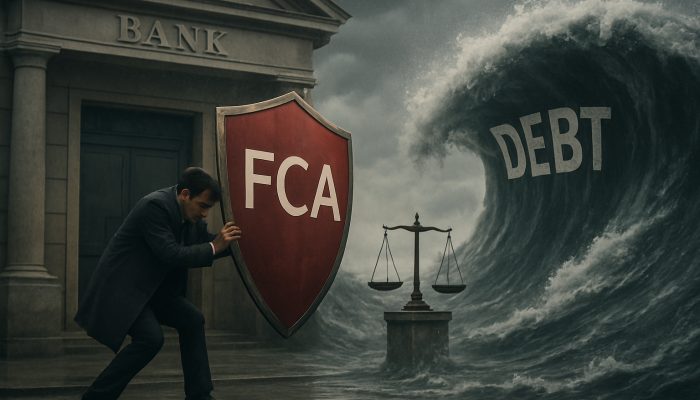
In the United Kingdom, the Financial Conduct Authority (FCA) oversees credit lines, enforcing strict standards to promote responsible lending practices and ensure thorough affordability assessments. These regulations aim to shield borrowers from excessive financial burdens, while requiring lenders to accurately evaluate an individual’s capacity to repay debts prior to approving new credit. Those considering borrowing must fully understand these regulations before applying for credit from either high street banks or online lenders.
The FCA requires lenders to carry out detailed assessments of a borrower’s financial situation, which includes examining income, expenditures, and existing debts. This thorough evaluation seeks to prevent individuals from taking on more debt than they can realistically handle. Applicants should be ready to provide comprehensive financial details during the credit application process. The emphasis on responsible lending is intended to cultivate a more sustainable borrowing culture throughout the UK.
Grasping these lending regulations is essential, as they can significantly affect the approval process for new credit lines. Borrowers should take the time to familiarise themselves with these guidelines to make well-informed financial decisions. A lack of awareness may result in missed opportunities or, more critically, unmanageable debt levels.
What Functions Do Credit Reference Agencies Serve?
In the UK, prominent credit reference agencies such as Experian, Equifax, and <a href="https://electroquench.com/home-loan-guide-essential-tips-for-beaufort-west/">TransUnion</a> play a vital role in the lending landscape. These agencies collect and analyse data regarding individuals’ payment histories, outstanding balances, and credit behaviours to generate credit scores. These scores are pivotal as they directly impact the lending decisions made by financial institutions. A higher credit score typically increases the chances of securing credit, while a lower score may restrict borrowing options.
The information gathered by credit reference agencies encompasses details about credit cards, loans, and mortgages, along with records of missed or late payments. This data is supplied to lenders, who rely on it to gauge the risk associated with lending to a specific applicant. Maintaining a robust credit history is crucial for anyone considering applying for additional credit lines. A sound understanding of how these agencies operate can empower borrowers to manage their credit profiles more effectively.
Individuals can also obtain their credit reports at no cost, enabling them to monitor their credit status and rectify any inaccuracies that could negatively affect their scores. This proactive approach aids in making informed decisions about when to pursue new credit and when to refrain. Being aware of one’s credit standing is a fundamental aspect of responsible financial management in the UK.
What Can You Anticipate When Applying for Credit?
When submitting an application for a credit line, lenders will carry out a hard search on the applicant’s credit report, which remains on record for up to twelve months. This hard inquiry may cause a temporary dip in an individual’s credit score, particularly if multiple applications are made within a short period. In the competitive UK market, where a plethora of credit options is available, understanding how multiple credit applications can affect overall creditworthiness is crucial.
The hard search process enables lenders to scrutinise the applicant’s credit history and assess the associated risks of extending credit. Each lender may have different criteria for evaluating applications, but the applicant’s credit score continues to be a significant factor, as numerous hard searches can detrimentally impact it. This consideration is especially important for those intending to apply for a mortgage or other substantial loans in the near future.
To mitigate the effects of hard searches, prospective borrowers might explore pre-qualification options offered by certain lenders. These soft searches do not impact credit scores and can provide insight into the likelihood of approval before submitting a formal application. This strategy can be particularly beneficial for those uncertain about their credit status or aiming to minimise unnecessary impacts on their scores.
What Are the Eligibility Criteria for Credit Lines in the UK?

In the UK, the primary eligibility requirements for obtaining credit lines generally include being at least eighteen years of age, demonstrating a reliable source of income, and maintaining a strong credit rating. Lenders seek reassurance that borrowers can manage repayments before extending credit facilities. This requires that individuals are prepared to provide proof of their income, such as payslips or tax returns, during the application process.
A robust credit rating is often essential for accessing credit lines from reputable financial institutions. This rating is influenced by various elements, including payment history, credit utilisation, and the length of credit history. Individuals with higher credit scores are more likely to secure favourable terms and conditions on their credit lines, including lower interest rates and higher limits.
Lenders may also consider additional factors, such as employment stability and current financial obligations, when evaluating overall affordability. Understanding these eligibility criteria can help potential borrowers prepare adequately before applying for credit, thus improving their chances of a successful application.
Recognising Indicators of Financial Distress
How to Track Monthly Expenses in Relation to Income
Keeping a close watch on household budgets is vital for identifying signs of financial distress. When essential bills begin to surpass regular income, it may suggest that further borrowing could lead to unmanageable debt levels. A thorough examination of monthly expenses can provide individuals with greater insight into their financial situations and facilitate informed decisions regarding additional credit lines.
Common signs of rising expenditures include increasing utility bills, soaring grocery costs, and unexpected expenses such as car repairs or medical fees. These factors can significantly affect disposable income and may necessitate a reassessment of financial priorities. If individuals find themselves consistently dipping into savings or relying on credit to cover essential costs, it may be time to reconsider any plans for acquiring additional credit.
By monitoring spending habits and maintaining clear awareness of their financial health, individuals can identify when they are approaching financial strain. This awareness acts as a vital warning signal, prompting individuals to avoid further borrowing until their financial situation stabilises. Proactively managing rising costs can help prevent escalating debt and potential financial hardship.
Assessing Current Credit Utilisation Rates

High credit utilisation rates can be an indicator of overextension, a common issue for many UK households. Credit utilisation refers to the ratio of outstanding debt to total available credit, and a high percentage may signal that individuals are relying too heavily on borrowed funds. Lenders often perceive high utilisation rates as a warning sign, suggesting that borrowers may struggle to manage additional credit.
Individuals are advised to aim for a credit utilisation rate below 30%. When this ratio exceeds this threshold, it can negatively impact credit scores and complicate the process of obtaining new credit lines. Regularly monitoring current balances on credit cards and loans is essential for maintaining a healthy credit profile and avoiding the pitfalls of excessive borrowing.
To improve utilisation rates, individuals might consider strategies such as paying down existing debts or requesting higher credit limits on current accounts. These actions can help lower the utilisation percentage and enhance overall creditworthiness. Being mindful of credit utilisation is a fundamental aspect of responsible financial management and can considerably influence future borrowing opportunities.
Evaluating the History of Missed or Late Payments
A record of missed or late payments serves as a clear warning against seeking additional credit facilities. Credit agencies in the UK monitor defaults, and any recent payment lapses can severely damage an individual’s credit score. Lenders generally interpret missed payments as a sign of financial difficulty, making it less likely for individuals to be approved for new credit lines.
The repercussions of missed payments extend beyond credit scores. They can also lead to higher interest rates on existing debts and incur additional fees, exacerbating financial difficulties. Immediate action is necessary to address any missed payments, as longer unresolved defaults can have a more damaging effect on creditworthiness.
To avoid falling into this trap, borrowers should set reminders for payment due dates and consider establishing direct debits for regular bills. This proactive strategy can help ensure that payments are made on time, thereby protecting credit scores and maintaining access to future borrowing options. Prioritising timely payments is crucial for sustaining financial health and avoiding unnecessary complications when considering new credit lines.
The Effects of Multiple Credit Lines on Your Credit Score
How Hard Searches Influence Credit Ratings
Frequent applications for credit can result in multiple hard searches that remain on an individual’s credit file for up to a year. Each hard search can temporarily lower a credit score, complicating future approvals with major British lenders. This is particularly relevant in a competitive lending environment where a strong credit score is essential for securing favourable terms.
When numerous hard searches appear on a credit report, lenders may interpret this as a sign of financial distress or an urgent need for credit. They may be less inclined to approve new applications, fearing that the applicant may struggle to manage additional debt. Understanding the implications of hard searches is essential for anyone contemplating multiple credit line applications.
To minimise the effects of hard searches, individuals should stagger their applications and apply for credit only when absolutely necessary. This strategic approach can help maintain a healthier credit profile and increase the likelihood of securing new credit in the future. Being aware of how credit inquiries affect scores is essential for responsible financial management.
The Consequences of Increased Total Debt Loads
Increased borrowing can lead to higher total debt loads, negatively impacting credit scores. Credit agencies in the UK view elevated debt levels as a greater risk, resulting in lower overall ratings. As total debt rises, so does the credit utilisation rate, further complicating the challenges of obtaining new credit lines.
Lenders typically evaluate an applicant’s total debt load when considering new credit applications. A high debt-to-income ratio can raise concerns about an individual’s ability to manage additional financial commitments. This may result in rejections or unfavourable terms on new credit lines, making it vital for borrowers to keep their debt levels manageable.
To avoid the pitfalls associated with high total debt loads, individuals should concentrate on reducing existing debts before pursuing additional borrowing. Strategies such as debt consolidation or prioritising repayments can alleviate financial burdens and improve credit scores. By actively managing debt levels, individuals can enhance their overall financial health and increase their chances of accessing new credit lines in the future.
Long-Term Implications for Mortgage Applications
Taking on additional credit lines can complicate mortgage applications, as UK mortgage providers closely examine total commitments before offering competitive rates or approvals. Lenders are particularly cautious about applicants with multiple credit lines, as this can indicate a higher risk of default. Individuals aiming to secure a mortgage should be mindful of how additional borrowing may impact their long-term financial goals.
Mortgage providers frequently assess an applicant’s debt-to-income ratio, reflecting the proportion of income dedicated to debt repayments. A high ratio can lead to rejections or increased interest rates, making homeownership more challenging for those with numerous credit lines. Understanding this relationship is critical for individuals planning to purchase property in the near future.
To enhance the chances of mortgage approval, individuals should aim to lower their overall debt levels before applying for a mortgage. This may involve consolidating existing debts or prioritising repayments to improve creditworthiness. Proactively managing financial commitments can significantly influence future home-buying opportunities and overall financial stability.
Increased Risk of Missed Payments
Managing repayments across multiple credit lines requires careful budgeting and financial discipline. Overlooking due dates on any account can lead to negative entries on credit records, which persist for several years with major UK credit bureaus. This can create a detrimental cycle of financial strain, making it increasingly difficult to manage debts and maintain a healthy credit profile.
When individuals take on multiple credit lines, the complexity of managing repayments increases. This can lead to confusion regarding due dates and payment amounts, amplifying the risk of missed payments. Establishing a clear system for tracking debts and setting reminders can help mitigate this risk and ensure timely repayments.
To further protect against missed payments, individuals may consider consolidating their debts into a single payment. This can simplify financial management and reduce the likelihood of overlooking due dates. By prioritising responsible repayment practices, individuals can safeguard their credit scores and retain access to future borrowing options.
Understanding Changes to Available Credit Limits
Opening multiple credit lines often prompts issuers to lower individual limits as a precaution against default. This can reduce total available credit and worsen utilisation rates calculated by scoring systems in the United Kingdom. Understanding the implications of increased borrowing on credit limits is crucial for maintaining a healthy credit profile.
When credit limits are reduced, individuals may find themselves unable to access sufficient credit when required. This can create additional financial strain, particularly during emergencies or unforeseen situations. Being aware of how multiple credit lines can affect available credit is essential for effective financial planning.
To manage credit limits effectively, individuals should maintain a balanced approach to borrowing. This might involve limiting the number of credit lines opened simultaneously and ensuring that existing debts are managed responsibly. By taking these measures, individuals can protect their credit limits and overall financial health.
Professional Insights on When to Avoid Taking Out Another Credit Line
Thoroughly Assessing Personal Financial Situations
Before contemplating another credit line, it is essential to thoroughly evaluate personal financial circumstances. Real-life examples of UK residents who chose against further borrowing highlight the importance of assessing income stability. For instance, individuals who opted to consolidate existing debts instead of acquiring new credit often found themselves in a more favourable financial position.
By reviewing their financial situations, these individuals recognised that taking on additional credit could lead to unmanageable debt levels. Instead, they focused on managing their existing commitments and prioritised repayment strategies. This approach enabled them to regain control over their finances and avoid the pitfalls of overborrowing.
Evaluating personal circumstances may also involve seeking advice from financial professionals. Consulting qualified advisers can provide valuable insights into the most appropriate course of action, helping individuals make informed decisions regarding their borrowing options. This thorough evaluation can serve as a critical step in preventing financial strain and ensuring long-term stability.
Spotting Unsuitable Lending Terms
It is vital for borrowers to identify unsuitable lending terms when considering additional credit lines. In the UK, numerous high APR products are aggressively marketed, often targeting individuals already managing multiple repayments. These products rarely suit those in precarious financial situations, as they can exacerbate existing debt burdens.
Understanding the terms and conditions of credit products is crucial for making informed choices. Borrowers should carefully evaluate interest rates, fees, and repayment schedules before committing to any new credit line. This level of scrutiny can prevent individuals from falling into the traps of high-interest debt that may be difficult to escape.
To protect themselves, borrowers should seek transparent lending options with reasonable terms. Engaging with reputable lenders and conducting thorough research can help identify products that align with their financial goals and circumstances. Recognising unsuitable lending terms is a vital aspect of responsible borrowing that can minimise the risks associated with additional credit lines.
Consulting Qualified Professionals at the Appropriate Time
Engaging with qualified professionals early can provide valuable guidance for individuals contemplating new credit lines. Consulting independent UK debt advisers can assist individuals in reviewing their entire financial situations before making any new commitments. These professionals are equipped to offer tailored advice based on individual circumstances, ensuring that borrowers make informed decisions.
Taking the time to seek professional advice can lead to better outcomes, particularly for those experiencing financial strain. Advisers can help individuals explore options such as debt consolidation, budgeting strategies, and alternative borrowing solutions. This proactive approach can empower borrowers to regain control over their finances and avoid the pitfalls of overborrowing.
Early consultation can facilitate long-term financial planning. By understanding the implications of additional credit lines, individuals can make strategic decisions that align with their financial objectives. Engaging with qualified professionals is a crucial step in navigating the complexities of borrowing and ensuring sustainable financial health.
Assessing the Impact on Future Borrowing Capacity
Taking on additional credit lines can severely restrict options for future borrowing, particularly for mortgages or business loans in the UK. Experts advise that individuals consider the long-term consequences of impulsive borrowing decisions, as these can lead to rejections due to high debt-to-income ratios. Understanding how current financial commitments affect future opportunities is essential for responsible financial management.
For instance, individuals who take on multiple credit lines may find their overall debt levels exceeding acceptable limits for lenders. This can hinder their ability to secure favourable mortgage rates or business financing, ultimately impacting their financial aspirations. Recognising the potential consequences of additional borrowing is crucial for making informed decisions.
To mitigate these risks, individuals should focus on reducing existing debts before seeking new credit. This can enhance their overall financial profile and improve their chances of securing future borrowing. By considering the effects on future capacity, borrowers can make strategic choices that align with their long-term financial goals.
Identifying Signs of Imminent Financial Strain
Recognising signs of imminent financial strain is critical for preventing unmanageable debt situations. Indicators such as rising monthly expenses that exceed income or frequent overdraft usage among British households should raise alarms. When these signs become apparent, it is advisable to avoid taking on new credit lines until financial stability is restored.
Closely monitoring personal finances can help individuals identify these warning signs early. For example, if essential expenses begin to consume a larger portion of income, it may indicate that further borrowing could exacerbate existing challenges. Understanding these indicators can empower individuals to make proactive decisions regarding their financial commitments.
Seeking professional advice when these signs emerge can provide valuable assistance. Financial advisers can help individuals develop strategies to address financial strain and explore alternative solutions without resorting to additional borrowing. By identifying signs of impending strain early, individuals can take steps to prevent escalation into unmanageable debt situations.
The Risks Linked to Additional Borrowing
The Potential for Escalating Interest Costs
One of the primary risks associated with additional borrowing is the potential for rising interest costs. Compounding charges on new credit facilities can rapidly inflate balances, particularly with variable rates offered by many online lenders in the UK. This can lead to a situation where individuals find it increasingly challenging to manage their debts effectively.
When borrowers take on multiple credit lines, they may inadvertently increase their overall debt burden. This can result in higher monthly repayments and increased financial pressure, complicating their ability to stay current with obligations. Understanding the implications of interest rates and repayment schedules is essential for responsible borrowing.
To mitigate the risk of soaring costs, individuals should meticulously evaluate the terms of any new credit products before committing. This includes assessing interest rates, fees, and repayment structures. By making informed choices, borrowers can protect themselves against the long-term repercussions of high-interest debt and maintain better control over their financial situations.
Consequences for Future Borrowing Opportunities
Defaults or high credit utilisation can restrict access to vital borrowing products, such as car finance or personal loans, when needed most. Lenders often view a poor credit history as a significant risk factor, complicating efforts for individuals to secure financing for future needs. Understanding how current borrowing behaviours can impact future opportunities is crucial for responsible financial management.
When individuals default on payments or maintain elevated utilisation rates, it can lead to lasting damage to their credit profiles. This may result in higher interest rates, lower borrowing limits, or outright rejections for future applications. Being aware of these potential outcomes can motivate individuals to make more informed decisions regarding their present borrowing practices.
To safeguard future borrowing options, individuals should prioritise timely payments and responsible credit management. This proactive strategy can help maintain a positive credit history, increasing the likelihood of securing favourable terms on future loans. By understanding the long-term implications of current borrowing behaviours, individuals can make strategic choices that support their financial objectives.
Emotional and Health Consequences of Financial Stress
Financial pressure from overborrowing can have significant emotional and health repercussions on individuals and their families across Britain. The stress associated with managing multiple debts can lead to anxiety, depression, and strain on personal relationships. Acknowledging the broader implications of financial strain is essential for promoting overall well-being.
When individuals feel overwhelmed by debt, it can create a cycle of stress that affects every aspect of their lives. This may lead to difficulties in maintaining a healthy work-life balance and strain personal relationships. Recognising the emotional toll of financial pressure is crucial for individuals contemplating additional borrowing.
To alleviate these impacts, individuals should prioritise financial health and seek support when necessary. This may involve consulting with financial professionals, engaging in stress management techniques, or seeking assistance from friends and family. By addressing the emotional and health aspects of financial strain, individuals can strive for a more balanced and fulfilling life.
Effective Strategies to Avoid Additional Credit Lines
Establishing Emergency Savings Buffers
Creating emergency savings buffers is a vital strategy for managing unexpected expenses without resorting to additional credit. Real-life examples from UK savers illustrate that prioritising emergency funds can provide financial security and peace of mind. By setting aside a portion of income each month, individuals can build a financial cushion that allows them to navigate unforeseen circumstances.
For instance, those who have established emergency savings are better equipped to handle unexpected costs, such as car repairs or medical bills, without accumulating debt. This proactive approach not only supports financial stability but also reduces reliance on credit lines. It is imperative for individuals to acknowledge the importance of savings in achieving long-term financial goals.
Building an emergency fund can also instil a sense of security and alleviate financial stress. Knowing that funds are available for emergencies can diminish anxiety and empower individuals to make informed financial decisions. By prioritising savings over new credit, individuals can enhance their overall financial health and resilience.
Negotiating with Current Creditors
Negotiating with existing creditors can be an effective strategy for managing financial commitments without incurring additional debt. Many British consumers have successfully contacted lenders to discuss payment holidays or reductions, allowing them to regain control over their finances. This approach can provide essential relief for individuals facing temporary financial challenges.
By reaching out to creditors, individuals may be able to negotiate more favourable repayment terms or explore debt restructuring options. This can ease financial strain and prevent the need for additional borrowing. Understanding the importance of communication with creditors is essential for effective debt management.
To enhance the likelihood of successful negotiations, individuals should prepare to present their financial circumstances clearly. This may involve providing documentation of income, expenses, and any changes in financial situations. By demonstrating a willingness to collaborate with creditors, individuals can often find solutions that support their financial well-being without resorting to new credit lines.
Exploring Government-Supported Assistance
Individuals grappling with financial challenges should consider exploring government-backed support schemes available in the UK. These programmes are designed to assist individuals in managing their debts and achieving financial stability. Accessing these resources can provide valuable support without necessitating additional borrowing.
Local councils and national programmes often offer debt management assistance, financial education, and access to support services. Individuals can benefit from these initiatives by seeking guidance on budgeting, debt consolidation, and financial planning. Understanding the available support options is crucial for individuals looking to navigate challenging financial situations.
To access government-backed support, individuals should investigate local resources and reach out to relevant organisations. This proactive approach can lead to valuable assistance and empower individuals to take control of their financial circumstances. By utilising available support, individuals can work towards achieving financial stability without incurring additional debt.
Why Reviewing Your Current Debts is Essential
Identifying Opportunities for Consolidation
Reviewing existing debts is crucial for pinpointing consolidation opportunities that can simplify financial management. Merging multiple balances into one lower-rate product often reduces monthly payments and streamlines management for UK borrowers facing various agreements. This approach can enhance financial stability and lessen the risk of missed payments.
When individuals consolidate their debts, they may secure a lower interest rate, resulting in significant long-term savings. This can also simplify tracking payments, as borrowers only need to manage a single repayment schedule. Understanding the advantages of debt consolidation is vital for informed financial decision-making.
To identify consolidation opportunities, individuals should evaluate their current debts and explore options with reputable lenders. This may involve researching personal loans, balance transfer credit cards, or other financial products designed for debt consolidation. By taking these steps, individuals can simplify their financial obligations and work towards achieving long-term financial stability.
Calculating True Affordability Levels
Determining true affordability levels is a crucial step in assessing whether new credit aligns with disposable income. A comprehensive review of financial circumstances reveals whether potential borrowing fits within existing obligations and possible rate increases. This understanding is vital for making informed decisions about additional credit lines.
When evaluating affordability, individuals should consider all current debts, monthly expenses, and potential income fluctuations. This thorough analysis can help determine whether additional borrowing is feasible without jeopardising financial stability. Understanding true affordability levels is essential for responsible borrowing practices.
Individuals should also anticipate potential interest rate increases when assessing affordability. As rates fluctuate, borrowers may face higher repayment amounts, making it essential to factor these changes into financial planning. By calculating true affordability levels, individuals can make more informed choices regarding their borrowing options and avert unnecessary financial strain.
Avoiding Unnecessary Fees and Charges
Avoiding unnecessary fees and charges is a critical consideration before taking on new credit lines. Early settlement penalties or arrangement costs on new lines can outweigh benefits, making thorough audits essential before proceeding with British providers. Understanding the potential costs related to new credit is vital for effective financial management.
When individuals overlook the fine print of credit agreements, they may inadvertently incur additional charges that can significantly impact overall borrowing costs. This can lead to situations where the advantages of new credit are negated by unexpected fees. Being vigilant about potential costs is essential for maintaining financial health.
To avoid unnecessary fees, individuals should conduct comprehensive research and carefully read the terms of any credit products before committing. This proactive approach can help uncover potential pitfalls and ensure that borrowers make informed decisions that align with their financial goals. By prioritising transparency and understanding costs, individuals can protect themselves from unnecessary financial burdens.
Alternatives to Consider Before Increasing Borrowing
Community-Based Financial Assistance
Local credit unions across the United Kingdom often offer more favourable rates and supportive terms compared to commercial lenders for eligible members. These community-focused financial institutions can present valuable alternatives for individuals considering additional borrowing. Understanding the benefits of credit unions is essential for making informed financial decisions.
Credit unions typically prioritise the needs of their members by providing lower interest rates and more flexible repayment options. This can make them a compelling alternative for individuals seeking financial support without the high costs associated with traditional lenders. Engaging with local credit unions can empower individuals to access credit in a more sustainable manner.
Many credit unions also provide financial education and support services to assist members in managing their finances effectively. This may include budgeting workshops, debt management advice, and resources that promote financial literacy. By exploring community-based financial assistance, individuals can identify alternatives that align with their financial goals and situations.
Generating Income by Selling Unused Household Items
Generating quick cash through the sale of unused household items can provide immediate funds without interest or long-term commitments. This approach allows individuals to declutter their homes while addressing financial needs without resorting to additional borrowing. Recognising the value of personal assets is crucial for effective financial management.
Online marketplaces, car boot sales, and local selling groups can serve as platforms for individuals to sell items they no longer require. This can range from clothing and electronics to furniture and collectibles. By leveraging existing assets, individuals can generate quick cash to cover expenses or bolster an emergency fund.
Selling unused items can also cultivate a sense of financial responsibility and sustainability. By reassessing personal belongings and identifying what is genuinely needed, individuals can develop healthier spending habits. This proactive strategy can empower individuals to manage their finances more effectively and decrease reliance on credit.
Gradually Adjusting Spending Habits
Creating realistic budgets and tracking expenses can help free up resources over time, thereby reducing reliance on additional credit facilities. Gradually adjusting spending habits is a sustainable approach to financial management that can yield significant long-term benefits. Understanding the importance of budgeting is essential for effective financial management.
Individuals should begin by evaluating their current spending patterns and identifying areas where adjustments can be made. This might involve cutting back on non-essential expenditures, seeking discounts, or exploring alternative options for regular purchases. By taking small steps towards more mindful spending, individuals can create a more balanced financial situation.
Tracking expenses can offer valuable insights into spending habits and highlight areas for improvement. By maintaining a clear overview of financial inflows and outflows, individuals can make informed decisions about their budgets and financial objectives. This gradual approach to adjusting spending habits can lead to greater financial stability and diminish the need for additional borrowing.
Seeking Temporary Financial Assistance from Family or Friends
Reaching out to close family members or friends for temporary financial support can enable individuals to avoid high-interest loans while preserving personal relationships. This approach can offer a supportive safety net during challenging times, allowing individuals to navigate financial difficulties without incurring additional debt. Understanding the value of personal relationships in financial matters is vital for effective management.
When seeking assistance from family or friends, individuals should communicate openly and honestly about their financial needs. This transparency can foster trust and understanding, making it easier to establish mutually agreeable repayment terms. By leveraging personal connections, individuals can access the support they require without the burdens of traditional lending.
Maintaining clear communication regarding repayment expectations can help preserve relationships and prevent misunderstandings. By approaching financial assistance with respect and consideration, individuals can navigate temporary challenges while strengthening personal bonds. This strategy can empower individuals to manage their finances more effectively and reduce reliance on credit.
Exploring Government Support Schemes
Investigating available state benefits or local authority assistance programmes in the United Kingdom can provide eligible individuals with additional resources to manage expenses without needing to take on extra debt from private sources. Understanding the various support options available is crucial for individuals facing financial difficulties.
Government support schemes can encompass a range of services, from financial assistance for housing costs to access to food banks and utility support. By exploring these options, individuals can alleviate some financial pressures and avoid the need for additional borrowing. This proactive approach can help individuals maintain stability during challenging times.
To access government support, individuals should research local resources and reach out to relevant organisations. This may involve contacting local councils or community services to inquire about available assistance. By utilising government support schemes, individuals can navigate financial challenges more effectively and work towards achieving long-term stability without incurring further debt.
Frequently Asked Questions
What is a credit line?
A credit line is a pre-set amount of credit that a borrower can access from a lender, allowing them to withdraw funds as needed up to a specified limit.
How does applying for multiple credit lines affect my credit score?
Applying for multiple credit lines can lead to several hard searches on your credit report, which may lower your credit score and make future approvals more challenging.
What signs indicate I should avoid taking out more credit?
Indicators include rising monthly expenses, high credit utilisation rates, and a history of missed or late payments, suggesting potential financial strain.
How can I improve my credit score?
You can enhance your credit score by making timely payments, reducing credit utilisation, avoiding multiple hard inquiries, and regularly checking your credit report for errors.
What risks are associated with taking on additional credit lines?
Risks include escalating interest costs, damage to future borrowing options, and negative emotional and health impacts stemming from financial stress.
What should I do if I’m struggling to manage my debts?
Consider seeking advice from a qualified financial adviser, negotiating with creditors, or exploring government-backed support schemes to help manage your debts effectively.
How can I consolidate my debts?
You can consolidate debts by taking out a personal loan to pay off multiple debts, transferring balances to a lower-interest credit card, or seeking a debt management plan.
Are there alternatives to borrowing more money?
Yes, alternatives include building emergency savings, selling unused items, adjusting spending habits, and seeking financial help from family or friends.
What should I look for when considering a new credit line?
Look for transparent terms, competitive interest rates, and manageable repayment schedules. Ensure that the credit line aligns with your financial situation and goals.
How can I avoid unnecessary fees when borrowing?
Carefully read the terms and conditions of any credit products, compare options, and be aware of potential charges such as early settlement penalties or arrangement fees.
Stay Updated on Our Facebook Page!
This Article Was First Found On: https://www.debtconsolidationloans.co.uk
The Article When Not to Take Out Another Credit Line: A UK Debt Overview found first on https://electroquench.com