Transform Your Pet's Health with Enhanced Feeding Schedules
What Is Augmented Feeding and How Does It Improve Your Pet's Well-Being?
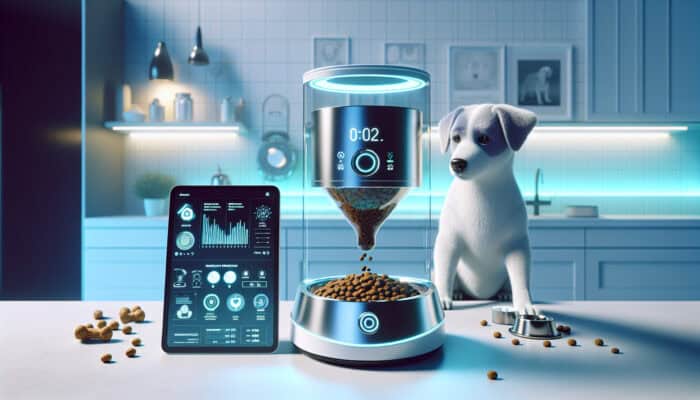
Augmented feeding represents an innovative approach to managing your pet's diet, prioritising personalised meal timing and portion sizes through cutting-edge technology. This forward-thinking technique fosters balanced nutrition, ensuring that pets maintain optimal energy levels while significantly decreasing the likelihood of overfeeding or underfeeding. With a variety of high-tech tools available, pet owners can customise their pets’ diets to address specific health needs. Essential tools for effective augmented feeding include:
- Feeding apps that meticulously track meal data
- Smart feeders that enable programmable feeding schedules
- Timers that notify owners when mealtime arrives
- Weight management scales crafted for precise portion control
- Nutrition calculators that ensure diets are well-balanced
What Are the Different Feeding Schedule Variations for Pets?
Feeding schedules can differ greatly, each tailored to accommodate varying pet lifestyles and health requirements. The timed feeding approach designates specific intervals for meals, whereas free feeding allows pets to eat at their leisure. Some pet owners achieve success using a hybrid model, blending elements of both methods for a balanced feeding strategy. Each feeding style offers unique benefits, responding to the needs of pets based on factors such as age, activity levels, and specific health considerations.
For instance, structured feeding is particularly advantageous for energetic dogs or cats that thrive on consistency, while free feeding may suit pets that naturally self-regulate their food intake. Grasping these distinctions is vital for owners aiming to implement an augmented feeding schedule tailored to their pet's individual lifestyle and health requirements.
What Benefits Do Pet Owners Experience by Adopting Augmented Feeding?
Various feeding schedules can be adapted to meet specific pet needs, establishing regular routines that support digestion and overall activity levels. Such structure effectively helps prevent common issues, including obesity, by creating organised daily feeding plans. Pet owners gain peace of mind knowing they can efficiently manage their pet’s diet, leading to healthier pets and fewer veterinary visits due to consistent nutritional intake. The reliability of a structured feeding schedule empowers owners with greater control, significantly reducing stress associated with pet care.
Moreover, a customised feeding routine strengthens the bond between pets and their owners as regular interactions during mealtimes promote connection and understanding. This intentional engagement nurtures responsible pet ownership and underlines the importance of nutrition for a pet's overall well-being.
How Does the Augmented Feeding System Operate?

What Are the Core Mechanisms Behind Augmented Feeding Schedules?
Augmented feeding schedules utilise advanced technology to seamlessly integrate into daily pet care routines. By employing sensors, timers, and applications, these systems ensure that meal portions and timing are specifically tailored to each pet’s unique requirements. These technological innovations collect data on eating habits, allowing for real-time adjustments based on individual patterns and preferences. For example, a smart feeder can dispense meals at designated times while monitoring food consumption and subsequently adapting future portions based on prior intake.
This fundamental mechanism underscores the significance of consistent feeding, which aids in regulating a pet’s digestive system and meeting their energy requirements. The incorporation of technology streamlines the feeding process, reducing the need for constant manual intervention from pet owners. Thus, the collaboration between human insight and technological support cultivates a robust feeding strategy that substantially enhances pet health.
Why Is It Essential to Incorporate Technology into Feeding Practices?
The integration of technology into feeding practices offers numerous benefits that significantly enhance pets' health and overall well-being. Smart feeding devices and applications not only facilitate precise meal timing but also empower pet owners to monitor their pets' dietary intake from a distance. These tools assist in tracking feeding patterns and ensuring nutritional balance, guaranteeing that pets receive optimal nutrients at appropriate times.
Furthermore, technology allows for ongoing adjustments based on real-time data. For instance, if a pet's activity level fluctuates, owners can modify meal portions accordingly without the hassle of manually tracking consumption. This level of adaptability is essential for pets whose metabolism may vary due to age, health status, or lifestyle changes. Ultimately, employing technology in feeding practices promotes a proactive approach to pet health, leading to significantly improved health outcomes.
What Steps Should You Follow to Create an Augmented Feeding System?

Establishing an augmented feeding system involves a systematic approach to integrating technology into daily pet care routines. Begin by assessing your pet's current dietary habits and nutritional needs, taking into account factors such as age, breed, activity level, and any health issues that may influence their diet.
Following this evaluation, select appropriate tools like smart feeders or feeding apps that align with your pet’s specific requirements. It is crucial to ensure that these devices are user-friendly and can accommodate your pet’s feeding schedule. After implementation, create a consistent routine that merges feeding schedules with continuous monitoring of your pet’s health. This method allows for adjustments to feeding plans based on observed behaviours, ensuring your pet remains healthy and well-nourished over time.
What Are the Significant Benefits of Augmented Feeding for Pets?
Augmented feeding employs technology to optimise nutrient delivery, enhancing efficiency and reducing waste in areas such as animal husbandry and crop management. This strategy significantly improves animal health, boosts productivity, and promotes sustainable practices by minimising environmental impact and resource consumption. By utilising smart feeders and monitoring tools, pet owners can streamline feeding routines, ensuring their pets receive the right nutrients at the appropriate times while decreasing food waste.
Moreover, real-time data integration allows for better adaptation to individual feeding habits, leading to improved health outcomes. Augmented systems deploy timers and sensors to deliver precise meals, adapting to pet behaviour to foster better health while minimising waste during daily feeding. Proactive management of feeding schedules benefits not only individual pets but also supports broader sustainability efforts.
Another considerable advantage is the ability to remotely track pets’ eating patterns. Owners can monitor consumption through apps that provide insights into their pets' daily intake. This feature allows for timely adjustments to enhance overall health and reassures pet owners that their pets are receiving adequate nutrition.
Expert Insights on Enhancing Augmented Feeding Schedules
What Advanced Techniques Can Maximise Feeding Schedules?
To refine augmented feeding schedules, expert insights highlight several advanced techniques designed to boost their effectiveness. One method involves employing biometric analysis to personalise feeding frequencies and portions based on individual pet needs. For example, data from wearable devices can provide insights into a pet’s activity levels, enabling owners to adjust feeding schedules in accordance with energy expenditure. This dynamic strategy ensures that pets receive the appropriate nutrition tailored to their daily activities.
In addition, incorporating machine learning algorithms into feeding applications can predict optimal feeding times and adjust portion sizes based on historical data. As feeding trends develop, the system becomes increasingly adept at anticipating a pet's needs, resulting in enhanced management of feeding habits. This sophisticated optimisation not only improves health outcomes but also minimises waste by ensuring pets receive precisely what they require.
What Common Challenges Do Pet Owners Face with Augmented Feeding?
Implementing augmented feeding schedules can pose various challenges that necessitate thoughtful solutions. A common issue is irregular eating patterns among pets, as some may resist eating at designated times, leading to concerns about inconsistent nutrition. To address this, owners can experiment with different feeding times, adjusting to their pet's preferences while still maintaining a structured routine. Gradually introducing changes, such as shifting mealtimes, can also aid in helping pets adapt more comfortably.
Another challenge lies in the integration of technology; owners may find it difficult to set up smart feeders or applications, which can be frustrating. Providing clear, user-friendly instructions for each device can ease the transition. If difficulties persist, engaging with online forums or communities may uncover shared solutions and tips from fellow pet owners. By proactively tackling these common obstacles, owners can successfully implement and sustain augmented feeding practices.
How Can Pet Owners Evaluate the Effectiveness of Feeding Schedules?
Monitoring the effectiveness of augmented feeding schedules is vital to ensure that pets thrive under these new routines. Regular evaluations should encompass tracking both the pet’s weight and overall health metrics. For instance, monitoring weight fluctuations can indicate whether the feeding schedule is successfully managing a pet's nutritional intake. Owners should aim to keep their pets within a healthy weight range and adjust feeding portions as needed.
Behavioural observations are equally important; noting changes in energy levels or appetite can signal the need to fine-tune feeding schedules. If a pet appears lethargic or excessively hungry, it may indicate a need for dietary adjustments. Regularly reviewing the established feeding plan and its outcomes can guide ongoing modifications, ensuring sustained success in maintaining optimal health. Consistent monitoring enables tailored strategies that effectively address individual needs. World Examples Highlight the Success of Augmented Feeding?
This section delves into practical implementations of augmented feeding schedules across various industries, showcasing successful applications, methodologies employed, and potential benefits. In aquaculture, for example, the adoption of automated feeding systems has significantly improved fish growth rates. By tracking feeding patterns and adjusting portions accordingly, aquaculture farms have effectively reduced waste, leading to more sustainable practices and healthier fish populations.
In agriculture, augmented feeding schedules optimise livestock nutrition, enhancing productivity while minimising environmental impacts. Farms that have embraced smart feeding systems report improved feed conversion rates, indicating that animals receive the correct nutrients at the appropriate times. This data-driven strategy not only bolsters animal welfare but also supports industry sustainability, providing valuable insights for those seeking to implement effective augmented feeding strategies.
What Are the Emerging Trends in Augmented Feeding Practices?
This section explores the latest advancements and future directions in augmented feeding schedules, including the integration of artificial intelligence (AI), Internet of Things (IoT) devices, and sustainable feeding practices. The rise of artificial intelligence in feeding technologies enables predictive analytics that inform pet owners about optimal feeding times and portion sizes based on real-time data. IoT devices further enhance connectivity, allowing owners to monitor their pets and make necessary adjustments remotely.
Additionally, the growing emphasis on sustainability is becoming more pronounced, as pet owners increasingly seek eco-friendly feeding solutions. By utilising locally sourced ingredients and minimising waste, augmented feeding systems can contribute to broader environmental goals while ensuring pets receive high-quality nutrition. These trends indicate a shift toward more intelligent, responsible feeding practices that address global challenges, including food security and environmental sustainability.
As pet owners embrace these innovations, the future of augmented feeding schedules appears promising, paving the way for improved pet health and well-being while supporting sustainable practices.
What Are the Comprehensive Advantages of Augmented Feeding?
How Does Augmented Feeding Enhance Digestion in Pets?
Augmented feeding practices significantly improve digestion by strategically spacing meals, reducing bloating, and supporting optimal nutrient absorption. This method fosters a well-balanced digestive environment that promotes gut health. Providing meals at regular intervals aids pets in metabolising food more efficiently, thereby facilitating improved nutrient absorption.
To further enhance digestion, consider implementing these dietary tips that support better gut health for pets:
- Incorporate high-fibre foods to aid digestion
- Select easily digestible proteins
- Introduce probiotics to promote balanced gut flora
- Avoid sudden dietary changes that can upset the stomach
- Monitor food temperature to ensure it is neither too hot nor too cold
These strategies, when combined with an augmented feeding schedule, can significantly enhance a pet’s digestive health and promote overall well-being.
What Long-Term Health Benefits Can Augmented Feeding Provide?
The long-term health advantages of augmented feeding practices include improved immunity and vitality through the prevention of nutritional deficiencies. A balanced diet, consistently delivered through structured feeding schedules, lowers the risk of health complications and helps pets thrive as they age. Over time, these practices can significantly reduce the risk of chronic conditions, such as obesity and diabetes, which often stem from inadequate nutrition.
Furthermore, the preventive nature of augmented feeding supports a pet's longevity. By addressing dietary needs early and continuously, owners enable their pets to lead healthier lives, ultimately extending their lifespans. This focus on proactive care underscores the importance of nutrition in overall health, positioning augmented feeding as a crucial component of responsible pet ownership.
How Does Augmented Feeding Affect Pet Behaviour?
Augmented feeding schedules play a vital role in alleviating anxiety and promoting routine, resulting in calmer pets with improved energy levels. Consistent feeding patterns positively influence overall mood and activity, allowing pets to establish a sense of security around mealtimes. This reliability fosters trust between pets and their owners, strengthening their bond and improving behavioural outcomes.
Additionally, structured feeding routines can diminish instances of food aggression or anxiety, as pets become accustomed to their designated meal times. Consequently, owners may observe a reduction in unwanted behaviours, creating a more harmonious living environment. By prioritising feeding schedules, pet owners can significantly enhance their furry friends’ behavioural health.
What Research-Backed Benefits Support Augmented Feeding Schedules?
What Key Findings Have Research Studies Uncovered?
Research indicates that controlled portions significantly reduce obesity rates, underscoring the effectiveness of structured feeding schedules. Studies demonstrate that pets adhering to augmented feeding plans experience notable weight loss compared to those fed erratically. These findings are critical for pet owners seeking to effectively manage their pets’ weight.
To implement portion guidelines based on expert analysis, consider the following actionable steps:
- Consult with a veterinarian to establish ideal weight ranges
- Utilise measuring cups for precise portion sizes
- Adjust feeding amounts based on activity levels
- Monitor weight regularly to track progress
- Make gradual changes to avoid shocking pets’ systems
Adopting these strategies can significantly improve weight management and overall health in pets, highlighting the value of enhanced feeding schedules.
How Do Augmented Feeding Practices Impact Lifespan?
Augmented feeding methods correlate with extended lifespans by maintaining ideal weight, and research emphasises preventive care to sustain pet longevity. Studies reveal that pets on structured feeding schedules exhibit improved health metrics and enjoy longer, healthier lives compared to those with irregular feeding habits. Adhering to a balanced diet through augmented feeding not only addresses immediate nutritional needs but also supports long-term health outcomes.
Pet owners should recognise the significance of a consistent feeding routine to elevate their companion's quality of life. By emphasising preventive care through proper nutrition, owners can mitigate health issues before they arise, ultimately prolonging their pets' lives.
What Nutritional Science Underpins Augmented Feeding Schedules?
Grounded in dietary research, augmented feeding schedules ensure balanced nutritional intake and provide expert insights on nutrient timing that enhance pet development and well-being. Studies indicate that pets receiving consistent, nutrient-dense meals experience fewer health complications, underscoring the critical role of nutrition for overall pet health.
Timely feeding practices support optimal metabolism, enabling pets to utilise nutrients more effectively. Owners should consider nutrient timing, adjusting mealtimes according to activity levels and dietary needs to ensure pets derive maximum benefit from their food. This mindful approach to feeding promotes overall health and reinforces the essential role of nutrition in pet care.
What Steps Are Required for Implementing Augmented Feeding Schedules?
How to Begin the Initial Setup Process?
Initiating the implementation of augmented feeding schedules requires a systematic setup process that prioritises pets' individual needs. Start by evaluating your pet's current habits and dietary requirements to establish a foundation for your feeding plan. Gathering information about your pet's age, breed, activity level, and any existing health conditions will provide a thorough understanding of their nutritional needs.
Next, select appropriate tools and devices that support the augmented feeding process. This may include smart feeders, feeding apps, or portion control bowls that align with your pet's specific requirements. Once you have acquired the necessary tools, create a personalised feeding schedule that reflects your assessments and selected technologies. This tailored approach ensures your pet's unique needs are met while enabling efficient diet management.
How to Customise Feeding Schedules for Different Pets?
Customising feeding schedules for pets involves careful consideration of their individual needs, including age, breed, and health status. For instance, younger pets may require more frequent meals to support growth, while senior pets may benefit from smaller portions to manage weight. Understanding these distinctions is crucial for fostering better adaptation and ongoing nutritional support.
Additionally, consider each pet's unique behaviours and preferences when designing a feeding plan. Some pets may have specific feeding-time preferences, while others may thrive on a more flexible routine. By tailoring feeding schedules accordingly, owners can create a more positive mealtime experience, ultimately enhancing their pets' overall well-being.
What Strategies Can Help Maintain Consistency in Feeding Schedules?
Ensuring consistency in feeding schedules is crucial for guaranteeing that pets thrive under augmented feeding practices. Establish clear reminders using technology, such as smartphone alerts or smart feeder timers, to prompt timely feedings. These reminders can serve as straightforward yet effective tools for keeping feeding routines on track.
Additionally, owners should monitor their pets' responses to feeding schedules and adjust as necessary to maintain engagement and satisfaction. Should any shifts occur in a pet's behaviour or health, be prepared to re-evaluate the feeding plan and implement adjustments accordingly. By upholding a consistent feeding schedule, pets benefit from improved nutrition, promoting better health and overall well-being.
Why Is Customisation Crucial in Augmented Feeding?
How to Adapt Feeding Schedules to Pet Lifestyles?
Customising feeding schedules to individual activity levels allows them to evolve and meet specific demands, thereby improving energy and health across various scenarios. Pets are unique beings with differing needs, making a one-size-fits-all approach ineffective. Tailoring feeding schedules to lifestyle factors ensures pets receive sufficient nutrition aligned with their activity levels.
For example, highly active pets may require more frequent meals or larger portion sizes, while sedentary pets may need less. By adjusting feeding plans, owners can promote optimal energy levels, ultimately enhancing behaviour and overall health. Customising feeding schedules leads to happier, healthier pets.
How to Balance Nutritional Needs Effectively?
Tailoring feeds to specific dietary preferences is essential to prevent deficiencies and account for factors such as growth stages, thereby supporting overall pet wellness. Each pet has unique dietary requirements based on their age, breed, and activity level, necessitating a customised nutrition approach. For instance, puppies may require higher protein levels to support their rapid growth, while senior pets may benefit from diets lower in calories but rich in fibre.
By focusing on these factors, owners can create a balanced diet that promotes optimal health. Regular consultations with veterinarians can enhance this process, ensuring that dietary plans are both effective and healthy for pets.
What Are the Potential Risks of Ignoring Customisation in Feeding?
Neglecting to customise feeding schedules can lead to imbalances, including weight issues, underscoring the need for personalised approaches to avoid common pitfalls in pet nutrition. For example, feeding a sedentary pet a high-calorie diet can result in obesity, whereas underfeeding an active pet can cause lethargy and health complications. These potential risks highlight the importance of adjusting feeding plans according to individual needs.
By customising feeding schedules, owners can mitigate these risks and ensure pets receive the right nutrients tailored to their unique requirements. Embracing a personalised approach to feeding can significantly enhance pets' health outcomes and overall quality of life.
How to Monitor Pet Health Effectively?
What Strategies Are Effective for Tracking Daily Progress?
Regularly tracking eating patterns and health metrics is crucial for adjusting feeding schedules and ensuring optimal results through diligent monitoring of pet health. Owners should maintain a log of their pet's daily food intake and track changes in appetite and behaviour over time. This information can provide valuable insights into a pet's overall health and help identify any underlying health concerns.
Utilising technology, such as feeding apps that track consumption, can streamline this process. These tools can generate reports on feeding habits, helping owners identify trends or changes that may necessitate adjustments to feeding schedules. By adopting a proactive approach to health monitoring, pet owners can effectively support their pets’ nutritional needs.
What Signs Indicate Improvement in Pet Health?
Look for improvements in coat quality and energy levels as indicators of successful implementation of augmented feeding schedules that positively influence pet vitality and interactions. A shiny coat and increased energy typically signal that pets are receiving adequate nutrition tailored to their specific needs. Furthermore, monitoring behavioural changes, such as increased playfulness or decreased lethargy, can further confirm the effectiveness of the feeding plan.
Regular evaluations should be conducted to assess these signs and prompt owners to maintain effective feeding practices. Pets that show noticeable improvements in energy and overall health likely benefit from a well-structured, customised feeding regimen.
When Is It Necessary to Seek Adjustments to Feeding Schedules?
Recognising changes in behaviour or health provides cues for necessary adjustments, helping maintain efficacy by responding promptly to shifts in pet needs. For example, if a pet displays signs of weight gain or loss, it may indicate that the feeding schedule requires adjustment. Other indicators, such as changes in energy levels, fluctuations in appetite, or digestive issues, should also prompt a reevaluation of feeding practices.
Engaging veterinarians for professional guidance can provide an additional layer of support when making adjustments. Regular check-ups can help ensure that feeding schedules remain aligned with pets' evolving needs, promoting long-term health and vitality. Addressing changes early can lead to better outcomes and enhance pets' quality of life.
Frequently Asked Questions about Augmented Feeding Schedules
What Are Augmented Feeding Schedules?
Augmented feeding schedules utilise technology to customise meal times and portion sizes for pets, promoting optimal health by ensuring balanced nutrition and energy levels.
How Can I Implement an Augmented Feeding Schedule for My Pet?
Start by evaluating your pet's dietary needs, selecting suitable tools such as smart feeders or apps, and creating a personalised feeding plan based on your findings.
What Benefits Do Augmented Feeding Schedules Offer to Pets?
These schedules promote consistent routines that support digestion and help prevent obesity, providing owners with peace of mind by simplifying diet management.
Can Technology Improve Feeding Practices for Pets?
Yes, technology can optimise meal timing and portion sizes by adjusting based on real-time data regarding pets' eating habits and activity levels.
What Common Challenges Are Associated with Augmented Feeding?
Common challenges include irregular eating patterns and difficulties integrating technology, both of which can be effectively addressed through adjustments and user-friendly instructions.
How Can I Measure the Effectiveness of My Pet's Feeding Schedule?
Regularly monitor your pet's weight, behaviour, and health metrics to evaluate the effectiveness of the feeding schedule and make necessary adjustments.
What Role Does Customisation Play in Pet Feeding?
Customisation ensures that individual health needs are addressed, considering factors such as age, breed, and activity level to avoid common feeding pitfalls.
How Often Should I Adjust My Pet's Feeding Schedule?
Feeding schedules should be adjusted based on observed changes in weight, energy levels, and overall health, with regular evaluations guiding ongoing modifications.
Are There Long-Term Benefits to Following Augmented Feeding Schedules?
Absolutely; consistent feeding practices can lead to improved immunity, vitality, and a reduced risk of chronic health issues over time.
What Should I Do If My Pet Refuses to Eat at Scheduled Times?
Consider experimenting with feeding times or gradually adjusting portions, and consult with a veterinarian if the issue persists to rule out any health concerns.
Connect with Us on Facebook for More Insights!
The Article Augmented Feeding Schedules for Pets: Enhancing Pet Nutrition and Health First Published On https://elgatoencasa.com
The Article Augmented Feeding Schedules: Boosting Pet Nutrition and Health Was Found On https://limitsofstrategy.com