Assessing the Environmental Impact of Electric Vehicles Versus Gasoline Cars
Emission Comparison: Uncover How Electric Vehicles Are Leading the Charge in Pollution Reduction
Electric vehicles (EVs) are revolutionising the global transportation landscape by markedly diminishing harmful emissions compared to traditional gasoline-powered vehicles. By utilising electricity rather than fossil fuels, electric cars significantly contribute to the reduction of pollutants like carbon dioxide (CO2), nitrogen oxides (NOx), and particulate matter. The immediate advantages of reduced emissions are particularly evident in urban environments, where air quality is vital for public health and the overall well-being of communities.
Key environmental benefits of electric vehicles include:
- Significantly reduced greenhouse gas emissions throughout their entire lifecycle.
- Lowered air pollution, leading to enhanced public health outcomes.
- Decreased reliance on fossil fuels, encouraging energy diversification.
- Potential utilisation of renewable energy sources for charging, further minimising carbon footprints.
- Less noise pollution, improving urban living conditions.
- Promotion of sustainable practices through supportive infrastructure.
- Recycling opportunities and resource recovery in battery production.
- Long-term ecological benefits, including biodiversity preservation.
As the global focus on tackling climate change and fostering sustainable urban development intensifies, the transition to electric vehicles becomes indispensable. Embracing EVs is crucial for ensuring cleaner air in cities around the globe, ultimately nurturing healthier environments for all inhabitants.
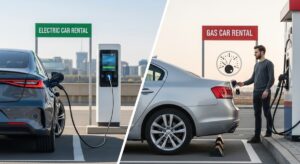
How Does the Adoption of Electric Cars Influence Environmental Sustainability?
The shift towards electric vehicles has a profoundly positive impact on environmental sustainability by reducing reliance on fossil fuels. This transition leads to diminished environmental degradation associated with practices such as drilling, mining, and refining, which can severely disrupt local ecosystems. Furthermore, the combustion of gasoline contributes to climate change and degrades air quality—issues that electric vehicles are specifically designed to combat.
In the long run, the widespread adoption of electric vehicles can significantly enhance biodiversity, as cleaner air promotes healthier ecosystems. Additionally, the capability to charge electric vehicles using renewable energy sources such as solar or wind power amplifies these environmental benefits. By integrating EVs into the transport network, investment in renewable energy infrastructure increases, creating a constructive feedback loop that encourages further ecological progress.
With ongoing advancements in battery technology and charging infrastructure, electric vehicles can achieve even greater environmental advantages. As nations commit to reaching carbon neutrality targets, the adoption of electric vehicles becomes essential in the global effort against climate change and in fostering a sustainable future.
Comprehensive Lifecycle Evaluation of Electric and Gas Vehicles
A thorough lifecycle analysis of electric and gasoline vehicles unveils significant differences in environmental impact during their production, operation, and disposal phases. Producing electric vehicles, particularly their batteries, can be resource-intensive, necessitating materials such as lithium, cobalt, and nickel. Nonetheless, advancements in recycling technologies and battery production are progressively addressing these challenges.
During the operational phase, electric vehicles outperform gasoline vehicles in environmental performance as they generate zero tailpipe emissions. This feature enhances urban air quality, improving health outcomes for city residents. In contrast, gasoline vehicles continuously emit greenhouse gases and other pollutants, exacerbating climate change and degrading urban air quality.
Regarding disposal, electric vehicles present opportunities for sustainable recycling practices. As the industry matures, companies are innovating methods to recover valuable materials from used batteries, thus reducing waste and minimising environmental harm. Conventional gasoline vehicles, however, often end up in landfills where their components can pose environmental risks if not managed properly.
Understanding these lifecycle distinctions is critical for environmentally conscious consumers. The overall sustainability of electric vehicles frequently outweighs their initial production impacts, presenting a compelling case for their adoption.
Financial Implications: Evaluating Costs of Electric Versus Gas Vehicles
Examining Initial Purchase and Rental Costs
When evaluating the financial aspects of renting vehicles, electric cars generally have higher upfront purchase prices compared to gasoline models. However, the rental market is evolving; with competitive pricing for electric vehicles, they are becoming increasingly accessible to consumers worldwide. Rental rates for electric cars can vary significantly based on factors such as location, availability, and demand.
Key financial considerations for renting electric vehicles include:
- Potential lower rental rates offered by companies to encourage EV adoption.
- Availability of government incentives or rebates for renting electric vehicles.
- Possible discounts for long-term rentals, reflecting reduced operational costs.
- Transparency regarding charging costs included in rental agreements.
- Additional charges or discounts related to specific charging networks.
- Future resale value considerations, as electric vehicles may retain their value better.
- Differences in insurance policies, as some may favour electric vehicles.
- Increased demand resulting in a greater range of rental options.
While initial costs may be higher, the overall value proposition for renting electric vehicles in various markets is compelling. As adoption rates rise, the rental market adapts to offer more options that appeal to environmentally conscious consumers while ensuring economic viability.
Evaluating Operational Costs
Operational costs are a critical factor in determining the long-term cost-effectiveness of electric vehicles compared to gasoline cars. Generally, electric vehicles incur lower running costs due to the cheaper price of electricity relative to gasoline, which can fluctuate significantly due to global oil market dynamics.
For instance, charging an electric vehicle often costs less than half the price of refuelling a gasoline car, depending on local energy rates. This results in substantial fuel savings over a year of typical driving. For example, if an electric vehicle consumes approximately 30 kWh per 100 miles and the average electricity rate is $0.13 per kWh, the cost to travel 100 miles would be around $3.90. In contrast, a gasoline vehicle achieving 25 miles per gallon at $3.00 per gallon would incur approximately $12.00 for the same distance.
These savings can accumulate rapidly, especially for renters who cover significant distances during their rental periods. Furthermore, electric vehicles typically have fewer moving parts, leading to lower maintenance costs associated with oil changes, exhaust systems, and other typical components of gasoline vehicles. Overall, the operational expenses linked to electric cars make them an appealing option for renters seeking economical transportation solutions.
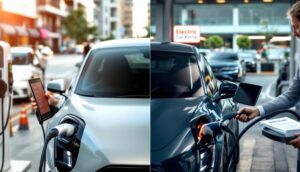
Comparing Maintenance and Repair Costs
In terms of maintenance and repair expenses, electric vehicles hold a distinct advantage over gasoline cars. With fewer moving parts, electric vehicles typically incur lower maintenance costs throughout their lifespan. For instance, electric vehicles do not require oil changes and have simpler drivetrains, which reduces the likelihood of mechanical failures.
An average electric vehicle may require maintenance such as tyre rotations, brake inspections, and battery assessments, which generally occur less frequently than the maintenance needs of gasoline vehicles. Gasoline cars require regular oil changes, transmission servicing, and inspections of exhaust systems, radiators, and fuel injectors, resulting in higher annual maintenance costs.
Moreover, as electric vehicle technology advances, many manufacturers are extending warranties for electric vehicle components, particularly batteries. This not only boosts consumer confidence but also diminishes the risk of unforeseen repair expenses. For renters, understanding these potential savings is crucial. By opting for an electric vehicle, renters can anticipate significantly lower maintenance and repair costs, enhancing the overall cost efficiency of their transportation choices.
Understanding Long-Term Ownership Expenses
Over a timeframe of 5 to 10 years, the total ownership costs of electric and gasoline cars reveal the financial advantages of selecting electric. Although electric vehicles may carry higher initial expenses, they typically offer lower operational, maintenance, and insurance costs, leading to substantial savings over time.
For example, the average annual maintenance expense for an electric vehicle can be around $300, while a gasoline vehicle's costs can exceed $1,000, depending on the model and age of the vehicle. Additionally, depreciation rates for electric vehicles are improving as demand rises, which can lead to better resale values.
Furthermore, certain regions provide tax incentives or rebates for electric vehicle ownership, enhancing the financial appeal. These incentives can offset initial costs and yield additional savings throughout the vehicle's lifetime. As consumers increasingly favour eco-friendly options, understanding the long-term financial implications of electric versus gasoline vehicles becomes essential for making informed choices.
Assessing the Costs Related to Environmental Impact
The financial implications associated with the environmental impact of electric versus gasoline vehicles are gaining prominence as global awareness of climate change grows. Gasoline vehicles, with their continuous emissions and dependence on fossil fuels, incur not only environmental but also economic costs that can manifest as healthcare expenses linked to pollution-related illnesses.
Conversely, electric vehicles considerably reduce greenhouse gas emissions, resulting in improved public health outcomes and reduced costs related to healthcare and environmental restoration. Numerous governments are recognising the significance of encouraging electric vehicle adoption by providing incentives such as tax credits, rebates, or reduced registration fees for electric vehicle rentals.
While the initial costs of electric vehicles may be higher, the long-term financial implications associated with their environmental benefits can be substantial. As more cities implement policies aimed at reducing carbon emissions, the financial advantages of renting electric vehicles are likely to increase, creating a persuasive case for environmentally conscious consumers.
Expert Insights: The Benefits of Renting Electric Vehicles Compared to Gasoline Cars
Performance and Driving Experience: A Comparison of Electric Vehicles and Gas Cars
Electric vehicles present unique benefits in both performance and driving experience when compared to gasoline cars. A standout characteristic of electric vehicles is their instantaneous torque delivery. Unlike gasoline engines, which require time to build power, electric motors provide immediate power. This feature results in rapid acceleration, often creating a more thrilling driving experience.
Furthermore, electric vehicles typically have a lower centre of gravity due to the placement of their heavy batteries. This design enhances stability and handling, making them enjoyable to drive in various conditions. Expert drivers often highlight the smooth and quiet operation of electric vehicles, offering a serene driving atmosphere that contrasts sharply with the noise and vibrations commonly associated with gasoline engines.
In the realm of technology, electric vehicles often lead the way in automotive innovation, featuring advanced systems like regenerative braking that captures energy during braking to recharge the battery. This technology not only boosts efficiency but also improves overall vehicle control. For potential renters, the superior driving dynamics of electric cars can significantly elevate the rental experience, making them an enticing option for both casual renters and driving enthusiasts alike.
Innovative Developments in Electric Vehicle Technology
The rapid evolution of electric vehicle technology has positioned them as leaders in automotive innovation, greatly enhancing the rental experience. Features such as regenerative braking and advanced driver-assistance systems distinguish electric cars. Regenerative braking enables electric vehicles to recover energy during deceleration, thereby extending the vehicle's range while also minimising brake wear—an important advantage for renters who may not be well-versed in vehicle maintenance.
Moreover, many electric vehicles come equipped with state-of-the-art infotainment and connectivity features, granting renters access to navigation, entertainment, and real-time vehicle diagnostics. These technological advancements contribute to a more enjoyable and seamless driving experience.
Additionally, as electric vehicle technology continues to develop, numerous rental companies are investing in providing cutting-edge models that showcase the latest advancements. This allows renters to benefit from recent developments in comfort, safety, and efficiency—enhancing their overall travel experience. As consumers become increasingly aware of these technological advantages, the appeal of renting electric cars is expected to grow steadily.
Consumer Trends: The Increasing Demand for Electric Vehicles
A significant shift in consumer preferences indicates that more renters are choosing electric vehicles due to their economic and environmental benefits. With a heightened awareness of climate change and personal responsibility, individuals are increasingly selecting transportation options that align with their values. For instance, a survey conducted by the International Council on Clean Transportation revealed a growing number of consumers are considering renting electric cars for their next adventure.
The rise of rental companies focused on electric fleet offerings has further accelerated this trend. Companies like Hertz and Enterprise are expanding their electric vehicle fleets to cater to the increasing consumer demand. Regions with robust charging infrastructure also experience higher rates of electric vehicle rentals, as renters appreciate the convenience and accessibility of charging stations.
Real-world examples support this trend: in cities such as Amsterdam and San Francisco, electric vehicle rentals have surged as consumers actively seek eco-friendly travel options. As awareness of electric vehicles continues to expand, the rental market is adapting to meet the evolving preferences of consumers, underscoring the long-term viability of electric car rentals.
What Are the Core Benefits of Renting an Electric Vehicle?
Enhanced Convenience and Accessibility of Electric Vehicle Rentals
The convenience and accessibility of electric car rentals are rapidly evolving, making them an attractive option for travellers globally. Rental companies are increasingly broadening their electric vehicle offerings to cater to the rising demand from environmentally conscious customers. Numerous cities now feature dedicated electric vehicle rental agencies, while traditional rental companies are also incorporating electric options into their fleets.
A significant advantage of renting an electric vehicle is the extensive network of charging stations available in urban areas and along key travel routes. This network ensures that travellers can easily locate charging points, alleviating concerns about range anxiety. Furthermore, many rental agencies provide clear information about nearby charging stations, simplifying the trip planning process for electric vehicle users.
Moreover, electric vehicles typically come equipped with user-friendly technology that assists renters in locating charging stations and effectively managing their battery usage. This ease of access greatly enhances the appeal of renting electric vehicles, enabling travellers to enjoy a hassle-free experience while contributing to environmental sustainability.
How Does Renting an Electric Vehicle Enrich Your Overall Travel Experience?
Renting an electric vehicle can significantly enhance your travel experience by providing a quiet, smooth operation that elevates the enjoyment of your journey. The absence of an internal combustion engine results in minimal noise and vibrations, allowing passengers to engage in conversations, enjoy music, or simply appreciate the tranquillity of their surroundings. This peaceful environment is particularly beneficial for long road trips or scenic drives through picturesque landscapes.
Additionally, many electric vehicles are equipped with advanced technology, including intuitive navigation systems and entertainment features, which can further enrich the travel experience. Passengers can stay connected, explore local attractions, or receive real-time traffic updates, making their journeys more efficient and enjoyable.
Furthermore, the eco-friendly nature of electric vehicles enables travellers to feel good about their transportation choices. Renters can take pride in reducing their carbon footprint while discovering new destinations, adding a fulfilling aspect to their trips. Overall, the combination of comfort, technology, and sustainability makes electric car rentals an attractive choice for modern travellers.
Incentives and Support for Electric Vehicle Rentals
A variety of incentives and support systems are emerging to enhance the appeal of renting electric vehicles for consumers. Governments around the world are recognising the significance of promoting electric vehicle usage and are implementing policies to encourage rentals. These incentives may include tax credits, rebates, or reduced rental fees for electric vehicle rentals, which can help lower overall costs.
In addition, rental companies are increasingly providing support services specifically designed for electric vehicle renters. Many agencies offer assistance with charging logistics, including partnerships with charging networks that grant easy access to charging stations and often provide discounts for renters. This level of support not only enhances the rental experience but also alleviates concerns regarding charging and battery management.
Furthermore, educational resources are becoming more prevalent, with rental companies supplying information on effectively operating electric vehicles and maximising their efficiency. This commitment to customer service reflects the growing recognition of electric vehicles as a viable transportation option and highlights the industry's dedication to promoting sustainable travel practices.
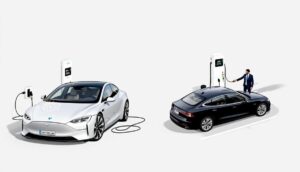
Infrastructure and Support Systems for Electric Vehicles: An In-Depth Overview
The Importance of Charging Networks: A Vital Consideration for Electric Vehicle Renters
A robust network of charging stations is essential for electric vehicle renters, significantly influencing their decision-making process. As the number of electric vehicles on the road increases, expanding charging infrastructure has become a priority for many cities globally. Travellers must carefully plan their journeys, considering the availability of charging stations to ensure they can conveniently recharge their vehicles during their trips.
Many regions now feature charging stations in accessible locations such as shopping centres, hotels, and along highways, allowing renters to charge their vehicles while engaging in other activities. The convenience of fast-charging stations means that renters can quickly recharge their batteries during meal breaks or rest stops, making long-distance travel both feasible and efficient.
For renters, utilising a charging station often requires downloading specific apps that provide real-time information on charging station locations and availability. Familiarising themselves with these tools can greatly enhance the travel experience, enabling effective route planning and minimising downtime. As charging infrastructure continues to grow, renting electric vehicles will become even more convenient and accessible for users.
How Does the Infrastructure for Electric Vehicles Differ from That of Gasoline Vehicles?
The infrastructure supporting electric vehicles is markedly different from that of gasoline cars, which has implications for renters. Electric vehicles require charging stations, which may not be as prevalent as gas stations, particularly in rural areas. However, this trend is changing as more investments are made to expand charging networks worldwide.
Gasoline stations are primarily designed for quick refuelling, while electric charging stations often facilitate longer stops, such as dining or shopping. This difference in infrastructure alters the travel experience for renters, as electric vehicle users may strategically plan their routes to include charging stations.
Moreover, the integration of charging stations into urban planning is increasingly evident, with cities recognising the importance of supporting electric vehicle adoption. Many municipalities are implementing policies that encourage businesses to install charging stations, making it easier for renters to find charging points. This evolving landscape promises a more integrated approach to transportation infrastructure, ultimately benefiting electric vehicle renters.
Dedicated Support Services for Electric Vehicle Renters
Rental companies are increasingly acknowledging the necessity of providing support services tailored specifically for electric vehicle renters. These services can significantly enhance the overall rental experience, making it smoother and more enjoyable. Many rental agencies now assist with locating charging stations, often integrating this information into their mobile apps or vehicle navigation systems.
Additionally, several rental companies offer charging solutions, such as partnerships with charging networks that enable renters to access charging stations at discounted rates. This not only adds convenience but also helps alleviate concerns about charging costs. Moreover, some rental agencies provide home charging equipment or portable chargers, ensuring renters can easily charge their vehicles during their travels.
Education is another vital component of support services for electric vehicle renters. Many companies offer resources on effectively operating electric vehicles, including tips for maximising battery life and understanding charging protocols. This commitment to customer service illustrates the growing recognition of electric vehicles as a sustainable transportation option, underscoring the industry's dedication to promoting environmentally friendly travel.
Research-Supported Benefits of Renting Electric Cars Versus Gas Vehicles
Health and Well-Being: The Positive Impact of Electric Vehicles
The health advantages associated with electric vehicles are significant, particularly in their contributions to improved air quality. By producing zero tailpipe emissions, electric vehicles help mitigate pollutants that lead to respiratory issues, cardiovascular diseases, and other health problems related to poor air quality. As cities increasingly integrate electric vehicles into their transportation systems, the positive effects on public health are profound.
For renters aiming to maximise health benefits, opting for electric vehicles can be a proactive choice. It not only positively impacts personal health but also promotes community well-being. Furthermore, encouraging more individuals to choose electric vehicles can help shift societal norms towards sustainability, enhancing public health outcomes.
It is essential for renters to consider the environmental implications of their transportation choices, recognising that by selecting electric vehicles, they are contributing to healthier communities. This alignment of personal choices with broader health and environmental goals can pave the way for a more sustainable future for all.
Economic Impact: The Financial Landscape of Electric Vehicles
The transition to electric vehicles holds the potential to drive economic growth, impacting various sectors through job creation and innovation. As demand for electric vehicles increases, new industries are emerging, particularly in battery manufacturing, charging infrastructure, and renewable energy. This growth generates job opportunities in engineering, technology, and environmental sciences.
For renters, the economic advantages of selecting electric vehicles extend beyond personal savings. As the rental market adapts to the increasing demand for electric cars, rental companies may offer competitive pricing, discounts, and innovative services. The economic landscape surrounding electric vehicles is continuously evolving, leading to a dynamic rental market that benefits both businesses and consumers.
Moreover, consumers interested in renting electric vehicles can contribute to a sustainable economy, reinforcing the connection between environmental responsibility and economic viability. As the electric vehicle market expands, the positive economic implications are likely to grow, further motivating consumers to choose electric cars for their rentals.
What Are the Long-Term Benefits of Renting Electric Cars?
The long-term benefits of renting electric vehicles extend beyond immediate savings, encompassing environmental, economic, and social impacts. By selecting electric vehicles for rentals, consumers can significantly lower their carbon footprint, aiding the fight against climate change. This reduction in greenhouse gas emissions can enhance air quality, ultimately benefiting public health in the long run.
Additionally, renters can experience potential savings on fuel costs, maintenance expenses, and insurance premiums when opting for electric vehicles. As technology progresses and charging infrastructure improves, the convenience and accessibility of electric cars are likely to continue to rise, making them an even more attractive option for renters in the future.
Moreover, by supporting the electric vehicle market, renters contribute to fostering innovation and encouraging the development of sustainable transportation solutions. This holistic approach to rental choices promotes environmental sustainability while simultaneously driving economic growth, benefiting both individuals and communities.
The Environmental Importance of Electric Vehicles
Electric vehicles play a pivotal role in reducing greenhouse gas emissions and promoting environmental sustainability. By decreasing reliance on fossil fuels, electric vehicles combat climate change, encouraging cleaner air and healthier ecosystems. The environmental benefits of electric vehicles can yield lasting effects on communities, influencing air quality and public health outcomes.
Renters who opt for electric cars are not only making a financially savvy choice but are also demonstrating their commitment to environmental stewardship. Each rental contributes to a collective effort to reduce emissions and promote sustainable practices within the transportation sector.
Furthermore, as consumer preferences increasingly lean towards electric vehicles, the market will evolve, leading to improved technology and infrastructure. This positive momentum highlights the importance of making environmentally conscious choices when renting vehicles, ultimately fostering a more sustainable future for everyone.
Convenience and Accessibility: The Benefits of Electric Vehicles
Electric cars frequently provide several convenient features that appeal to renters. For instance, many electric vehicles support home charging, enabling renters to recharge their vehicles overnight. This is particularly beneficial for individuals on extended trips or long rentals, as it minimises the need to frequently search for charging stations.
Moreover, electric vehicles often come equipped with advanced technology that assists with navigation and locating nearby charging stations. This technology enhances the rental experience by simplifying the logistics of managing an electric vehicle during a trip. Additionally, many electric cars offer spacious interiors and comfort-oriented designs, further appealing to renters seeking a pleasant travel experience.
Furthermore, electric vehicles often provide easier parking options, as some cities offer designated electric vehicle parking spaces, saving time and reducing hassle. Overall, renters should factor in these convenience elements when weighing electric against gasoline cars, as they significantly contribute to a more enjoyable and efficient travel experience.
Practical Considerations for Renting Electric Versus Gas Cars
Examining Vehicle Availability and Diversity in Rental Fleets
The availability and diversity of electric and gasoline cars within rental fleets are crucial considerations for potential renters. As electric vehicles gain traction in the market, rental companies are gradually expanding their electric offerings, providing consumers with an increasing array of options. Although electric models may still constitute a smaller share of total rental fleets, this trend is changing as demand rises.
Renters should consider factors such as vehicle range, size, and features while selecting a rental vehicle. Electric vehicles are available in various styles, from compact cars to SUVs, enabling consumers to choose the model that best meets their requirements. Additionally, some rental companies may offer premium electric models equipped with advanced technology and features, appealing to those who prioritise performance and comfort.
Conversely, gasoline vehicles continue to provide a wider selection and immediate availability in many locations. For travellers needing a vehicle for an impromptu trip, gas cars can offer a more immediate option. However, as electric vehicle technology continues to improve, the variety and availability of electric cars in rental fleets will likely expand, presenting even more choices for consumers.
What Distinctions Are Present in the Rental Process for Electric Cars?
Renting electric cars involves certain distinctions in the rental process compared to traditional gasoline vehicles. One notable difference is the necessity for renters to understand charging protocols, which may not be required when renting gasoline cars. Many rental companies provide instructions on charging procedures and may offer guidance on the available charging stations in the area, ensuring a smooth rental experience.
Additionally, the check-in and check-out processes may incorporate specific protocols related to battery levels. Renters might be asked to return the vehicle with a full charge or face additional fees for insufficient charging. Understanding these requirements is crucial to avoid unexpected charges and to ensure a satisfactory experience.
Moreover, some rental companies may provide enhanced customer service tailored for electric vehicle renters, including assistance with charging logistics or troubleshooting common issues. This dedication to customer satisfaction is vital for making the transition to electric rentals more accessible and user-friendly.
Planning and Logistics for Electric Vehicle Rentals
When renting an electric vehicle, planning and logistics are essential for a successful rental experience. A primary consideration for renters is understanding the vehicle's charging needs and the availability of charging stations along their intended route. Renters should utilise apps providing real-time information regarding charging station locations, types of chargers available, and estimated wait times.
Additionally, considering the vehicle's range is vital, as electric cars typically have varying ranges depending on the model. Renters should plan their routes to accommodate charging stops while ensuring they have enough battery capacity for their travels. Creating a detailed itinerary that includes charging points can greatly enhance the rental experience and alleviate range anxiety.
Furthermore, renters should familiarise themselves with charging options, including fast charging versus standard charging stations, choosing the best options that align with their schedules. Proper planning can ensure that using an electric vehicle is a seamless and enjoyable experience, ultimately showcasing the practicality and appeal of electric rentals in a diverse landscape.
Frequently Asked Questions (FAQs)
What Are the Main Benefits of Renting an Electric Vehicle?
Renting an electric vehicle offers numerous advantages, including lower operational costs, a reduced environmental impact, and advanced technology features. Additionally, electric cars provide a smooth, quiet driving experience, enhancing overall travel enjoyment.
How Do Electric Vehicles Help Reduce Air Pollution?
Electric vehicles produce zero tailpipe emissions, which significantly lowers air pollutants such as nitrogen oxides and particulate matter, contributing to poor air quality and various public health issues.
Are Electric Car Rentals More Expensive Than Gas Car Rentals?
Though electric vehicles may have higher initial costs, rental prices can be competitive, particularly with government incentives and lower operational costs, making electric rentals a financially viable option.
Can I Easily Locate Charging Stations While Travelling?
Yes, many regions now feature extensive networks of charging stations, simplifying the process for travellers to find charging points. Apps can provide real-time data about charging station availability.
What Should I Consider When Renting an Electric Car?
Consider factors such as vehicle range, charging station availability along your route, and specific rental policies regarding charging protocols. Proper planning can significantly enhance your rental experience.
Do Electric Vehicles Require More Maintenance Than Gasoline Cars?
No, electric vehicles generally need less maintenance than gasoline cars due to fewer moving parts and the absence of oil changes, resulting in lower overall maintenance costs.
Are There Incentives Available for Renting Electric Vehicles?
Many rental companies and local governments provide incentives such as tax credits, discounts on rental fees, and rebates for renting electric vehicles to promote sustainable transportation.
What Is Regenerative Braking in Electric Vehicles?
Regenerative braking is a technology that captures energy during braking and converts it back into electricity to recharge the vehicle's battery, enhancing efficiency and extending its range.
How Can Renting an Electric Car Improve My Travel Experience?
Renting an electric vehicle can enhance your travel experience through its quiet operation, advanced technology features, and lower operational costs, contributing to a more enjoyable journey.
What Future Trends Are Expected in Electric Vehicle Rentals?
Future trends may include an increased availability of electric vehicle models, enhanced charging infrastructure, and growing consumer preferences for sustainable transportation, driving the expansion of electric car rental options.
Connect with us on Facebook!
The Article: Renting an Electric Car vs. Gas Car: Essential Insights appeared first on https://rentacar24.org/
The Article Electric Car vs. Gas Car: Key Insights for Renters Was Found On https://limitsofstrategy.com