Mastering the Art of Creating Crowd-Pleasing Recipes
What Essential Characteristics Define a Recipe Perfect for Serving Large Groups?
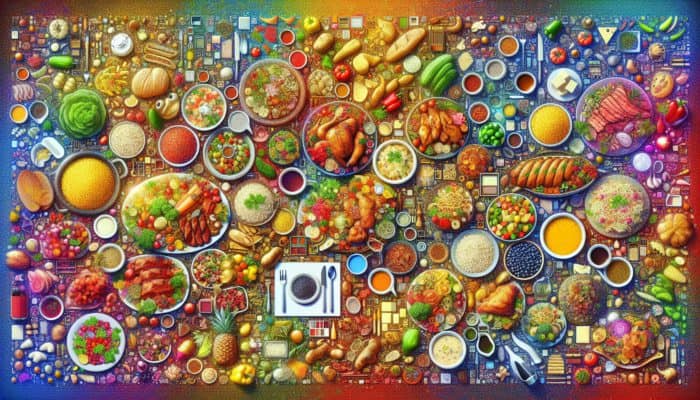
Crafting crowd-pleasing recipes entails selecting dishes that can be easily scaled to accommodate larger quantities while ensuring uniform cooking throughout. By choosing flexible ingredients that cater to diverse palates, the cooking experience becomes enjoyable and efficient for any gathering. Key elements typically consist of:
- Starchy bases (such as rice, pasta, or potatoes)
- Proteins (including chicken, beef, or legumes)
- Vegetables (fresh and varied for added colour and nutrition)
- Herbs and spices (to enhance flavours without complicating the cooking process)
- Sauces or dressings (to provide flair and variety)
- Cheese (to enrich dishes and appeal to guests)
These components harmoniously combine to create meals that not only nourish but also tantalise a range of taste buds, ensuring that your gathering leaves a lasting impression on all attendees.
What Fundamental Components Make Crowd Recipes Effective?
A successful recipe for large gatherings strikes a fine balance among flavours, retains nutritional integrity, and ensures simplicity in serving. This equilibrium keeps guests satisfied without overwhelming the cook, which is essential for effective meal planning during both casual get-togethers and special events. Here are some practical recommendations for crafting effective recipes:
1. Flavor Profiles: Target a well-rounded combination of sweet, savoury, and spicy flavours to cater to a wide array of tastes.
2. Nutritional Value: Incorporate a well-balanced mix of proteins, carbohydrates, and healthy fats to ensure the dishes are wholesome and fulfilling.
3. Ease of Serving: Opt for recipes that can be served from a single dish or pot, which reduces serving time and mess during gatherings.
4. Visual Appeal: Elevate the meal's presentation with garnishes or bright ingredients, encouraging guests to relish their dining experience.
By focusing on these vital elements, hosts can prepare meals that are not only delicious and nutritious but also easy to manage, enhancing the overall dining experience for everyone involved.
How Can You Effectively Modify Recipes for Larger Groups?
Adjusting recipes to cater to larger groups requires a basic understanding of mathematics, which enables you to accurately adjust serving sizes while maintaining the original flavour and integrity of the dish. Begin by identifying the original recipe's yield and the total number of servings required. From this point, multiply each ingredient by the necessary scaling factor to ensure smooth adjustments.
To minimise waste while ensuring meals remain hearty yet manageable, consider these strategies:
– Select Recipes Carefully: Choose dishes that can be easily doubled or tripled without compromising quality.
– Implement Batch Cooking: Preparing larger quantities often benefits from batch cooking techniques, where ingredients are prepared in bulk.
– Maintain Flavour Integrity: When adjusting spices, start with a smaller increment and modify according to taste to avoid overpowering the dish.
– Get Creative with Leftovers: Anticipate potential leftovers and plan for innovative uses, such as incorporating them into next-day meals or snacks.
By applying these methods, you can create satisfying meals that cater to larger groups without sacrificing quality or flavour.
What Key Considerations Should You Keep in Mind When Selecting Recipes for Large Gatherings?
Vital Factors to Weigh When Choosing Recipes
When selecting recipes for larger groups, it is essential to take into account factors such as time efficiency, cost-effectiveness, and minimal equipment requirements. These elements simplify the cooking process, allowing hosts to concentrate on enjoyment rather than grappling with complications during events.
– Time Efficiency: Opt for dishes that can be prepared in advance or require minimal active cooking time.
– Cost-Effectiveness: Select seasonal ingredients or those available in bulk to keep expenses manageable.
– Minimal Equipment: Choose recipes that demand only basic kitchen tools, ensuring hosts can execute them without the need for specialised equipment.
– Multi-Purpose Ingredients: Include versatile staples that can be used across various recipes, reducing waste and saving costs.
By prioritising these considerations, hosts can create a delightful experience that remains enjoyable and manageable for everyone involved.
What Popular Recipe Styles Should You Consider for Feeding a Crowd?
When it comes to accommodating a crowd, exploring various recipe styles is crucial to meet diverse preferences and dietary needs. One-pot meals, salads, and buffet-style dishes are excellent selections that promote flexibility in preparation while ensuring guests feel included and satisfied.
– One-Pot Meals: Dishes like casseroles or stews are ideal for large gatherings, as they minimise cleanup while maximising flavour absorption.
– Salads: Offering a selection of salads accommodates dietary restrictions and preferences, ranging from hearty grain salads to light green salads adorned with fresh ingredients.
– Buffet-Style Dishes: A buffet format allows guests to personalise their meals, making it simpler to cater to various dietary needs without stress.
– Comfort Foods: Dishes such as lasagnas or curries are often crowd-pleasers, providing warmth and satisfaction.
Selecting these styles not only simplifies the cooking process but also enhances guest enjoyment by allowing them to customise their dining experiences according to their individual preferences.
Why Is Emphasising Presentation Crucial in Meal Preparation?
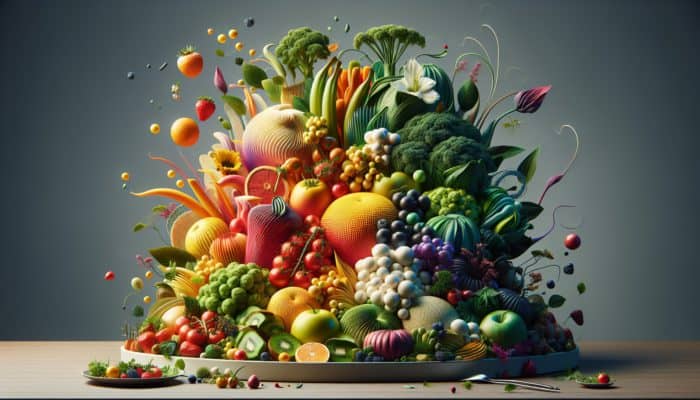
Focusing on presentation significantly enhances the dining experience by making food visually appealing and inviting. A beautifully presented meal can encourage guests to return for seconds and provide positive feedback, effortlessly elevating any social event. Attention to presentation shows guests that their enjoyment is a priority, fostering an atmosphere of care and thoughtfulness.
To enhance your presentation, consider these strategies:
1. Utilise Colour: Incorporate a vibrant assortment of fruits and vegetables to create visually stimulating dishes.
2. Plate Creatively: Take the time to plate food thoughtfully, using height, layering, and strategic arrangements to create an inviting display.
3. Garnish Thoughtfully: Fresh herbs, citrus zest, or edible flowers can add a finishing touch that enhances a dish's overall appearance.
4. Select Attractive Serving Vessels: Choose appealing platters or bowls that complement the meal, enhancing the overall dining atmosphere.
By prioritising presentation, hosts can craft a memorable dining experience that leaves a lasting impression on their guests.
How Can You Adapt Recipes for Specific Dietary Needs?
When selecting recipes for large groups, it is vital to consider common dietary requirements. By including gluten-free, vegan, or allergen-free options, hosts can ensure inclusivity and enhance the enjoyment of the event for everyone. Adapting recipes does not need to be complicated; often, straightforward modifications can suffice.
– Gluten-Free Adjustments: Use gluten-free grains like quinoa or rice, and substitute traditional flours with alternatives such as almond or coconut flour.
– Vegan Substitutions: Replace animal proteins with plant-based options like chickpeas, lentils, or tofu, and use cashew cream or coconut milk in place of dairy.
– Allergen-Free Alternatives: Clearly label dishes containing common allergens and provide alternatives, such as nut-free dressings or dairy-free cheeses.
– Flexible Recipes: Choose recipes that can be easily modified based on dietary needs, such as stir-fries or salads where ingredients can be swapped without affecting the overall dish.
By making thoughtful adjustments, hosts can create a welcoming atmosphere that caters to all guests, ensuring an enjoyable and stress-free gathering.
What Techniques Should Be Utilised for Scaling Recipes to Larger Quantities?
For large gatherings, selecting recipes that scale effectively without compromising taste or quality is essential. Focus on adjusting ingredients proportionately to avoid issues such as over-seasoning, enabling hosts to prepare ample servings efficiently. Here are practical strategies to consider:
– Understand Ratios: Familiarise yourself with the ratios of ingredients in your favourite recipes, allowing for easier scaling.
– Batch Cooking Techniques: Cook large batches of components, such as sauces or grains, separately, then combine them just before serving to maintain freshness.
– Taste as You Go: When scaling up, frequently taste your food to accurately adjust seasoning, ensuring that larger quantities maintain the desired flavour.
– Utilise Storage Effectively: Plan for leftovers by preparing dishes that store well, allowing hosts to enjoy the benefits of their efforts beyond the event.
Implementing these techniques helps maintain the quality and flavour of meals while effectively catering to larger groups.
Expert Insights for Crafting Exceptional Recipes for Feeding a Crowd
What Strategies Do Culinary Experts Recommend?
Professional chefs often share invaluable insights into batch cooking and flavour layering. Integrating their techniques can optimise results, leading to delicious meals for large gatherings. One effective method is to prepare foundational components in advance, such as sauces, proteins, and grains, which can be combined just before serving for maximum freshness.
– Batch Cooking: This involves preparing substantial quantities of food at once. For instance, slow-cooking a large pot of chili allows flavours to meld over time, enhancing the overall taste.
– Flavor Layering: Begin with a flavour base, such as sautéed onions and garlic, then progressively add ingredients while tasting. This approach ensures balanced flavours, which are crucial for crowd-pleasing dishes.
– Smart Storage: Use airtight containers to preserve prepped ingredients, labelling them for easy access during busy cooking sessions.
– Pre-Prep Steps: Engage in preparatory tasks like chopping vegetables or marinating proteins a day before to alleviate pressure on the event day.
By adopting these expert strategies, hosts can streamline their cooking processes and deliver impressive results that satisfy large groups.
What Common Pitfalls Should Be Avoided When Cooking for a Crowd?
When preparing meals for a crowd, certain common mistakes can detract from the overall experience. Overcomplicating recipes or underestimating quantities can lead to frustration and disappointment. Here are strategies to maintain quality and enjoyment throughout the preparation process:
– Avoid Overcomplication: Stick to recipes that have proven successful and familiar. Complicated techniques or unfamiliar dishes can heighten anxiety and lead to errors.
– Estimate Accurately: Always prepare extra servings when uncertain about quantities. It is better to have leftovers than to risk running out of food.
– Test Recipes: If trying new recipes for the first time, conduct a trial run ahead of the event. This practice will reveal any adjustments needed before large-scale preparation.
– Delegate Tasks: Involve friends or family members to share the workload. This approach not only alleviates pressure but also fosters a fun and collaborative atmosphere.
Being aware of these potential pitfalls enables hosts to create a more enjoyable cooking experience, leading to successful gatherings.
How Can You Ensure Nutritional Balance When Preparing Large Servings?
Incorporating healthy elements such as vegetables and proteins is crucial when preparing meals for large groups. A well-balanced dish not only satisfies but also appeals to all participants. Consider the following nutritional guidelines to elevate your crowd-feeding recipes:
– Incorporate Whole Foods: Utilise grains, legumes, and lean proteins as the foundation for meals. This ensures a nutrient-dense offering.
– Add Variety: Include a range of colourful vegetables to enhance both nutritional value and visual appeal, making the dish more enticing.
– Healthy Fats: Incorporate sources of healthy fats like avocados, nuts, or olive oil to enrich meals without overwhelming calories.
– Mind Portion Sizes: While feeding a crowd, consider appropriate portion sizes to prevent food waste and promote healthier eating habits.
By emphasising nutritional balance, hosts can create meals that are both delightful and health-conscious, ensuring that all guests leave satisfied.
What Effective Strategies Can Be Employed for Adapting Recipes to Dietary Restrictions?
Customising crowd-feeding recipes to accommodate dietary needs is vital for inclusivity. Whether catering to gluten-free, vegan, or allergen-free options, hosts can ensure everyone feels welcome and included. Here are practical strategies from specialists to maintain flavour while enhancing overall appeal for diverse groups:
– Master Substitutions: Familiarise yourself with common substitutions. For instance, use flaxseed meal mixed with water as an egg replacer in baking for vegan guests.
– Create Build-Your-Own Stations: Encourage guests to customise their meals, such as taco bars or grain bowls, allowing for various combinations while catering to all preferences.
– Label Clearly: Clearly mark dishes that contain allergens or dietary considerations, helping guests make informed choices.
– Experiment with Flavours: Use bold spices and herbs to enhance flavour in modified dishes, ensuring they are just as appealing as their original counterparts.
By implementing these inclusive practices, hosts can create a welcoming environment where everyone can enjoy the meal, regardless of dietary restrictions.
What Budget-Friendly Recipe Choices Are Ideal for Large Gatherings?
Selecting cost-effective ingredients and recipes for large gatherings is essential for hosts looking to balance affordability with quality. Here are insights from experts to maximise budgets while delivering flavourful results:
– Plan Ahead: Create a menu that utilises seasonal ingredients, which are often cheaper and fresher, ensuring maximum flavour without excessive costs.
– Buy in Bulk: Purchase staple items in bulk, such as rice, pasta, or canned goods, to save money while ensuring adequate supply for large quantities.
– Simple Ingredients: Focus on recipes that rely on a few, high-quality ingredients, as they can often deliver exceptional results without excessive spending.
– Repurpose Leftovers: Plan meals that creatively utilise leftovers, such as transforming a roast into sandwiches or casseroles, preventing waste and stretching budgets further.
Utilising these budget-friendly strategies allows hosts to create delightful, satisfying meals while keeping costs manageable, making large gatherings enjoyable for all.
What Key Preparation Strategies Ensure Successful Meal Planning?
What Steps Guarantee Efficient Meal Preparation?
Efficient meal preparation serves as the backbone of successful crowd feeding. By organising ingredients in advance, using timers for cooking phases, and maintaining cleanliness throughout the cooking process, you can significantly reduce chaos. Begin by creating a prep list that outlines each dish's required ingredients, facilitating streamlined shopping and clear organisation.
Implementing a timeline is crucial; allocate specific times for each stage of cooking to ensure you won’t feel overwhelmed at the last minute. Cleaning as you go not only keeps the workspace tidy but also makes post-cooking cleanup far more manageable. By adopting these practices, you can ensure a smoother cooking experience that culminates in a successful gathering.
How Does Timing Impact the Success of Meal Preparation?
Timing plays a pivotal role in the success of large meal preparation, particularly when aligning recipes with serving times. Properly scheduling dishes prevents them from cooling or overcooking, guaranteeing that flavours remain vibrant and guests are impressed.
Effective timing strategies include:
– Staggered Cooking: Begin with items that require the longest cooking times, such as roasts or stews, allowing them to cook while you prepare quicker items.
– Use of Timers: Employ timers for each cooking phase to avoid distractions and ensure nothing gets overcooked or forgotten.
– Final Assembly Timing: Plan to assemble dishes just before serving. For example, combining salads or garnishing main courses at the last moment preserves freshness.
– Cooling Considerations: Be mindful of cooling times for items that need to be served chilled, such as desserts or salads, ensuring they are ready just in time.
By mastering timing, hosts can create an organised kitchen environment that enhances the overall dining experience.
What Essential Tools Simplify Cooking for Large Gatherings?
Utilising essential kitchen tools can greatly simplify cooking for large gatherings. Investing in items like large pots, mixers, and food processors ensures efficiency without unnecessary expense. Here’s a list of must-have tools for any large-scale cooking:
– Large Stockpots: Ideal for soups, stews, or pasta, these pots allow for cooking substantial quantities with ease.
– Slow Cookers: Perfect for batch cooking, slow cookers enable flavours to develop over time while freeing up space on the stovetop.
– Food Processors: Speed up prep work by chopping, slicing, or grating ingredients quickly, reducing overall cooking time.
– Quality Utensils: Invest in good knives and cutting boards, as they facilitate smoother preparation and can save time in the long run.
Equipping your kitchen with these essential tools enhances efficiency and streamlines the cooking process, ultimately ensuring a successful gathering for all involved.
Research-Backed Benefits of Preparing Recipes for Large Groups
What Advantages Do Group-Friendly Dishes Provide?
Group-friendly dishes offer numerous advantages, including cost savings and reduced waste through smart scaling. Implementing these practices can lead to significant benefits in your daily routines.
For instance, preparing large quantities of food can lower costs by minimising the need for individual servings. Moreover, when meals are planned thoughtfully, the risk of excess food waste decreases. Strategies such as designing menus based on seasonal ingredients or creatively utilising leftovers can promote more sustainable practices, benefiting both your budget and the environment.
Additionally, gathering around shared meals fosters social bonds, enhancing the overall experience and creating cherished memories among all participants.
What Evidence Supports the Use of Simple Recipes?
Research indicates that straightforward cooking methods enhance participation and enjoyment, leading to better overall outcomes. Studies reveal that when cooks opt for simpler recipes, they are more likely to engage in the cooking process and enjoy it, making them more inclined to host gatherings.
Easy recipes often require less preparation time, allowing hosts to concentrate more on their guests rather than becoming overwhelmed by complicated techniques. This simplicity boosts confidence in novice cooks and encourages more frequent gatherings, helping to fortify community ties and relationships over shared meals.
What Long-Term Benefits Arise from Planning Ahead?
Establishing habits that facilitate meal preparation for groups can yield significant long-term rewards. Research supports that planning ahead reduces stress and promotes social bonding among participants. By creating routines that encompass meal prep, hosts can cultivate a sense of organisation that enhances the overall experience.
Consider scheduling regular meal prep sessions, allowing for easier execution during busy periods. These practices encourage hosts to explore new recipes and flavours while fostering connections with family and friends, ultimately enriching their social lives and enhancing overall well-being.
How Can Nutritional Enhancements Be Made for Group Meals?
Research shows that crowd recipes can improve dietary variety and nutrient density. Highlighting wholesome ingredients supports family health while preventing nutritional deficiencies. By incorporating a range of proteins, grains, and vegetables into large meals, hosts can ensure a balanced intake of essential nutrients.
Tips for selecting wholesome ingredients include:
– Seasonal Choices: Prioritise locally sourced, seasonal produce to enhance flavour and nutritional value.
– Whole Grains: Use whole grains instead of refined options for a more nutrient-dense meal.
– Variety of Proteins: Incorporate different protein sources like beans, legumes, and lean meats to diversify nutrient intake.
– Balanced Colours: Aim for a colourful plate, as a variety of colours often indicates a range of nutrients.
Encouraging sustainable eating practices promotes not only individual health but also community well-being, making meal preparation a holistic approach to dining.
What Is the Significance of Variety in Recipes?
How Can Diverse Flavours Be Integrated into Your Dishes?
Incorporating a range of flavours into crowd-feeding recipes is vital for keeping options exciting and engaging. By blending different tastes, hosts can cater to various preferences and make events more memorable. Start by exploring global cuisines that feature an array of spices and herbs, each providing unique flavour profiles that can elevate your dishes.
Utilise a combination of sweet, savoury, tangy, and spicy ingredients to enrich the overall experience. For instance, consider adding citrus zest to brighten dishes or using herbs like cilantro and basil to impart freshness. The objective is to create a symphony of flavours that entice guests to sample and explore, ensuring everyone discovers something they enjoy.
What Are the Benefits of Mixing Textures in Dishes?
Combining crunchy and smooth elements in dishes enhances their appeal and prevents monotony. Guests are more likely to engage fully in meals that offer a delightful range of textures, from crispy salad toppings to creamy dressings or sauces. This diversity not only keeps the palate intrigued but also contributes to an enjoyable eating experience for all.
To achieve this balance, consider mixing roasted vegetables with grains, adding nuts for crunch, or garnishing soups with crispy elements. Such combinations create a dynamic meal that feels satisfying and engaging, encouraging guests to relish every bite.
What Role Does Seasonality Play in Recipe Planning?
Adapting recipes to include available seasonal produce is vital for ensuring freshness and variety. Seasonal ingredients not only taste better but also sustain interest and guarantee high quality across preparations. When planning meals, consider the following seasonal tips:
- Research what’s in season in your region to maximise flavour and nutrition.
- Incorporate local produce into your menus, showcasing regional specialities.
- Experiment with seasonal herbs and spices to creatively enhance dishes.
- Plan your meals around seasonal festivals or holidays to elevate the dining experience.
By embracing seasonality, hosts can create meals that celebrate local culture while providing the freshest and most delicious offerings to their guests.
How Can Cultural Influences Enrich Recipe Variety?
Drawing inspiration from diverse cultural traditions enriches meals and fosters appreciation for global cuisines. This cultural influence introduces new ingredients and techniques, making dining experiences more vibrant and inclusive. When hosting gatherings, consider exploring various culinary styles, from Mediterranean to Asian, to create globally inspired dishes that tantalise the taste buds.
By embracing this variety, hosts can introduce guests to unique flavours and cooking methods, enhancing the richness of shared meals. This not only broadens palates but also encourages dialogue and connection around cultural backgrounds, transforming meals into shared experiences deeply rooted in tradition.
What Strategies Facilitate Nutritional Variety in Dishes?
Integrating a mix of nutrients from various food groups is crucial for promoting health and preventing boredom in meals. Ensuring recipes are both wholesome and exciting requires careful consideration of ingredient choices to cater to diverse dietary needs.
Start by including a range of proteins, whole grains, and colourful vegetables in each dish. Offering side options allows guests to customise their plates and ensures everyone has access to balanced nutrition. Additionally, experimenting with different cooking methods, such as roasting, grilling, or steaming, can enhance flavour while maintaining nutrient integrity.
By creating diverse, nutritionally balanced dishes, hosts can cater to different dietary needs and preferences while keeping the gathering enjoyable and satisfying for all attendees.
What Final Insights Should Be Considered for Recipe Planning?
What Key Recommendations Should Hosts Remember?
Successful meal preparation hinges on adaptability, ensuring that hosts can respond to varying circumstances or preferences. Effective planning, thorough ingredient organisation, and a focus on crowd-friendly recipes equip hosts to create enjoyable experiences for their guests without unnecessary stress. By prioritising flexibility, gatherings can evolve naturally, allowing hosts to concentrate on fostering connections rather than rigidly adhering to plans.
How Can You Enhance Your Recipe Approach Over Time?
Evaluating ongoing improvements through feedback loops is essential for refining recipes over time. Encouraging guests to share their thoughts and preferences can provide invaluable insights into what works and what doesn’t. This iterative approach allows hosts to adjust menus and preparation techniques, ultimately leading to more successful gatherings in the future.
Consider maintaining a journal of favourite recipes and guest feedback to track preferences and gauge interest in new dishes. This practice not only improves meal quality but also fosters a sense of community around shared dining experiences.
What Are the Best Strategies for Creating Memorable Experiences for Guests?
Creating joyful atmospheres through thoughtful recipe choices fosters connections and leaves lasting impressions on guests. Beyond the food itself, consider the overall dining experience, including table settings and ambiance. Thoughtful touches, from beautiful centrepieces to carefully selected music, contribute to the experience and create an inviting atmosphere.
By focusing on these elements, hosts can cultivate memorable gatherings that resonate with participants long after the plates are cleared, building lasting friendships and cherished memories centred around shared meals.
Frequently Asked Questions
What Are Some Simple Crowd-Friendly Recipes to Experiment With?
Simple crowd-friendly recipes encompass one-pot pasta dishes, hearty casseroles, and salads that can be prepared in large batches, ensuring a variety of flavours without excessive complexity.
How Can I Effectively Adjust Recipes for Large Groups?
To scale recipes, determine the original servings and multiply each ingredient accordingly, ensuring you maintain balanced flavours while avoiding over-seasoning.
What Are Some Affordable Ingredients for Large Gatherings?
Affordable ingredients include rice, pasta, legumes, seasonal vegetables, and bulk proteins, which provide nourishment without breaking the budget.
How Can I Address Dietary Restrictions for My Guests?
To accommodate dietary restrictions, offer a variety of options, clearly label dishes, and provide alternatives like gluten-free grains or vegan proteins to ensure inclusivity for all guests.
What Cooking Tools Are Crucial for Preparing Large Meals?
Essential tools include large stockpots, food processors, slow cookers, and quality utensils that streamline preparation and enhance efficiency in the kitchen.
How Can I Enhance the Visual Appeal of Meals?
To improve visual appeal, incorporate colourful ingredients, plate dishes creatively, use garnishes, and select attractive serving dishes that invite guests to enjoy their meals.
What Are Some Popular One-Pot Meals for Large Groups?
Popular one-pot meals for crowds include chili, paella, jambalaya, and risottos, which allow for easy preparation and minimal cleanup while delivering flavourful results.
How Do I Ensure Nutritional Balance in Large Dishes?
Ensure nutritional balance by incorporating a mix of proteins, whole grains, and colourful vegetables, allowing for a variety of nutrients that cater to different health needs.
What Are Effective Strategies for Meal Prep Efficiency?
Strategies for meal prep efficiency include organising ingredients ahead of time, using timers for each cooking phase, and cleaning as you go to maintain a tidy workspace.
How Can I Create a Fun Atmosphere During Meals?
Creating a fun atmosphere involves thoughtful recipe choices, engaging table settings, and incorporating interactive elements like build-your-own stations to promote guest participation.
Join the fun by visiting our Facebook page!
The post Best Recipes for Feeding a Crowd: Easy Ideas for Gatherings appeared first on https://cookinggods.com
The Article Recipes for Feeding a Crowd: Easy Gathering Ideas Was Found On https://limitsofstrategy.com