Discover the Comprehensive Health Benefits of Embracing a Flexitarian Lifestyle
Why Is Flexitarian Eating Considered an Exceptional Dietary Choice?
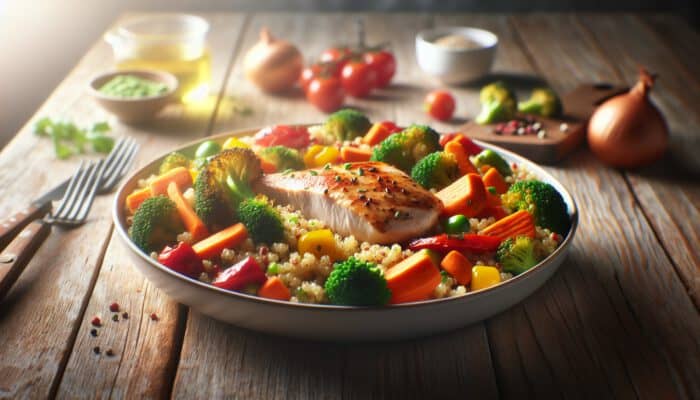
How to Cook for a Flexitarian Lifestyle: Adopting a flexitarian diet significantly boosts your overall health by promoting a balanced approach that seamlessly integrates plant-based foods with occasional servings of animal products. This mindful eating strategy encourages the consumption of nutrient-rich meals that can greatly enhance your energy levels and improve your overall satisfaction with food choices. For instance, a visually appealing meal could feature a delightful array of quinoa, roasted vegetables, and grilled chicken, offering a fulfilling and nourishing culinary experience that excites the palate.
This dietary philosophy prioritises wellness by allowing for flexibility, which can significantly enhance adherence and enjoyment. Unlike restrictive diets, a flexitarian approach encourages the exploration of diverse cuisines and flavours, ensuring that meals remain both nutritious and enjoyable. This enjoyment plays a vital role in developing sustainable eating habits that promote a healthier lifestyle over the long term, making it easier to stick to healthy choices.
Key Elements of a Well-Balanced Nutritional Plan
A flexitarian lifestyle strongly emphasises the inclusion of a diverse array of vegetables, fruits, and whole grains, establishing these food groups as the cornerstone of your dietary regime. The flexibility in protein sources allows for the creation of numerous nutritious meals that appeal to all tastes. By incorporating colourful vegetables such as bell peppers and leafy greens, individuals can significantly enhance their culinary creations while obtaining vital nutrients essential for optimal health.
Fundamentally, this dietary approach promotes long-term health by adapting to personal preferences and seasonal ingredients. By exploring global cuisines, one can craft delightful meals while focusing on nutritional benefits. Dishes like Moroccan chickpea stew or a Mediterranean grain bowl exemplify how enjoyable and adaptable healthy eating can be, ensuring that variety and pleasure are always present in your meals.
How Can You Identify Essential Nutrients for Optimal Health?
Recognising essential nutrients requires a focus on vital vitamins and minerals found in various food groups. Meals rich in vegetables, legumes, and whole grains provide critical nutrients that lay the foundation for a healthy lifestyle. For example, lentils serve as an excellent source of iron, while kale is packed with high levels of calcium and vitamin K, making it an essential component of a nutrient-dense diet.
Taking into account varied dietary preferences allows for the formulation of a diet that meets specific health requirements. Those in need of additional protein can easily incorporate nuts and seeds, while individuals focusing on vitamin intake may choose colourful fruits. The inherent adaptability of a flexitarian diet encourages delightful exploration of diverse foods that nourish both body and mind, fostering a healthy relationship with food.
What Are the Environmental Advantages of Adopting Flexitarianism?

Flexitarianism provides noteworthy environmental benefits by reducing meat consumption, which is crucial in decreasing greenhouse gas emissions. With a lower demand for meat, valuable water resources are preserved, promoting sustainable farming practices that enhance biodiversity. This dietary flexibility encourages individuals to make conscious food choices that positively impact the planet and its ecosystems.
By embracing a flexitarian lifestyle, individuals enhance their personal health while contributing to a healthier planet. Increasing the intake of plant-based meals can collectively lead to a significant reduction in carbon footprints. This approach enables people worldwide to align their eating habits with broader ecological objectives, making it a compelling and responsible choice in today's environmentally conscious society.
What Essential Techniques Can Elevate Your Meal Preparation?
Employing effective meal preparation techniques is fundamental for successful flexitarian cooking. Start with simple methods such as steaming or grilling to retain the natural flavours of your ingredients, ensuring your meals are both nutritious and satisfying. These techniques are particularly beneficial for busy individuals, enabling quick yet varied meal creations that maintain high quality and taste.
Additionally, prepping vegetables in advance can save significant time during the week, facilitating effortless meal assembly. For example, roasting a batch of seasonal vegetables can serve as a versatile base for salads, grain bowls, or side dishes. Emphasising these techniques builds confidence in the kitchen, empowering cooks to experiment with new recipes without feeling overwhelmed by the process.
What Kitchen Tools Are Indispensable for Flexitarian Cooking?

Equipping your kitchen with the right tools significantly enhances your cooking experience. Essential items such as sharp knives, sturdy pans, and durable cutting boards streamline the preparation of fresh ingredients, elevating the overall quality of your meals. Investing in versatile cookware that supports various cooking methods ensures efficiency and sparks creativity in the kitchen.
Moreover, gadgets like blenders for smoothies or food processors for chopping can drastically reduce preparation time, making healthy cooking accessible and enjoyable for everyone. A well-equipped kitchen fosters an environment where experimenting with new recipes becomes an exciting adventure, rather than a daunting task, thereby promoting a sustainable flexitarian lifestyle.
Why Should You Emphasise Plant-Based Options in Your Diet?
Prioritising plant-based options enriches your diet with diversity, presenting delightful alternatives that enhance overall well-being. Incorporating more plant-based meals increases your nutritional intake, simplifying the process of adopting balanced eating habits. This transition can be as straightforward as opting for lentils instead of beef in a stew or exploring new grains like farro or quinoa.
By integrating plant-based options, individuals not only reap health benefits but also discover new flavours and textures that invigorate their meals. This approach is accessible, allowing for gradual adjustments that seamlessly fit into daily routines. The experience of trying a new recipe or ingredient can rekindle a passion for cooking, encouraging ongoing experimentation in the kitchen and fostering a deeper connection with food.
How Does the Flexitarian Diet Function in Practice?
What Steps Can Facilitate a Smooth Transition?
Transitioning to a flexitarian diet can be an effortless process by implementing small, manageable changes. Begin by substituting one meat-based meal each week with a plant-focused alternative, gradually establishing a routine that feels organic and sustainable. This method allows for the incorporation of new flavours while maintaining motivation in your dietary choices.
As the weeks progress, consider increasing the number of plant-based meals and experimenting with various ingredients to keep your diet engaging and exciting. For example, if your usual meal is a chicken stir-fry, try substituting tofu or tempeh instead, paired with a vibrant array of vegetables. This gradual approach minimises overwhelm and promotes lasting health improvements over time.
What Common Challenges Might You Encounter and How Can You Overcome Them?
Common challenges when adopting a flexitarian diet include concerns about flavour and ingredient availability. To tackle flavour issues, experimenting with herbs and spices can dramatically enhance your dishes. For instance, replacing salt with fresh herbs such as basil or thyme can infuse your meals with a burst of flavour while maintaining health benefits.
Additionally, exploring local markets or seasonal produce can provide fresh ingredients, making meal preparation both exciting and flavourful. Emphasising creativity in the kitchen helps sustain engagement, ensuring the transition remains enjoyable and effective. By proactively addressing these hurdles, individuals can maintain lifestyle changes and relish the rewarding journey of flexitarian cooking.
What Daily Meal Patterns Should You Establish?
Structuring daily meals around balanced portions fosters a rhythm that supports energy levels throughout the day. For example, incorporating a hearty breakfast, a nutritious lunch, and a light dinner helps maintain stable energy. A typical meal pattern might include whole grains and protein for breakfast, a fresh salad for lunch, and a vegetable stir-fry for dinner, ensuring a variety of flavours and nutrients.
Incorporate variety to prevent monotony; consider rotating different proteins and grains throughout the week. This strategy not only keeps meals engaging but also enhances adherence to the flexitarian lifestyle. For optimal meal timing, aim to eat at regular intervals, such as breakfast at 8 a.m., lunch at 12 p.m., and dinner at 6 p.m., to maintain balanced nutrition throughout the day.
How Can You Achieve Nutritional Balance in Your Flexitarian Meals?
Nutritional balance in flexitarian meals revolves around integrating nutrient-dense plant foods while permitting occasional meat consumption. This equilibrium supports heart health, aids in weight management, and helps prevent chronic diseases. A well-rounded plate should include an assortment of vegetables, fruits, whole grains, and proteins to ensure essential vitamins and minerals are consumed effectively.
For instance, a traditional dinner might feature a base of quinoa topped with sautéed spinach, roasted sweet potatoes, and grilled chicken. This combination provides a wealth of nutrients while satisfying diverse taste preferences. Including legumes and nuts can also enhance protein content without relying solely on animal products, making meals more varied and satisfying for everyone involved.
What Strategies Can Ensure Long-Term Success with Flexitarianism?
To maintain a flexitarian lifestyle, setting realistic goals and tracking your progress is crucial. Celebrating small victories, such as successfully preparing a new recipe or adding another plant-based meal, builds motivation and reinforces commitment. Engaging in enjoyable activities like cooking classes or food festivals can introduce new ideas and techniques, further enhancing your culinary skills and knowledge.
Seeking community support through local groups or online forums offers additional encouragement. Sharing experiences and recipes with others helps overcome obstacles and fosters a sense of belonging. This collaborative approach not only reinforces commitment but also cultivates lasting health benefits through adaptable eating habits, making the flexitarian lifestyle more enjoyable and sustainable.
Expert Insights on Cooking for a Flexitarian Lifestyle
How Can You Adapt Recipes for Plant-Based Cooking?
Advanced recipe adaptations enable you to creatively modify traditional dishes by focusing on plant-based ingredients while ensuring meals remain delicious and satisfying. For instance, consider transforming lasagna by using zucchini noodles instead of pasta and incorporating lentils in place of ground meat. This not only creates a nutritious alternative but also maintains the essence of a beloved dish that many enjoy.
Moreover, experimenting with flavour profiles can elevate your meals, allowing for personal touches that make each dish unique. Techniques such as roasting vegetables to enhance their natural sweetness or employing various cooking methods can improve taste without sacrificing health benefits. Exploring global cuisines can introduce new ingredients and cooking styles, making the journey of flexitarian cooking an exciting adventure.
What Advantages Do Seasonal Ingredients Offer?
Utilising seasonal ingredients significantly boosts the flavour and nutritional value of your meals. Fresh produce typically contains more nutrients than out-of-season options, providing superior taste and health advantages. For example, summer brings an abundance of tomatoes and cucumbers, perfect for refreshing salads, while autumn introduces hearty squash and root vegetables, ideal for warming dishes that comfort the soul.
To maximise the benefits of seasonal ingredients, consider planning meals around local harvests. Visiting farmers' markets or participating in a community-supported agriculture (CSA) programme ensures a steady supply of fresh produce. This practice not only supports local farmers but also encourages creative cooking as diverse ingredients become available throughout the year, leading to enhanced culinary experiences.
How Can You Amplify Flavours in Your Dishes?
Enhancing flavours is essential in flexitarian cooking, and techniques like layering spices can significantly improve your dishes. Start by incorporating a base of aromatic ingredients such as onions and garlic, which provide the foundation for many cuisines. Following this, consider adding spices such as cumin, paprika, or turmeric to add depth and complexity to your meals.
- Fresh herbs (e.g., basil, parsley)
- Spices (e.g., cumin, coriander)
- Citrus zest (e.g., lemon, lime)
- Umami boosters (e.g., mushrooms, nutritional yeast)
- Hot sauces (e.g., sriracha, harissa)
- Vinegars (e.g., balsamic, apple cider)
For instance, adding a splash of balsamic vinegar to roasted vegetables can elevate a simple side dish, infusing it with a rich, tangy flavour that excites the palate. These techniques not only make meals more appealing but also encourage a deeper appreciation for the art of cooking, enhancing the overall dining experience.
Proven Techniques for Cooking Within a Flexitarian Framework
How Can You Establish a Versatile Pantry?
A well-stocked pantry is essential for versatile cooking, enabling creative and healthy meal preparation. Focus on stocking staples such as whole grains, legumes, canned tomatoes, and a variety of spices. These ingredients serve as the foundation for countless dishes, making healthy cooking accessible and enjoyable for everyone.
Incorporating a selection of nuts, seeds, and dried fruits can further enhance the nutritional profile of meals, providing convenient options for snacking or adding to salads. Aim for a balance of flavours, textures, and colours in your pantry to inspire creativity and experimentation in the kitchen. This approach empowers individuals to whip up nourishing meals with minimal effort, ensuring ongoing success in maintaining a flexitarian lifestyle.
What Strategies Facilitate Family Meal Integration?
Adapting recipes for family meals is crucial to ensure that everyone benefits from nutritious options. Focus on creating shared dishes that cater to varying taste preferences, allowing for flexibility in serving styles. For example, a taco night can feature an assortment of fillings, enabling family members to customise their meals according to their individual tastes and dietary needs.
By incorporating both plant-based and animal protein options, everyone can enjoy the advantages of a flexitarian diet while fostering harmony at mealtime. Involving your family in meal preparation can also spark interest in healthy eating, transforming it into a fun and engaging experience for all involved. This collaborative effort strengthens family bonds and nurtures a collective commitment to healthier living.
What Key Elements Enhance Meal Satisfaction?
Enhancing meal satisfaction revolves around achieving a balance between taste and nutrition, keeping meals engaging and enjoyable for all. This can be accomplished by exploring flavour combinations that appeal to the senses. For instance, pairing sweet roasted vegetables with tangy dressings creates a delightful harmony in a dish, enhancing the overall dining experience.
Additionally, incorporating a variety of textures, such as creamy avocado with crunchy nuts, keeps meals interesting and exciting. By ensuring that each meal is visually appealing and flavourful, individuals are more likely to maintain interest in their dietary practices. This attention to detail not only promotes satisfaction but also reinforces positive outcomes in daily eating habits, encouraging a long-term commitment to a flexitarian lifestyle.
What Are the Extensive Benefits of Flexitarian Cooking?
How Can Flexitarian Cooking Foster Long-Term Health Improvements?
Flexitarian cooking emphasises a diet rich in nutrient-dense foods, leading to enhanced vitality and improved health outcomes. By incorporating more plant-based ingredients while still enjoying occasional meat, individuals can promote effective weight management and reduce health risks associated with a variety of chronic diseases. This balanced approach proves to be a practical choice for long-term wellness, making healthy living more achievable.
Research indicates that diets high in fruits, vegetables, and whole grains are associated with lower rates of chronic diseases, including heart disease and diabetes. Flexitarian cooking aligns with these findings, promoting a lifestyle that prioritises overall health and longevity. By making conscious dietary choices, individuals can enrich their quality of life while relishing a diverse array of flavours and cuisines that nourish both body and spirit.
How Does Flexitarian Cooking Encourage Meal Variety?
Flexitarian cooking inherently promotes variety by encouraging the combination of proteins and plant-based options. This approach prevents dietary monotony and inspires culinary exploration. Trying new recipes, ingredients, and cooking techniques maximises meal variety, ensuring that the eating experience remains fresh and exciting for all.
For instance, experimenting with international cuisines can introduce a wealth of new flavours and ingredients. Incorporating Asian stir-fries, Mediterranean grain bowls, or hearty Indian curries creates a rich tapestry of tastes. This diversity nourishes the body while simultaneously keeping the mind engaged in the cooking process, reinforcing adherence to healthy eating habits and making mealtimes a delightful experience.
What Environmental Benefits Does Flexitarian Cooking Provide?
By emphasising plant-based options within meals, flexitarian cooking contributes to positive environmental changes. Simple shifts in dietary habits can lead to significant reductions in carbon footprints, aligning personal wellness goals with broader ecological initiatives. Adopting a flexitarian diet supports sustainable practices by promoting the consumption of local, seasonal produce.
By being mindful of ingredient sourcing and integrating more plant-based meals into your diet, individuals can make substantial contributions to a healthier planet. This alignment of personal health with environmental responsibility makes flexitarian cooking an appealing choice for those aiming to make a positive impact through their dietary decisions, fostering a sense of purpose in their eating habits.
Inspiring Recipe Ideas for Flexitarian Cooking
What Quick Breakfast Options Can Energise Your Day?
Starting your day with quick, nutrient-packed breakfast ideas sets a positive tone for healthy eating habits. Smoothies serve as an excellent choice; blend leafy greens, fruits, and a protein source like nut butter or yogurt for an invigorating start. Overnight oats also provide a fantastic option, allowing for creativity with toppings while delivering a hearty, satisfying meal that fuels your day.
- Mix rolled oats with milk or plant-based alternatives and let sit overnight for optimal texture.
- Top with fresh fruit, nuts, and a drizzle of honey or maple syrup for added flavour.
- Consider chia seed pudding for a protein-rich alternative that's easy to prepare.
- Experiment with various spices such as cinnamon or vanilla extract to enhance taste.
These breakfast ideas are not only easy to prepare but also energising for active routines, ensuring individuals feel revitalised and ready to tackle the day ahead with enthusiasm and vitality.
What Creative Lunch Combinations Can Sustain Your Energy?
Mixing grains and vegetables for satisfying midday meals can help sustain energy levels throughout the day. Consider crafting a grain bowl with a base of quinoa or brown rice, topped with roasted veggies, beans, and a zesty dressing. This not only delivers a balanced meal but also encourages experimentation with different flavours and textures that excite the palate.
Including proteins such as chickpeas or grilled tofu enhances the nutritional content and adds pleasing texture. Wraps filled with hummus, fresh vegetables, and greens provide another convenient option, making them easy to enjoy on the go. Keeping lunch fresh and fulfilling is essential for maintaining productivity and focus throughout the day, ensuring you remain energised and engaged.
What Dinner Variations Can Promote Nutritional Balance?
Utilising adaptable recipes for dinner encourages balanced, satisfying meals that support rest and recovery. Consider creating stir-fries that incorporate seasonal vegetables and a protein source, such as tofu or chicken, served over a bed of brown rice or whole grain noodles. This combination promotes a hearty yet light end to your day, providing nourishment without heaviness.
Another excellent option is to prepare a vegetable-rich curry served with quinoa; the spices not only enhance flavour but also provide therapeutic benefits. The key is to maintain balance while allowing flexibility in ingredient choices, ensuring that each dinner is both nourishing and enjoyable, catering to a variety of tastes and preferences.
What Nutritious Snack Options Can You Explore?
Exploring quick and healthy snacks can help maintain energy levels between meals. Fresh fruit paired with yogurt serves as a delicious and nutritious option, while veggie wraps filled with hummus or avocado offer satisfying flavours and textures that keep hunger at bay. Consider portion suggestions for optimal intake, such as two tablespoons of hummus paired with carrot sticks or cucumber slices for a delightful crunch.
Incorporating nuts or trail mix into daily snacking can provide valuable nutrients and healthy fats, ensuring you stay satiated and energised throughout the day. These portable snack ideas cater to busy lifestyles while ensuring that nutritional balance is upheld, making snacking an essential component of the flexitarian diet that supports your overall health goals.
How Can You Effortlessly Integrate More Plants into Your Meals?
What Are Some Simple Methods to Incorporate Greens?
Integrating greens into existing dishes is an easy and effective way to enhance nutrition. For example, adding spinach to smoothies or tossing kale into pasta dishes can significantly improve the overall health profile of your meals. These subtle adjustments can yield a substantial difference in your nutrient intake, contributing to a healthier lifestyle.
Another approach is to use greens as a base for salads or wraps, allowing for creativity in flavour and texture combinations. When cooking, consider incorporating collard greens into soups or stews, which not only adds nutritional value but also imparts a lovely depth of flavour that elevates the dish. The key is to make these additions habitual, ensuring a consistent intake of greens in your daily meals for optimal health benefits.
What Creative Substitutions Can You Make in Your Cooking?
Creatively swapping ingredients can enhance taste while increasing the plant content in your meals. For instance, replacing traditional pasta with spiralised zucchini not only reduces carbohydrate intake but also adds a fresh element to the dish that excites the palate. This simple substitution can transform your dining experience without compromising flavour.
Other substitutions could include using mashed avocado instead of butter on toast or employing aquafaba (the liquid from chickpeas) as an egg replacement in baking. These thoughtful changes allow for refined cooking skills, resulting in improved taste and nutrition while exploring new culinary avenues. Embracing these substitutions can significantly enhance your flexitarian cooking experience, making meals more enjoyable and varied.
What Challenges Might You Encounter When Adding More Plants?
Integrating more plant-based ingredients may present challenges, such as unfamiliarity with certain foods or preparation methods. To overcome these barriers, consider starting with small changes, like introducing a new vegetable each week. This gradual approach makes the process more approachable and effective for cooks of all skill levels, encouraging confidence in the kitchen.
Additionally, exploring various cooking techniques, such as roasting or sautéing, can make vegetables more appealing and exciting to prepare. Experimenting with different cuisines can also inspire new ways to incorporate plants into your meals, creating a vibrant and diverse culinary experience. By remaining open to experimentation and maintaining a positive attitude, individuals can easily navigate these challenges and enhance their meals.
Essential Tips for Success in Flexitarian Cooking
How Can You Maintain Motivation Throughout Your Flexitarian Journey?
Maintaining motivation over time is vital for long-term success in a flexitarian lifestyle. Set achievable goals that encourage steady progress, transforming cooking into an enjoyable habit rather than a chore. For instance, aim to try one new recipe each week to foster excitement and creativity in meal preparation, keeping the culinary experience fresh and engaging.
Engaging with a community, whether online or in person, can provide support and inspiration. Sharing experiences and challenges with others helps reinforce commitment and keep enthusiasm alive. Celebrating milestones, such as achieving a personal goal or mastering a new dish, further enhances motivation and encourages ongoing exploration in the kitchen, making the flexitarian journey a rewarding experience.
What Effective Methods Can You Use to Track Your Progress?
Monitoring your progress effectively can be accomplished through simple methods, such as maintaining a food journal or using mobile apps for meal planning. This practice allows for adjustments that reinforce positive outcomes and promote personal growth. By documenting meals and ingredients, individuals can identify trends, preferences, or areas requiring improvement in their dietary practices.
Additionally, regular check-ins on dietary goals can help maintain focus and momentum. Reflecting on achievements and challenges encourages a proactive approach to dietary changes, ensuring that individuals remain engaged and committed to their flexitarian journey while celebrating their successes.
Why Is Consistency Vital in Flexitarian Living?
Consistency is crucial for establishing lasting benefits within a flexitarian lifestyle. Building routines around meal preparation and planning ensures that healthy eating becomes a habitual practice rather than an occasional effort. This commitment enables individuals to overcome hurdles and sustain enthusiasm in their dietary choices, reinforcing their dedication to health.
- Designate specific days for grocery shopping to create a routine.
- Set aside time for weekly meal prep to streamline cooking.
- Incorporate diverse recipes to maintain interest and excitement.
- Engage with others over shared meals to build community support.
By reinforcing daily habits and fostering a sense of community, individuals can create a supportive environment that strengthens their commitment to a flexitarian lifestyle, leading to lasting health benefits and overall well-being.
Frequently Asked Questions About Flexitarian Living
What Is the Flexitarian Diet All About?
The flexitarian diet primarily emphasises plant-based foods while permitting occasional meat and animal products. It promotes flexibility and diversity, making it easier for individuals to enjoy nutritious meals without strict dietary restrictions, fostering a balanced approach to eating.
How Can I Start Embracing a Flexitarian Lifestyle?
Begin by incorporating more plant-based meals into your weekly routine. Start with one or two meatless meals each week, gradually increasing as you explore new recipes and flavours that align with your dietary preferences.
What Are Some Easy Flexitarian Meal Ideas to Try?
Consider straightforward options such as grain bowls, vegetable stir-fries, or hearty salads. Incorporate a mix of grains, legumes, and seasonal vegetables for variety and nutrition, ensuring each meal is both satisfying and healthy.
Is Meat Consumption Allowed on a Flexitarian Diet?
Yes, flexitarian diets allow for occasional meat consumption. The key is to prioritise plant-based foods while enjoying meat in moderation, focusing on high-quality sources whenever possible to maximise health benefits.
How Can I Ensure I Get Enough Protein on a Flexitarian Diet?
Incorporate a variety of plant-based protein sources such as beans, lentils, tofu, edamame, and quinoa into your meals. Adding nuts and seeds can also enhance protein intake without relying solely on meat, providing a balanced diet.
Can Flexitarianism Support Weight Loss Goals?
Flexitarianism can aid in weight loss by promoting the intake of nutrient-dense, lower-calorie foods. The focus on whole, plant-based ingredients encourages healthier choices that lead to more effective weight management over time.
How Can I Involve My Family in a Flexitarian Diet?
Encourage family participation by preparing meals together, experimenting with new recipes, and hosting fun cooking nights. Adapt recipes to cater to everyone’s tastes, ensuring that nutritious meals are enjoyable for all while fostering a sense of community.
Are There Any Potential Drawbacks to a Flexitarian Diet?
Some challenges include reducing meat-based meals or ensuring adequate nutrient intake. However, with proper planning and awareness of nutritional needs, these downsides can be effectively managed, allowing for a successful transition to a flexitarian lifestyle.
Can I Maintain a Flexitarian Diet While Dining Out?
Absolutely! Many restaurants now offer plant-based options, allowing you to enjoy meals that align with your flexitarian lifestyle. Look for dishes rich in vegetables, grains, and legumes on menus to find satisfying choices.
How Can I Stay Motivated on a Flexitarian Diet?
Establish achievable goals, monitor your progress, and celebrate small successes. Engage with a community for support and inspiration, making the journey enjoyable and encouraging long-term adherence to flexitarian cooking.
Join us on Facebook and say g'day!
The post How to Cook for a Flexitarian Lifestyle: Simple Recipes appeared first on https://cookinggods.com
The Article Flexitarian Lifestyle: Easy Cooking Recipes for Everyone Was Found On https://limitsofstrategy.com
The Article Flexitarian Cooking: Simple Recipes for All Tastes found first on https://electroquench.com