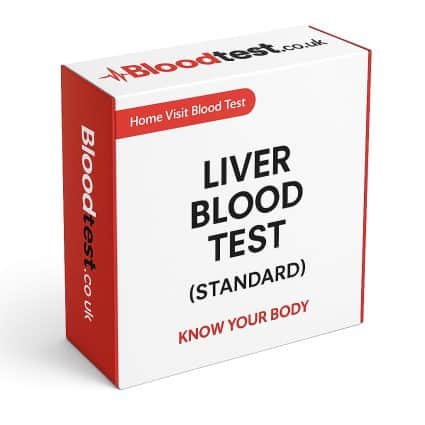
Discover Your Health: Comprehensive Insights into Liver Blood Tests
What Is Included in a Liver Blood Test?
Private Liver Blood Test in Ashford: A liver blood test is a vital diagnostic tool that measures proteins, enzymes, and various biomarkers in your bloodstream. This assessment allows healthcare professionals to gain a thorough understanding of your liver’s health and functionality. Such tests play an essential role in identifying various liver diseases, while also enabling ongoing monitoring of liver function to support your overall health and wellness.

By examining these critical components, healthcare professionals can evaluate how effectively the liver performs essential functions such as detoxification, protein synthesis, and bile secretion. Furthermore, a liver blood test can reveal signs of liver inflammation or damage, which may arise from conditions like hepatitis, fatty liver disease, or cirrhosis. Understanding these factors can empower you to take charge of your health.
The liver is central to many metabolic processes, making regular assessments of its health crucial for those with risk factors such as alcohol consumption, obesity, or a family history of liver disorders. Grasping the results of your liver blood test is essential for making informed health choices. Moreover, early detection of potential issues can significantly enhance outcomes for anyone facing liver-related health challenges.
What Are the Common Types of Liver Blood Tests Conducted?
Liver function tests encompass a wide range of specific evaluations, each targeting distinct aspects of liver health and functionality. Commonly performed tests include alanine aminotransferase (ALT), aspartate aminotransferase (AST), alkaline phosphatase (ALP), bilirubin, and albumin tests. Each of these tests provides unique insights into liver function, painting a comprehensive picture of your liver health.
- ALT: Primarily located in the liver, elevated ALT levels indicate possible liver cell damage.
- AST: Found in various tissues, increased AST levels may signal liver inflammation or injury.
- ALP: Elevated ALP levels could suggest bile duct obstruction or liver disease.
- Bilirubin: High bilirubin levels can lead to jaundice and may indicate liver dysfunction.
- Albumin: Low albumin levels might reflect chronic liver disease.
Each of these assessments provides crucial insights into liver function, collectively offering a well-rounded overview of liver health. Recognising the importance of these evaluations enhances your discussions with your healthcare provider about your liver health and potential concerns.
How Often Should You Undergo Liver Blood Tests?
The frequency at which you should have liver blood tests largely depends on your overall health and specific risk factors. Individuals already diagnosed with liver disorders or those with a family history of liver disease might require more frequent testing to closely monitor their condition. In contrast, individuals without identified risk factors may only need testing during routine health check-ups. A healthcare provider can help establish a tailored testing schedule that aligns with your individual health requirements.
For high-risk groups, including those with diabetes, obesity, or excessive alcohol consumption, regular liver function assessments are strongly advised. These evaluations aid in the early identification of liver damage, allowing for timely intervention. Additionally, consistent testing can help track the effectiveness of lifestyle changes or treatments aimed at enhancing liver health. Always consult your healthcare provider to develop a testing routine that is appropriate for your unique circumstances.
Essential Preparations for Your Liver Blood Test
What Preparations Should You Undertake Prior to the Test?
Proper preparation for a liver blood test is essential to ensure the accuracy of your results. Fasting is often required beforehand, typically for at least 8 hours. In addition, it is wise to avoid alcohol consumption for several days leading up to the test, as it can greatly affect the results. Certain medications may also need to be temporarily paused; adhering to any specific instructions from your healthcare provider is critical.
Being knowledgeable about these preparatory measures can help reduce anxiety and ensure a seamless testing experience. If you have any questions or uncertainties regarding the preparation process, do not hesitate to reach out to your healthcare provider for clarification. This proactive approach can enhance your confidence, allowing you to feel fully prepared for your liver blood test.
What Can You Anticipate During the Blood Test Procedure?
The process of conducting a liver blood test generally involves taking a small blood sample from a vein in your arm. This procedure is quick and typically causes minimal discomfort. A healthcare professional will first cleanse the area, apply a tourniquet to engorge the vein, and then insert a needle to draw blood into a vial. The entire procedure normally takes less than five minutes.
After obtaining the blood sample, it will be sent to a laboratory for detailed analysis. Laboratory personnel will examine the sample for various enzymes and proteins, which will provide valuable insights into your liver health. Familiarising yourself with the testing process can alleviate anxiety about blood tests, enabling you to focus on the results instead of fretting over the procedure itself.
What Occurs After the Blood Test?
Once your blood sample has been collected, it will be dispatched to a laboratory for thorough analysis, including tests aimed at assessing liver function. Typically, the results from liver blood tests are available within a few days, although this timeframe may vary depending on the facility. After the analysis, your healthcare provider will discuss the results with you, offering insights into your liver health and outlining any necessary subsequent actions.
In certain situations, abnormal results could lead to additional testing or lifestyle changes to address underlying issues. Your healthcare provider will guide you through the next steps and ensure you understand the implications of the results for your health. It is crucial to ask questions and express any uncertainties during this discussion, as these factors can significantly influence your health management and future decisions.
Interpreting Your Liver Blood Test Results
What Do Normal Liver Blood Test Results Signify?
Normal liver blood test results indicate that your liver is functioning optimally and typically fall within established reference ranges. However, these ranges may differ slightly among laboratories, making it crucial to discuss your specific results with your healthcare provider. Generally, normal levels of ALT, AST, and ALP suggest that no significant liver damage or disease is present.
Understanding what constitutes a normal range empowers you to take control of your health. For example, ALT levels are usually considered normal when below 40 units per litre; however, this threshold can vary based on age, gender, and other factors. Your healthcare provider can clarify the nuances of your results and help you understand their implications for your overall well-being.
What Do Abnormal Results Suggest About Liver Function?
Abnormal liver blood test results can indicate liver damage or disease. Elevated levels of specific enzymes or proteins may signal conditions that require further investigation. For instance, a markedly elevated ALT level might suggest acute liver injury, while an increased ALP could indicate cholestasis or bile duct obstruction.
Recognising the potential implications of abnormal results is crucial for timely intervention. Depending on the context of your results, your doctor may recommend additional tests, imaging studies, or referrals to specialists. It is essential to engage in these discussions with an open mind and a readiness to explore all available treatment options or lifestyle modifications that may be necessary.
How to Effectively Discuss Your Liver Blood Test Results with Your Doctor?
Preparing for a discussion about your liver blood test results can significantly enhance your understanding and decision-making process. Begin by noting down any questions or concerns you may have regarding the findings. Also, inform your doctor about any symptoms you might be experiencing or health changes that are troubling you. This proactive approach enables your doctor to provide tailored advice and appropriate follow-up actions.
Do not hesitate to inquire about the implications of the results for your current health, potential treatment options, or necessary lifestyle changes. Understanding your liver health is a collaborative effort, and maintaining open communication with your healthcare provider can significantly enhance your care. This dialogue enables you to make informed decisions regarding your lifestyle and health management moving forward.
What Lifestyle Modifications Can Enhance Liver Health?
Implementing lifestyle changes can greatly support liver function and improve overall health. Adopting a nutritious diet, minimising alcohol consumption, and engaging in regular physical activity are fundamental steps that can yield significant benefits for liver health. Discuss specific modifications with your doctor based on your test results, as personalised recommendations can provide the most effective guidance.
- Maintain a Balanced Diet: Focus on consuming a diet rich in fruits, vegetables, and whole grains to support liver health.
- Limit Processed Foods: Reduce intake of high-sugar and high-fat foods that can negatively impact liver function.
- Stay Hydrated: Drink ample water to aid the body’s detoxification processes and support overall health.
- Exercise Regularly: Aim for at least 150 minutes of moderate-intensity exercise each week to enhance liver and overall health.
- Avoid Alcohol: Minimise or abstain from alcohol consumption to prevent potential liver damage and maintain liver health.
By incorporating these changes into your daily routine, you can significantly bolster your liver health. Regular monitoring through liver blood tests can help evaluate the impact of these lifestyle adjustments, providing you and your healthcare provider with valuable insights into your progress and areas for improvement.
Expert Insights on Liver Blood Tests Available in Ashford
What Are the Most Common Liver Conditions Diagnosed?
Regular liver blood tests can unveil several prevalent liver conditions that may otherwise go unnoticed. Identifying these conditions promptly can lead to improved management and outcomes. The most commonly detected conditions include:
- Hepatitis: Inflammation of the liver, often caused by viral infections.
- Fatty Liver Disease: Accumulation of fat in the liver, which can lead to potential liver damage.
- Cirrhosis: Scarring of liver tissue, usually resulting from chronic damage due to various factors.
- Liver Cancer: Abnormal cell growth in the liver that poses significant health risks.
Identifying these conditions through liver blood tests allows for timely intervention and the development of appropriate treatment strategies. Early detection can greatly enhance the quality of life for affected individuals and reduce the risk of severe complications.
How Can Liver Blood Tests Enhance Health Outcomes?
Regular liver blood tests are crucial for improving health outcomes by monitoring liver function, facilitating early detection of issues, and informing treatment plans. For individuals with chronic liver conditions, these tests are vital for assessing disease progression and treatment effectiveness. They also help tailor lifestyle changes based on test results and individual health needs.
To maximise the benefits of liver blood tests, individuals can take actionable steps to enhance their lifestyle. This may include adopting a healthier diet, increasing physical activity, and adhering to prescribed medications. Consistent follow-ups with healthcare providers can help monitor progress and ensure timely adjustments to treatment plans as needed.
What Do Experts Recommend Regarding the Frequency of Liver Blood Tests?
Experts suggest determining the frequency of liver blood tests based on individual risk factors and overall health. For those with existing liver disease, or risk factors like obesity, diabetes, or a history of alcohol consumption, more frequent testing may be recommended. Conversely, individuals without risk factors may only require annual testing during routine health evaluations.
Understanding your personal health history and risk factors can significantly influence your testing frequency. Engaging in regular discussions with your healthcare provider about your liver health is essential for making informed decisions regarding the timing and types of tests necessary. This proactive approach ensures that potential issues are identified early, allowing for timely intervention when needed.
The Connection Between Lifestyle Choices and Liver Health
How Does Your Diet Influence Liver Health?
The relationship between diet and liver health is profound and essential. A balanced diet, abundant in fruits, vegetables, and whole grains, supports liver functionality and helps mitigate the risk of liver diseases. It is crucial to limit processed foods, added sugars, and unhealthy fats to prevent conditions such as fatty liver disease and other liver-related health issues.
Incorporating specific foods can also promote liver health. For example, foods rich in omega-3 fatty acids, such as fish and nuts, can aid in reducing liver inflammation. Additionally, antioxidants found in various fruits and vegetables help combat oxidative stress, thereby protecting liver cells from damage. Establishing a diet that prioritises these components can significantly enhance liver health over time.
- Include Leafy Greens: These help reduce fat accumulation in the liver and support overall liver health.
- Eat Fatty Fish: Rich in omega-3s, these are highly beneficial for maintaining liver health.
- Incorporate Nuts: A good source of healthy fats and antioxidants that support liver function.
- Consume Berries: High in antioxidants, they play a vital role in promoting liver health.
Can Regular Exercise Contribute to Improved Liver Function?
Engaging in regular physical activity is crucial for enhancing liver function. Exercise helps reduce liver fat accumulation and alleviate inflammation. It also supports overall health by managing weight, controlling blood sugar levels, and improving circulation—all critical factors closely linked to liver health.
For individuals at risk of liver disease or those with existing liver conditions, adopting a consistent exercise regimen can be particularly beneficial. Activities such as walking, cycling, and swimming are excellent options that promote cardiovascular health while supporting liver function. Setting achievable fitness goals can lead to sustainable changes that significantly enhance liver health in the long run.
What Are the Consequences of Alcohol Consumption on Liver Health?
Excessive alcohol consumption poses a serious risk to liver health, potentially leading to conditions such as fatty liver, alcoholic hepatitis, and cirrhosis. Alcohol can cause inflammation and damage liver cells, impairing the organ's ability to function effectively. Moderation or complete abstinence is essential for maintaining liver health, particularly for individuals with pre-existing liver conditions.
Understanding the impact of alcohol on liver health can motivate individuals to make informed choices regarding their drinking habits. For those who do consume alcohol, it is important to be aware of recommended limits and consider regular liver blood tests to monitor liver health. Engaging in open discussions with healthcare providers about alcohol consumption can provide additional insights and support for healthier lifestyle choices.
Understanding the Relationship Between Liver Blood Tests and Other Health Conditions
How Are Liver Blood Tests Connected to Diabetes Management?
Liver blood tests offer valuable insights into liver function for individuals with diabetes. Diabetes can adversely affect liver health by increasing the risk of fatty liver disease and liver inflammation. Regular testing is crucial for managing both diabetes and liver health, as it enables monitoring of liver function and identification of potential complications.
For those diagnosed with diabetes, maintaining a healthy lifestyle—including a balanced diet and consistent physical activity—is critical for supporting liver health. Participating in liver blood tests empowers individuals to make informed decisions about their health management strategies, ultimately reducing the risk of liver-related complications.
Can Liver Blood Tests Provide Insights into Heart Disease Risks?
While liver blood tests are not primarily intended to diagnose heart disease, they can yield useful information regarding liver function that may be affected by heart conditions. Elevated liver enzymes in blood tests can indicate liver stress stemming from heart disease. Recognising this connection underscores the importance of comprehensive health assessments that take both liver and heart health into account.
For individuals at risk of both liver and heart diseases, regular testing is advisable. Collaborating with healthcare providers to discuss the implications of liver blood test results can help develop a holistic approach to health management that addresses the needs of both organ systems.
What Other Health Issues Can Liver Blood Tests Reveal?
Liver blood tests can identify conditions beyond liver disease. These tests may uncover concerns related to thyroid disorders, certain infections, and autoimmune diseases, making them invaluable tools in comprehensive health assessments. Understanding the broader implications of liver blood tests empowers individuals to seek appropriate care for various health issues.
Recognising the interplay between liver function and other bodily systems can motivate proactive health management. Should abnormalities be detected, healthcare providers can recommend additional testing or referrals to specialists to effectively address underlying issues.
How Can Liver Blood Tests Provide Insights into Kidney Health?
Interestingly, liver blood tests can sometimes reveal abnormalities that may indicate kidney issues, considering the interconnected roles of the liver and kidneys. The liver filters toxins from the blood, and any impairment in liver function can increase strain on the kidneys. Consequently, liver blood tests can serve as an additional tool in assessing kidney health.
For individuals with existing kidney concerns or those at risk, understanding the potential connections between liver and kidney functions is vital. Regular monitoring through liver blood tests can provide valuable insights into the health of both organs, allowing for timely intervention when necessary.
Accessing Liver Blood Tests in Ashford
Where Can You Obtain a Liver Blood Test in Ashford?
If you reside in or around Ashford, liver function blood tests are accessible at various healthcare facilities, including hospitals, clinics, and private laboratories. Consulting your GP is typically the first step in obtaining a blood test for liver function. Your GP can recommend a suitable facility or schedule a direct appointment for you.
In Ashford, numerous private healthcare providers offer liver blood testing services, often with shorter wait times compared to NHS facilities. It is essential to explore your options and select a facility that meets your preferences for convenience and reliability.
What Are the Costs Associated with Liver Blood Tests in Ashford?
The cost of liver blood tests in Ashford can vary significantly depending on whether you opt for NHS services or private healthcare. NHS tests are usually free at the point of use for eligible patients, while private tests can range from £50 to £150 or more, contingent upon the specific tests conducted.
Discussing costs and coverage with your healthcare provider will assist you in making informed decisions regarding your testing options. Understanding your financial responsibilities upfront can alleviate any stress associated with the testing process.
What Are the Typical Waiting Times for Liver Blood Tests in Ashford?
Waiting times for liver blood tests in Ashford can vary by facility and the urgency of the tests. NHS services may experience longer waiting periods due to high demand, particularly in densely populated areas. In contrast, private facilities frequently provide quicker access to testing, with results typically available within 24 hours.
It is advisable to inquire about estimated waiting times when scheduling your blood test, especially if you have specific health concerns that require prompt attention. Knowing what to expect can help you plan accordingly and alleviate any associated anxiety.
Frequently Asked Questions About Liver Blood Tests
What is a liver blood test?
A liver blood test evaluates various substances in the blood to assess liver health and diagnose potential liver diseases.
How often should I undergo a liver blood test?
The frequency of testing depends on individual risk factors and health status. Consult your doctor for a personalised schedule that suits your needs.
What do normal liver blood test results typically indicate?
Normal results generally signify healthy liver function, with specific enzyme levels falling within established reference ranges.
What preparations should I undertake before a liver blood test?
You may need to fast for at least 8 hours prior to the test and avoid alcohol and certain medications as advised by your healthcare provider.
What occurs after a liver blood test?
Your blood sample will be analysed in a laboratory, and results are typically available within a few days. Your doctor will discuss the findings with you to provide insights.
Can liver blood tests detect liver disease?
Absolutely, liver blood tests can identify various liver diseases by measuring enzyme levels and other substances present in the blood.
What lifestyle changes can improve liver health?
Maintain a balanced diet, stay hydrated, exercise regularly, and limit alcohol consumption to support liver health effectively.
Are liver blood tests linked to diabetes?
Yes, liver blood tests can assist in monitoring liver function in individuals with diabetes, as diabetes can negatively affect liver health.
How can liver blood tests indicate kidney function?
Liver blood tests may reveal abnormalities that suggest kidney issues, given the interconnected functions of the liver and kidneys.
Where can I obtain a liver blood test in Ashford?
Blood tests for the liver are available at various healthcare facilities in Ashford, including hospitals, clinics, and private laboratories. Consult your GP for referrals.

Connect with us on Facebook!
This Article Was First Found On https://bloodtest.co.uk
The Article Liver Blood Test: Your Essential Guide in Ashford Was Found On https://limitsofstrategy.com