Discover the Comprehensive Range of Pregnancy Blood Tests Offered in Southampton
What is the main role of a pregnancy blood test in UK clinics?
Private Pregnancy Blood Test in Southampton: The primary objective of this test is to identify early signs of pregnancy by assessing human chorionic gonadotropin (hCG) levels within the bloodstream. This hormone is produced shortly after a fertilised egg successfully attaches to the uterine lining, rendering blood tests a highly dependable method for confirming pregnancy significantly earlier than conventional urine tests. The capability to detect pregnancy at such an early stage can be invaluable for women, allowing them to plan and prepare for their pregnancy journey proactively.
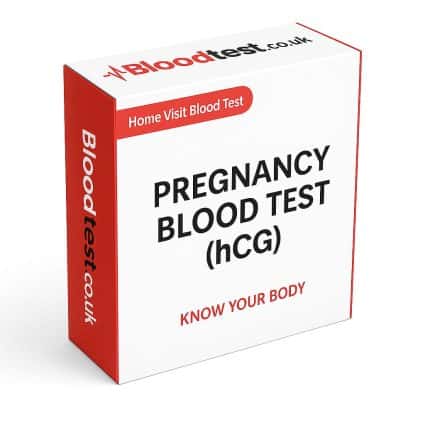

These tests play a crucial role in standard procedures within NHS services across the Southampton region, providing precise results within 1-2 days. This rapid turnaround allows for timely medical guidance and support, equipping women to manage the initial stages of pregnancy with assurance and ease. Early detection through blood tests can lead to better outcomes for both mother and child by facilitating early prenatal care and intervention.
Step-by-Step Overview of the Blood Testing Process
Obtaining a pregnancy blood test in Southampton is designed to ensure a straightforward and reassuring experience for all patients. Initially, a qualified healthcare professional will thoroughly explain the entire process, ensuring that patients feel informed and comfortable throughout. The test typically entails a simple blood draw from a vein in the arm using a sterile needle. This blood sample is subsequently placed in a vial and sent to a laboratory for comprehensive analysis. Most patients find that the entire procedure lasts less than 30 minutes, with minimal discomfort reported. Familiarity with these steps can significantly enhance individuals' preparedness and confidence when undergoing the test, making the experience smoother and less daunting.
Local Availability of Testing Services in Southampton
In Southampton, pregnancy blood tests are readily available through local GP surgeries and private laboratories. Many practices offer same-day appointments, ensuring that women can access prompt testing without unnecessary delays. This high level of accessibility is particularly advantageous within the NHS framework, dedicated to delivering comprehensive and immediate prenatal care. Consequently, women in Southampton can conveniently schedule a blood test, empowering them to make informed decisions about their pregnancy journey without enduring prolonged wait times, which can often lead to anxiety or uncertainty.
How Does a Pregnancy Blood Test Function in the UK?
Understanding the Scientific Techniques Behind Blood Sample Analysis
The analysis of a blood sample during a pregnancy blood test employs state-of-the-art laboratory techniques that measure specific hormone levels, primarily hCG. In Southampton, healthcare facilities utilise cutting-edge technology and methodologies to ensure the highest level of accuracy in results. When a pregnant woman’s blood is evaluated, the laboratory measures the concentration of hCG, which typically doubles every few days in early pregnancy. Not only does this confirm pregnancy, but it also provides crucial insights into gestational age. The dependability of this method has established it as the preferred choice for early pregnancy diagnosis across medical centres in Southampton, making it an essential service for expectant mothers.
What factors can impact the accuracy of test results?
Several factors can significantly influence the accuracy of a pregnancy blood test. Timing is of paramount importance; for optimal results, the test should ideally be conducted at least one week after a missed period, allowing sufficient time for hCG levels to rise. Additionally, individual differences, such as hormonal imbalances or certain medical conditions, can affect hormone levels and subsequently, test results. Adhering to the guidelines established by local health authorities in Southampton is crucial to ensuring the most reliable outcomes, as healthcare providers can offer personalised advice based on each patient’s unique circumstances, further enhancing the testing experience.
Effectively Understanding the Results of Your Test
Interpreting the results of a pregnancy blood test is a vital aspect of the process. In Southampton, healthcare providers are equipped to deliver clear explanations of results, ensuring patients comprehend the implications for their pregnancies. A positive result indicates the presence of hCG in the blood, thereby confirming pregnancy, whereas a negative result suggests the contrary. In instances of uncertainty or if testing occurs very early, additional follow-up tests may be recommended to monitor hCG levels over time. This comprehensive approach empowers patients with the necessary information to make informed decisions about their health and pregnancy.
Expert Insights on Pregnancy Blood Testing in Southampton
How do these tests promote early pregnancy detection?
The early identification of pregnancy through blood tests can have a significant impact on maternal and fetal health outcomes. Research from Southampton has shown that women who choose early blood tests frequently receive timely prenatal care, which greatly reduces the risk of complications such as ectopic pregnancies or hormonal imbalances. Early interventions lead to improved health outcomes for both mother and child by allowing healthcare providers to closely monitor and manage the pregnancy. Furthermore, early detection enables women to make informed choices regarding lifestyle changes and prenatal vitamins, ultimately supporting healthier pregnancies and better maternal care.
Advantages of Continuous Maternal Health Monitoring
The benefits of regular pregnancy blood tests extend well beyond merely confirming pregnancy. By closely monitoring critical health indicators, healthcare practitioners can continuously assess the mother’s well-being, providing peace of mind during a period that can often be filled with anxiety and uncertainty. Regular testing allows for early identification of potential issues, such as gestational diabetes or other complications, enabling timely intervention. This comprehensive approach to prenatal care is a hallmark of healthcare in Southampton, ensuring expectant mothers receive the extensive support they need throughout their pregnancy journey, fostering healthier outcomes for both mother and child.
Long-term Effects on Maternal Health Following Testing
Post-test care is crucial for ensuring long-term maternal health, particularly after undergoing a pregnancy blood test. Women in Southampton are encouraged to adhere to UK guidelines, which include regular check-ups and maintaining a healthy lifestyle. This proactive approach not only fosters a healthier pregnancy but also assists in preventing chronic health issues that may arise postpartum. The healthcare system in Southampton provides a range of resources and support, ensuring mothers remain informed and empowered throughout their journey, which is essential for their overall health and well-being.
Significant Benefits of Pregnancy Blood Tests
What Are the Financial Implications of Undergoing Testing?
Factors Affecting the Costs of the Test
The expenses associated with a pregnancy blood test in Southampton can fluctuate significantly based on whether the service is accessed via the NHS or through a private provider. NHS tests are usually subsidised, making them more economical for residents, while private clinics may impose higher fees for expedited services. Various factors can influence overall costs, including laboratory fees, the complexity of necessary tests, and whether additional consultations are required. Awareness of these variables can empower patients to make informed choices when seeking testing services, ensuring they choose the best option for their circumstances.
Are there Financial Assistance Options Through the NHS?
Yes, the NHS provides a variety of public health schemes that cover the costs associated with pregnancy blood tests, allowing women to access essential services without financial burden. In Southampton, expectant mothers can often receive these tests at no direct cost, especially when referred by a GP. This funding ensures that all residents have fair access to necessary prenatal care, reinforcing the NHS’s commitment to comprehensive healthcare. Patients are encouraged to inquire about available funding options when scheduling their tests to better understand their financial responsibilities.
Potential Hidden Fees to Consider
When investigating the costs of a pregnancy blood test, patients should remain vigilant for any hidden fees. These may include consultation fees, follow-up test charges, and additional costs for expedited services. Below is a list of potential extra charges to keep in mind:
- Consultation fees for initial assessments
- Follow-up appointments to discuss results
- Fees for any additional laboratory tests
- Charges for expedited test results
- Administration fees for paperwork and processing
Being informed about these potential costs can help patients budget effectively and avoid unexpected financial strain, ensuring a smoother experience throughout the testing process.
Research-Backed Benefits of Pregnancy Blood Tests in Southampton
Evidence from UK Studies Demonstrating the Effectiveness of Testing
Extensive research has substantiated the efficacy of pregnancy blood tests in improving pregnancy outcomes. National studies have indicated that early detection and monitoring via these tests significantly reduce complications and enhance maternal health. In Southampton, healthcare professionals leverage this data to advocate for early testing, emphasising its critical role in prenatal care. The evidence strongly suggests that timely interventions can lead to healthier pregnancies, highlighting the necessity for accessible testing services within the region to support expectant mothers.
How do these tests compare to alternative detection methods?
When assessing the accuracy of pregnancy blood tests against other detection methods, such as urine tests, blood tests consistently demonstrate superior reliability. Trials conducted across the UK have shown that blood tests can detect pregnancy earlier and quantify hCG levels with greater precision, providing healthcare providers with essential insights into fetal development. This comparative advantage underscores the role of blood tests as a vital component of prenatal care protocols in Southampton, ensuring women receive optimal monitoring throughout their pregnancies for the best possible outcomes.
Incorporating Testing into Routine Prenatal Care Practices
Integrating pregnancy blood tests into routine prenatal care is essential for maximising maternal and fetal health. Healthcare practitioners in Southampton recommend these tests as part of comprehensive check-ups to facilitate early detection of potential issues. The process typically involves scheduling tests at regular intervals to monitor hCG levels and assess the health of both mother and baby. Employing evidence-based practices not only enhances the effectiveness of prenatal monitoring but also instils confidence in expectant mothers regarding their health and the well-being of their unborn children, making this a vital aspect of pregnancy management.
Long-term Health Benefits Associated with Pregnancy Blood Tests
Research indicates that women who undergo pregnancy blood tests experience lasting health advantages, including a reduced risk of chronic conditions and improved developmental trajectories for their children. In Southampton, local studies reveal that these tests facilitate early interventions, which can have significant long-term health implications. Mothers who engage in regular testing are more likely to receive ongoing support and guidance, ultimately fostering healthier lifestyles and improving their health and that of their children. This underscores the importance of early engagement with healthcare services throughout pregnancy, ensuring the best outcomes for both mother and baby.
Essential Preparations for Your Pregnancy Blood Test
What Preparations Should Patients Undertake Before Their Testing?
Proper preparation for a pregnancy blood test can significantly enhance the accuracy of the results. Patients in the UK are advised to follow specific pre-test instructions, which may include fasting for a few hours prior to the appointment. Clinics in Southampton typically provide these guidelines to ensure the best possible outcomes. Additionally, confirming the appointment and addressing any preliminary questions can help individuals feel more at ease, paving the way for a smooth testing experience and alleviating any pre-test anxiety.
Common Preparatory Steps in UK Healthcare Settings
To facilitate a seamless appointment, patients are encouraged to consider the following preparatory steps:
- Confirm the date and time of the appointment
- Check if fasting is required
- Bring any necessary identification or referral documents
- Wear comfortable clothing for easier access to the arm
- Arrive at least 10 minutes early to complete any required paperwork
These preparatory measures can help alleviate stress and ensure a more efficient testing process, allowing patients to focus on their health and well-being while receiving the necessary care.
Dietary and Lifestyle Considerations Prior to Testing
Maintaining a healthy routine before a pregnancy blood test is vital for achieving optimal reliability. UK guidelines recommend a balanced diet rich in essential nutrients and adequate hydration to support overall health. Reducing caffeine intake and refraining from alcohol consumption can also enhance test accuracy, especially when the test involves hormonal measurements. By adopting these dietary and lifestyle adjustments, patients can improve their chances of obtaining reliable outcomes while simultaneously supporting a healthy pregnancy.
Are There Any Risks Linked to Testing?
Potential Side Effects Associated with the Procedure
The risks associated with a pregnancy blood test in the UK are minimal. Most patients experience only minor side effects, such as slight bruising or discomfort at the blood draw site. Healthcare facilities in Southampton adhere to protocols designed to minimise any discomfort, ensuring that patients feel secure throughout the procedure. Women should discuss any concerns with their healthcare provider prior to the test, which can help alleviate anxiety and contribute to a positive experience during this important process.
How Can Complications Be Minimised?
Minimising complications arising from a pregnancy blood test involves adhering to best practices recommended by healthcare experts. Before the test, patients should communicate openly with their healthcare provider about any health conditions or medications that may influence results. Furthermore, remaining calm and relaxed during the blood draw can help reduce anxiety and improve overall comfort. Following up with healthcare providers after the test can help address any concerns and ensure patients receive appropriate care if any issues arise, promoting a supportive healthcare experience.
When Should Follow-Up Care Be Requested?
If any concerns emerge after a pregnancy blood test, women in Southampton should promptly consult local healthcare providers. Standard protocols recommend follow-up care if symptoms such as excessive bleeding, severe pain, or unusual reactions occur. By remaining vigilant and proactive, patients can safeguard their health and receive the necessary interventions when required, ensuring a supportive healthcare experience and enhancing overall well-being during pregnancy.
Post-Test Procedures and Necessary Follow-Up
The Importance of Follow-Up Appointments in the UK
Post-test follow-up appointments are a critical aspect of ongoing prenatal care in Southampton. These reviews enable healthcare providers to monitor results and integrate them into the patient’s overall NHS care plan. Typically, follow-up appointments are scheduled within a few days of receiving test results, allowing healthcare professionals to discuss findings and outline any necessary next steps. This thorough approach ensures women receive continuous support and guidance throughout their pregnancy journey, which is vital for ensuring their health and that of their baby.
Effectively Managing Results and Determining Future Steps
Once the results of a pregnancy blood test are available, healthcare providers in Southampton assist patients in interpreting the outcomes. This step is crucial because it helps individuals understand the implications of their results for their pregnancy. Patients receive tailored advice on subsequent actions, which may include further testing, lifestyle modifications, or referrals for additional support, ensuring they feel empowered and well-informed about their health decisions and the next steps in their pregnancy care.
Available Emotional Support Resources for Patients
Recognising that pregnancy can be an emotionally charged journey, the UK offers a variety of resources for emotional support. In Southampton, counselling services are available to assist women grappling with anxiety or uncertainty during their pregnancy. These services create a positive experience by providing a safe space for women to discuss their feelings and concerns. Access to such resources is essential for comprehensive maternal care, ensuring that emotional well-being is prioritised alongside physical health during this significant life event.
The Importance of Keeping Health Records
In the UK, patients are encouraged to maintain their health records following a pregnancy blood test. This involves securely storing and sharing information with GPs and specialists to facilitate seamless ongoing care and improve health outcomes. By keeping meticulous records, women can track their health progress and collaborate effectively with their healthcare providers, which is particularly beneficial during the dynamic nature of pregnancy and essential for comprehensive care.
Guidance on Preventive Health Measures
After undergoing a pregnancy blood test, women in Southampton receive valuable guidance on preventive measures to enhance their overall well-being. This includes lifestyle adjustments such as adhering to a balanced diet, engaging in regular physical activity, and scheduling routine check-ups. Local health authorities actively support these initiatives, recognising the significance of proactive health management during pregnancy to minimise future risks and promote long-term wellness for both mothers and their children.
Frequently Asked Questions
What is a pregnancy blood test?
A pregnancy blood test measures hCG levels in the blood to confirm pregnancy, typically providing results more quickly and accurately than urine tests.
How soon can I take a pregnancy blood test?
Women can take a blood test approximately one week after a missed period for reliable results, as hCG levels require time to rise sufficiently for detection.
Where can I obtain a pregnancy blood test in Southampton?
Pregnancy blood tests are available at local GP surgeries and private laboratories throughout Southampton, often with same-day appointments for convenience.
Are there any risks involved with pregnancy blood tests?
Risks are minimal, with the most common side effects being minor bruising or discomfort at the blood draw site, which healthcare providers can easily manage and address.
How long does it take to receive results from a pregnancy blood test?
Results from a pregnancy blood test are generally available within 1-2 days, enabling timely decisions about prenatal care and further actions.
Can blood tests detect early pregnancy complications?
Yes, blood tests can help identify issues such as ectopic pregnancies or hormonal imbalances early on, enabling prompt medical intervention that is crucial for maternal and fetal health.
Is there a fee for pregnancy blood tests in the UK?
Costs vary; NHS tests are usually subsidised, while private tests may incur fees. It is advisable to check with the provider regarding potential costs associated with testing.
What should I do if my pregnancy blood test returns positive?
If the test is positive, schedule a follow-up appointment with your healthcare provider to discuss next steps and formulate a plan for prenatal care that best suits your needs.
How can I maintain my health after undergoing a pregnancy blood test?
Maintaining a healthy lifestyle, attending regular check-ups, and following your healthcare provider’s advice are key components of supporting your health during pregnancy and ensuring the best outcomes.
Are emotional support resources available during pregnancy?
Yes, various counselling services and support groups are available in Southampton to assist women with emotional challenges throughout their pregnancy journey, ensuring they receive holistic care.
Connect with us on Facebook!

This Article Was First Found On https://bloodtest.co.uk
The Article Pregnancy Blood Test: Essential Information for Southampton Residents Was Found On https://limitsofstrategy.com