Key Ingredients for Creating Delicious and Nutritious Soup Recipes
What Vegetables Can Elevate the Taste of Your Soups?
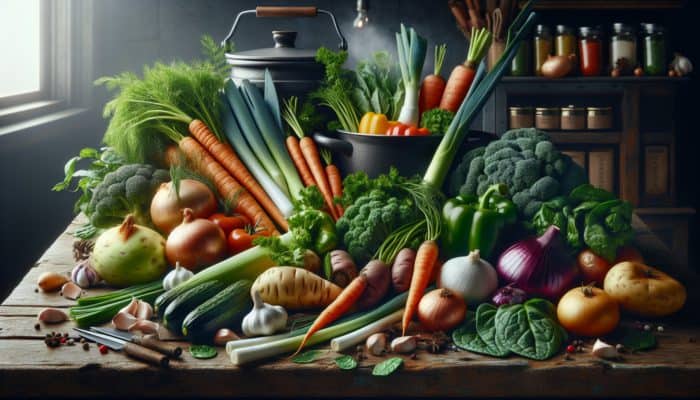
Incorporating fresh vegetables is absolutely essential for crafting soups that are both flavourful and nutritious. These wholesome ingredients enrich the soup's base with a variety of vital nutrients, transforming each bowl into a comforting experience that nourishes both body and soul. Classic combinations, such as carrots, celery, and onions, collectively known as mirepoix, create a fragrant foundation that envelops you in warmth and satisfaction. To deepen the flavour profile, consider adding aromatic garlic, leeks, or vibrant bell peppers. Root vegetables like parsnips and sweet potatoes can introduce a delightful sweetness, while leafy greens such as spinach and kale contribute not only vivid colours but also essential vitamins. By creatively combining these vegetables, you can elevate your culinary skills, ensuring that every soup crafted is both comforting and healthful.
How to Create Basic Stocks and Broths for Rich and Tasty Soups
A well-crafted stock or broth serves as the fundamental component for achieving a remarkable soup, providing a rich and flavourful base that enhances the overall taste experience. Investing your time in making homemade stock can significantly enhance your meal preparation by improving the flavours of your soups. Simply simmer bones or vegetables in water along with a selection of your favourite herbs for several hours, then strain the mixture to extract that deep, complex flavour. For those adhering to a vegetarian diet, a vegetable stock is a fantastic alternative, while chicken or beef stocks contribute hearty notes to more robust soup recipes. By preparing larger quantities of stock and freezing them in manageable portions, you will always have a flavourful base ready to transform your weeknight dinners from mundane to extraordinary with minimal effort and maximum satisfaction.
Which Herbs and Spices Can Transform Your Soups Into Culinary Masterpieces?
The inclusion of herbs and spices is paramount for enhancing your soup recipes, providing a wide array of flavours for you to explore and enjoy. A few strategic additions can elevate a simple broth to exquisite levels. Consider experimenting with the following options:
- Basil: Imparts a refreshing quality and complements tomato-based soups beautifully.
- Thyme: Brings an earthy tone, making it ideal for hearty vegetable or meat soups.
- Cumin: Adds warmth and an exotic flair, especially in lentil soups.
- Bay leaves: Provide subtle depth during cooking, particularly in slow-simmered soups.
- Chili flakes: Perfect for spice enthusiasts, delivering a pleasant heat to various recipes.
- Dill: Enhances creamy soups, enriching their overall freshness.
- Smoked paprika: Adds a smoky richness, elevating bean-based soups.
- Parsley: Brightens the dish and serves as a wonderful garnish.
Experimenting with these herbs and spices allows you to customise your soups, ensuring every meal is packed with flavour and numerous health benefits that make the dining experience even more enjoyable.
What Proteins and Legumes Can Add Heartiness to Your Soups?
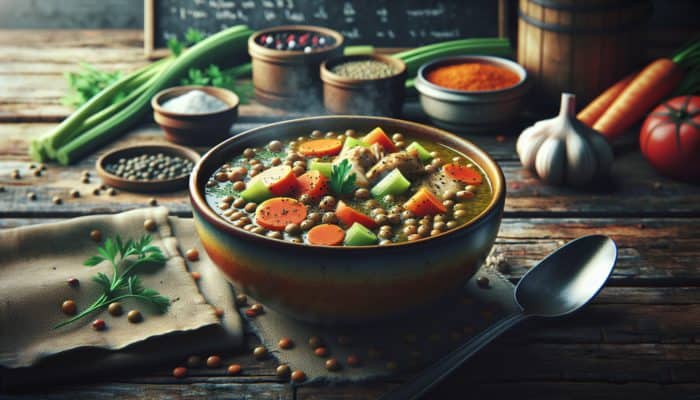
Incorporating proteins and legumes into your soups not only enhances their nutritional value but also transforms them into filling, hearty meals that satisfy your appetite. Lean meats such as chicken and turkey make excellent choices, offering a clean source of protein, while tofu serves as a versatile plant-based option. Pulses like lentils and beans are particularly beneficial due to their high fibre content and ability to absorb flavours, making them ideal for soup recipes. For instance, a nourishing lentil soup enriched with carrots and celery can be a comforting dish that warms both body and spirit, particularly on chilly days.
When sourcing these ingredients, prioritise fresh local produce. Farmers' markets often feature seasonal vegetables that can significantly enhance both the nutritional profile and flavour of your soup. Additionally, marinating proteins in herbs and spices overnight can intensify flavour and tenderise the meat, making it a standout addition to your soup and elevating the overall meal experience.
How to Select the Best Soups for Effective Meal Preparation?
What Key Factors Should You Consider for Hearty Soup Options?
Not all soups are created equal when it comes to meal prep. The best soups for this purpose are those that can withstand storage and reheating without sacrificing quality or flavour. Choose soups that are thick and ingredient-rich rather than thin broths, as they typically retain their texture better over time. Ingredients such as grains and legumes not only add substance but also aid in maintaining the soup’s integrity during storage. Furthermore, soups designed for reheating multiple times, like chili or minestrone, often improve in flavour after a day or two in the refrigerator, making them ideal candidates for meal preparation that will keep you satisfied throughout the week.
Additionally, think about how you will store and reheat your soups. Opt for recipes that are easy to portion and can be quickly reheated without compromising taste or texture. This consideration caters to your busy lifestyle while ensuring you can enjoy a delicious meal throughout the week without the need for extensive preparation each time.
Why Should You Prioritise Nutrient-Dense Recipes for Your Meals?
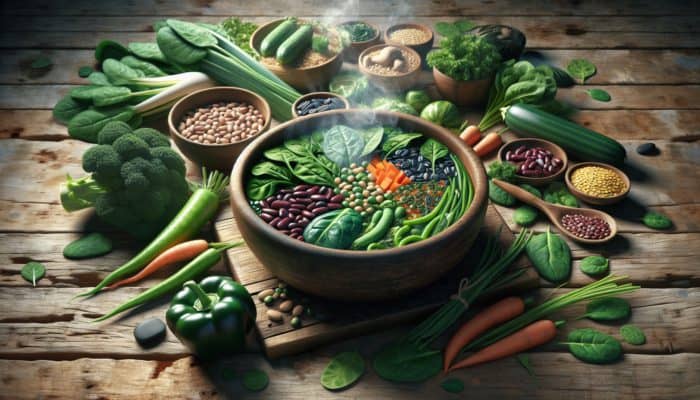
Focusing on nutrient-dense soup recipes is crucial for maintaining energy levels and promoting overall health during your meal prep sessions. Soups that are rich in vitamins, minerals, and fibres significantly boost your immune system and enhance digestion. When selecting recipes, aim for those filled with vibrant vegetables, lean proteins, and whole grains, as these ingredients contribute essential nutrients to your diet that support your health and wellbeing.
To effectively integrate these beneficial components into your meal plans, assess the nutritional value of your chosen ingredients. For example, adding leafy greens like spinach or kale increases vitamin content, while beans and lentils enhance protein and fibre levels. By consciously including a variety of nutrient-dense ingredients, you can prepare soups that are not only delicious but also nourishing for your body and mind, ensuring you feel your best.
How Can You Achieve Balanced Flavour in Your Soups Before Storage?
Mastering flavour balance in your soups prior to meal prep ensures they remain appealing even after storage. Begin by seasoning your base properly; adding salt and acidity early in the process helps create a rich foundation. However, it is wise to reserve some seasoning for the end, as flavours can intensify during storage and may require slight adjustments to maintain harmony.
Taste your soup as you cook, making gradual adjustments to the seasoning. This method helps to prevent any single flavour from dominating the others, ensuring a harmonious blend of tastes. For instance, if a soup becomes overly salty after storage, you can dilute it with a splash of stock or water, although it’s best to avoid that initial oversight by being mindful of your seasoning. By mastering flavour balance, you ensure your soups will delight your palate meal after meal, making them a joy to consume.
How Can You Assess Ingredient Shelf Life for Effective Meal Preparation?
When selecting soups for meal prep, it is essential to consider the shelf life of each ingredient to prevent spoilage. Fresh produce like carrots, onions, and potatoes generally have longer shelf lives compared to delicate greens, which should be consumed sooner for optimal freshness. Additionally, proteins such as chicken and seafood require careful handling; store them in the coldest part of your refrigerator or freeze them if not used within a few days to ensure they remain safe for consumption.
For soups that need to last longer, include vegetables that freeze well, such as peas or corn, which maintain their texture and flavour even after thawing. Understanding proper refrigeration techniques is crucial; soups should be cooled to room temperature before being stored in airtight containers. This practice helps maintain quality and safety, ensuring your prepped meals remain fresh and enjoyable throughout the week, allowing you to savour every bite.
How Can You Introduce Variety Into Your Soup Selections?
Keeping meal prep exciting is essential, and one of the most effective ways to achieve this is by diversifying your soup selections. Instead of sticking to the same recipe each week, explore a range of textures, flavours, and ingredients to keep your meals interesting. Alternating between creamy soups, hearty broths, and chunky vegetable soups not only prevents monotony but also enhances the nutritional balance of your meals, providing a well-rounded diet.
To embrace a seasonal approach, be mindful of which produce is in season throughout the year. In winter, hearty root vegetable soups are satisfying, while in summer, light and refreshing gazpachos can shine. By considering seasonal availability and varying your selections, you create a delightful rotation of flavours that nourishes both body and spirit, making your meal prep a source of joy rather than a chore.
Expert Tips for Crafting the Best Soup Recipes for Meal Preparation
What Key Techniques Do Experienced Cooks Use for Soup Preparation?
Seasoned cooks have acquired techniques that simplify soup preparation, making the process more efficient and enjoyable. One fundamental method is mise en place, which involves preparing and measuring all ingredients before you start cooking. This practice not only saves time but also creates a smoother cooking experience, reducing stress and enhancing your enjoyment during meal prep.
Another effective technique is batch cooking. This involves making large quantities of one soup and freezing portions for later use, providing quick meals for busy days. For instance, preparing a big pot of minestrone and storing individual servings in freezer-safe bags provides you with easy access to a delicious meal. Additionally, mastering your chopping skills can improve your efficiency; consider investing in a high-quality knife to speed up prep time. Each of these techniques brings you closer to a more seamless and enjoyable meal prep routine that fits into your lifestyle.
What Advanced Storage Methods Can Preserve the Quality of Your Soups?
Effective storage is crucial for maintaining the quality of your prepped soups. To ensure freshness and prevent freezer burn, opt for airtight containers or vacuum-sealed bags. Portioning your soups before freezing facilitates quick reheating and minimises waste, allowing you to enjoy your meals without the hassle of extensive preparation. Remember to leave enough space in containers, as liquids expand when frozen, to avoid spills and maintain quality.
Label your containers with the date and contents to help track freshness easily. For soups intended for consumption within a week, refrigeration is sufficient. However, for long-term storage, freezing is the best option to maintain the integrity of your meals. When thawing, do so in the refrigerator overnight or use your microwave's defrost setting. By using these advanced storage techniques, you can ensure your soups remain delicious and safe to enjoy, allowing you to savour each bowl with confidence.
How Can Custom Tweaks Lead to Better Soup Outcomes Tailored to Your Preferences?
Customising your soup recipes can yield improved outcomes that cater to your taste preferences or dietary needs. For example, if a creamy texture appeals to you, blend a portion of the soup before serving to create a sumptuous mouthfeel while keeping calories low. Alternatively, leaving some ingredients chunky adds texture and results in a heartier dish that is visually appealing and satisfying.
When adapting recipes for dietary restrictions, such as gluten-free or vegan options, consider alternative ingredients. For instance, substituting traditional pasta with gluten-free alternatives or using coconut milk instead of cream can accommodate various dietary needs. The key lies in being open to experimentation and adjustments—your personal touches can produce delightful soups that perfectly suit your palate and dietary preferences, making the cooking process enjoyable and rewarding.
What Characteristics Make a Soup Ideal for Meal Preparation?
Which Ingredients Stand Up Well in Soups for Meal Prep?
An ideal soup for meal prepping incorporates ingredients that maintain their texture and flavour over time. Sturdy vegetables like carrots and potatoes provide a satisfying crunch even after a few days in the fridge, ensuring your meals remain enjoyable. Likewise, grains such as barley or farro absorb flavours while preserving their integrity, making them fantastic additions to soups that can withstand storage.
Proteins suited for meal prep include beans and lentils, which retain their shape and texture without becoming mushy, making them perfect for hearty soups. Avoid using delicate vegetables like zucchini or spinach, as they can become limp and lose their appeal over time. By focusing on robust ingredients, you can ensure that your soups remain enjoyable and nutritious throughout the week, providing you with satisfying meals that keep you fueled and nourished.
How Does Simplicity Enhance Meal Preparation?
Simplicity in soup recipes streamlines meal prep routines and encourages consistency in your cooking efforts. By choosing straightforward recipes that require minimal steps, you cut down on time spent in the kitchen while still delivering nutritious meals that satisfy your hunger. For example, one-pot soups that require minimal chopping and quick cooking times are ideal for hectic days when time is of the essence.
A simple recipe allows for flexibility; it’s easy to modify based on available ingredients or personal preferences, making meal prep adaptable to your needs. With fewer components and steps, you can focus on developing rich flavours without feeling overwhelmed. This approach not only saves time but also fosters culinary creativity, transforming meal prep into an enjoyable and rewarding experience that you look forward to.
What Portioning Strategies Can You Implement for Efficient Meal Prep?
Efficiently portioning soups is essential for reducing waste and simplifying meal prep. One effective method is to divide your soup into individual servings immediately after cooking. This allows for easy reheating and helps maintain controlled portions, ensuring you enjoy the right amount without excess. Use smaller containers for lunch servings and larger ones for family meals to cater to different needs.
When filling containers, leave some space at the top for expansion during freezing, which helps prevent spills and preserves the quality of your soup. Clearly label your portions with the date and contents to facilitate easy identification, ensuring that you consume the older soups first. By adopting these portioning strategies, you streamline your meal prep process and can effortlessly enjoy delicious soups throughout the week, making healthy eating more accessible.
Research-Backed Benefits of Top Soup Recipes for Meal Preparation
What Health Benefits Can You Gain from Regularly Consuming Soups?
Incorporating nutrient-rich soups into your regular meal prep routine offers a multitude of health advantages. Research shows that regularly consuming soups can boost immunity thanks to their high concentration of vitamins and minerals. Ingredients like garlic, onions, and leafy greens are known for their immune-supporting properties, making soups a smart choice for maintaining health.
Moreover, soups are generally low in calories but high in fibre, making them an excellent choice for individuals looking to manage their weight effectively. They provide a sense of fullness without excessive calories, which aids in portion control and prevents overeating. Including a diverse array of soups in your daily meals can significantly enhance your overall health and wellbeing, making it easier to stay on track with your nutritional goals.
How Does Meal Prep Longevity Affect Your Cooking Practices and Choices?
Certain soups are particularly effective for meal prep longevity, allowing you to enjoy fresh flavours without compromising quality. For example, thick soups such as chowders or stews generally hold up well and often taste even better after a day or two, as the flavours meld beautifully over time, creating a rich and satisfying dish.
Research indicates that soups with high acidity, like tomato-based recipes, also have longer shelf lives due to their preservation qualities. By selecting recipes recognised for their longevity, you can maximise the benefits of your meal prep while ensuring that your soups remain enjoyable throughout the week, providing you with a convenient and delicious meal option on busy days.
Why Is Variety Crucial in Your Soup Recipes for Optimal Nutrition?
Incorporating a wide range of soup recipes is essential for balanced nutrition during your meal prep. Different ingredients provide unique health benefits; for example, root vegetables are rich in vitamin A, while legumes offer protein and fibre that support your dietary needs. By rotating your soup options, you can ensure a well-rounded intake of essential nutrients that keep your body functioning optimally.
This variety not only keeps your meal prep exciting but also helps prevent nutrient deficiencies that can arise from a limited diet. Seasonal adaptations in your soup recipes provide opportunities to explore new flavours and ingredients, enhancing your overall health and enjoyment of food while making your culinary experience more fulfilling.
How Can You Store Soups Effectively for Meal Preparation?
What Are the Best Containers for Maintaining Freshness in Soups?
Choosing the right containers for soup storage is vital for preserving freshness and preventing spoilage. Airtight containers are essential, as they keep air out and maintain the soup's quality and flavour over time. Glass containers are often an excellent option since they are non-reactive and can transition seamlessly from the fridge to the microwave, making reheating a breeze.
For those preferring a lightweight choice, BPA-free plastic containers can also work well. Ensure that the containers are freezer-safe if you plan to store soups for extended periods, allowing for versatility in meal prep. The right storage solutions enhance preservation and make reheating easy, allowing you to enjoy your prepped meals without hassle, ensuring you can savour delicious soup at your convenience.
What Techniques Can Help You Avoid Common Storage Problems with Soups?
Common issues like separation or staleness in stored soups can be easily avoided with a few simple techniques. First, ensure that soups cool completely before storing; this practice helps to prevent condensation, which can lead to freezer burn and spoilage. When reheating, do so gently to avoid breaking down the ingredients; a slow simmer is often the best method to maintain texture and flavour integrity.
For cream-based soups, consider adding dairy products after reheating to maintain creaminess and prevent curdling, ensuring your soup remains indulgent and pleasurable to eat. By following these techniques, you can ensure that your stored soups retain their intended flavour and texture, making mealtime enjoyable and allowing you to savour every spoonful.
What Reheating Methods Preserve Taste and Quality in Your Soups?
To ensure that soups maintain their original appeal after storage, using proper reheating methods is essential. Begin by transferring the portion you want to a pot and warming it over medium-low heat, stirring frequently. This gentle technique helps to heat the soup evenly without compromising its texture or flavour, ensuring a delightful eating experience.
If you're pressed for time, the microwave can be a convenient choice. Use a microwave-safe container, cover it loosely to allow steam to escape, and heat in short intervals while stirring in between to achieve an even temperature. Here are some quick tips for safe and flavour-preserving reheating:
- Stir frequently: This prevents hotspots and ensures even heating throughout the soup.
- Check temperature: Ensure the soup reaches 74°C for safety before consuming.
- Adjust seasoning: Flavours can mellow during storage; a pinch of salt can rejuvenate the taste.
- Avoid overheating: Overheating can change texture; aim for a gentle simmer to preserve quality.
By utilising these reheating strategies, you can guarantee that every bowl of soup you enjoy remains just as delicious as the day it was prepared, ensuring a satisfying meal experience each time.
How Should You Label and Organise Your Stored Soups for Efficiency?
Labeling your soup containers is essential for tracking freshness and preventing spoilage, ensuring that you consume your meals in a timely manner. Each container should be marked with the date, contents, and any specific storage instructions to facilitate easy identification. This practice ensures that you consume older soups first, thereby reducing waste and increasing your meal prep efficiency.
Organising your soups in the refrigerator or freezer is equally important for maintaining order. Keep similar items together and consider designating a specific shelf or section for soups. This strategy makes it quick and easy to find what you need, helping you stick to your meal prep plan without unnecessary rummaging. By being methodical in your labeling and organisation, you create a streamlined system that supports your weekly meal prep goals, making the process more enjoyable and efficient.
What Are the Best Strategies for Portioning Soups for Convenient Meals?
Dividing soups into individual or family-sized portions is a game-changer for simplifying reheating and minimising waste. This practice promotes efficient meal prep, allowing you to grab a single serving for lunch or a larger portion for dinner without any hassle or fuss. By having meals portioned out, you can quickly enjoy a nutritious soup whenever you need it.
When portioning, consider using freezer-safe bags for individual servings. They take up less space than containers and can be laid flat in the freezer, making them easy to stack and store. Alternatively, choose containers with built-in portion markers to reduce guesswork and ensure you serve the right amount. This strategy not only helps maintain portion control but also preserves nutrients, seamlessly fitting into busy schedules and making your meal prep more effective and enjoyable.
Innovative Tips for Customising Your Soup Recipes to Suit Your Tastes
How Can You Introduce Proteins for Enhanced Nutrition in Your Soups?
Adding proteins to your soups can significantly elevate their nutritional profile and increase satisfaction. Lean meats such as chicken or turkey are fantastic choices, providing a clean source of protein, but don't overlook plant-based proteins like beans, lentils, or chickpeas, which also contribute valuable fibre and essential nutrients to your meals.
To maximise the soup’s sustenance, introduce cooked proteins towards the end of the cooking process to retain their texture and flavour. For example, adding shredded rotisserie chicken to a simmering vegetable soup can effortlessly enrich the dish. This not only elevates the flavour profile but also transforms your soup into a fulfilling main course that satisfies your hunger and keeps you energised throughout the day.
How Can You Experiment with Textures in Your Soups for Greater Appeal?
Varying the textures of your soups can keep your meal prep experience fresh and exciting, allowing you to explore different culinary creations. If you prefer a creamier consistency, consider using an immersion blender to purée portions of your soup, creating a delightful mix of smooth and chunky textures that cater to different preferences. Conversely, leaving some ingredients whole provides a rustic feel; chunky vegetable soups can be incredibly satisfying and visually appealing, making them a joy to eat.
You might also want to experiment with garnishes that introduce contrasting textures, such as crispy croutons, toasted seeds, or fresh herbs. These additions not only enhance the eating experience but also offer extra nutritional benefits, making your meal more enjoyable and satisfying. By being creative with textures, you can craft nutritious soups that are as enjoyable to eat as they are to prepare, making your cooking adventures even more rewarding.
What Seasonal Adjustments Should You Make to Your Soup Recipes?
Adapting your soup recipes based on seasonal availability ensures your meals remain relevant and enjoyable throughout the year. In autumn, hearty root vegetables like pumpkins and potatoes become plentiful, making them perfect for comforting soups. In contrast, summer brings an abundance of fresh tomatoes and zucchini, ideal for vibrant gazpachos or light broths that refresh and invigorate.
To effectively utilise seasonal produce, plan your soups around what’s ripe at local markets or grocery stores. This not only enhances flavour but also supports local agriculture, allowing you to eat in harmony with the seasons. By being mindful of seasonal changes, you can create soups that reflect the best of nature's offerings, making your meal prep both delicious and sustainable, and truly delightful.
How Can You Enhance Flavour with Herbs and Spices for a Unique Twist?
Incorporating a variety of herbs and spices can significantly boost the flavour of your soups, making them more vibrant and enjoyable. Consider exploring unique combinations, such as native Australian bush spices like lemon myrtle or wattleseed, which can add an intriguing twist to familiar ingredients and elevate your soup experience. These spices complement traditional vegetables beautifully, creating a distinctive taste profile that makes your soups memorable.
Experiment with fresh herbs like coriander or dill, which can be added at the end of cooking for a burst of freshness and aroma. Spices such as turmeric not only impart a warm colour but also offer anti-inflammatory benefits that contribute to overall health. By thoughtfully incorporating herbs and spices, you can tailor your soups to your preferences, ensuring that every bowl is a delightful culinary experience that excites your palate.
Frequently Asked Questions
What Are the Best Vegetables for Soup Recipes?
Root vegetables like carrots and potatoes, along with aromatic options like onions and garlic, are often regarded as the best for enhancing flavour and texture in soup recipes, providing a satisfying base for a variety of dishes.
Can I Freeze Soups for Later Use?
Absolutely, most soups freeze well. Just ensure they are cooled completely and stored in airtight containers to maintain freshness and avoid freezer burn, allowing you to enjoy them at your convenience.
How Long Can I Keep Soup in the Fridge Before It Goes Bad?
Homemade soups can typically be stored in the fridge for 3-5 days. Always check for signs of spoilage before reheating to ensure safety and quality.
What Is the Best Way to Reheat Soup for Optimal Taste?
Reheat soup on the stove over medium-low heat, stirring frequently to maintain an even temperature and prevent sticking. Alternatively, you can use a microwave in short intervals, stirring in between for even heating without compromising flavour.
Can I Add Dairy to Soups Before Freezing Them?
It's best to avoid adding dairy before freezing, as it can separate upon reheating. Instead, add cream or cheese after thawing and reheating the soup to preserve its creamy texture and rich flavour.
What Type of Container Is Best for Freezing Soup?
Airtight plastic or glass containers are ideal for freezing soup. Make sure they are freezer-safe to prevent cracking or warping, ensuring your soup remains fresh and delicious.
How Do I Know If My Soup Has Gone Bad?
Signs of spoilage include off smells, changes in colour, or the presence of mould. When in doubt, it's best to discard the soup to avoid health risks.
Can I Make Soup in Advance for Meal Prep Purposes?
Absolutely! Soup is an excellent option for meal prep as it stores well and often tastes better after a day or two, allowing the flavours to meld beautifully for a more enjoyable meal experience.
What Should I Consider When Meal Prepping Soup for the Week?
Take into account the shelf life of ingredients, the balance of flavours, and portion sizes to ensure your soups remain delicious and nutritious throughout the week, making meal prep a breeze.
How Can I Keep My Soup Ingredients Fresh for Longer?
Store fresh ingredients in airtight containers in the fridge, and be mindful of using them based on their shelf life to prevent spoilage, ensuring that your soups are made with the freshest ingredients possible.
Check out our Facebook profile today!
The post Top Soup Recipes for Meal Prep: Easy Ideas for Busy Weeks appeared first on https://cookinggods.com
The Article Soup Recipes for Meal Prep: Quick Ideas for Busy Weeks Was Found On https://limitsofstrategy.com