Discover the Extensive Advantages of Vitamin D Blood Testing in Oldham
What Makes a Vitamin D Blood Test Crucial for Your Health?
Private Vitamin D Blood Test in Oldham: A vitamin D blood test is an indispensable diagnostic resource within the UK’s healthcare framework, facilitating a precise evaluation of vitamin D levels in an individual’s bloodstream. This straightforward procedure typically involves a simple blood sample taken from a vein, making it an efficient and uncomplicated process for patients eager to monitor their health.
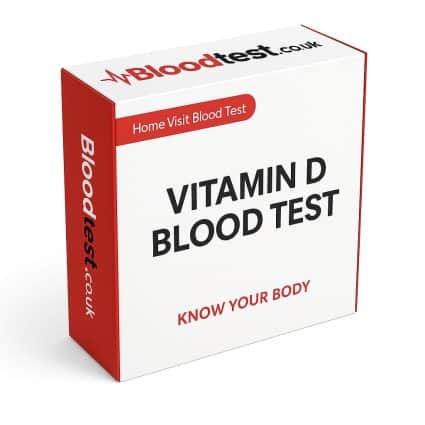

This test is particularly significant as it assists in identifying deficiencies that are notably prevalent among older adults, especially in regions with limited sunlight exposure. In Oldham, local NHS practices frequently conduct this test, reflecting a growing recognition of the need to monitor vitamin D deficiency within the community.
Why You Should Prioritise Vitamin D Testing in Oldham
The rising demand for vitamin D blood tests in Oldham arises from several critical factors. By understanding these reasons, local residents can gain a deeper appreciation for the importance of effectively monitoring their vitamin D levels. Below are some compelling motivations that underscore the essential nature of testing:
- Seasonal fluctuations in sunlight exposure affecting vitamin D synthesis
- Dietary limitations, particularly regarding the availability of vitamin D-rich foods in typical diets
- Age-related risks, especially concerning the elderly demographic
- Specific health conditions that may hinder the absorption of vitamin D
- Increased indoor activity during the winter season
What Symptoms Should Prompt You to Consider Vitamin D Deficiency Testing in the UK?
In the UK, numerous symptoms can often signal a potential vitamin D deficiency, necessitating testing. These symptoms may encompass relentless fatigue, generalised muscle weakness, and persistent bone pain. Such indicators are especially prevalent in northern regions, where diminished sunlight exposure during the winter months can exacerbate the situation. Early detection of these symptoms is crucial, as it can lead to timely medical interventions, and residents are strongly encouraged to seek advice from healthcare professionals if they notice these warning signs.
How Can You Effectively Interpret Your Vitamin D Test Results?
Grasping the outcomes of a vitamin D blood test is vital for understanding one’s overall health status. In the UK, standard vitamin D levels are typically considered to fall within the range of 50-125 nmol/L. Results that fall below this range may suggest a deficiency that could negatively affect bone health and immune function. Residents of Oldham are encouraged to consult healthcare professionals to accurately interpret their results and receive personalised recommendations to address any deficiencies identified.
What Are Your Options for Accessing Vital Vitamin D Blood Tests in Oldham?
Residents in Oldham can conveniently access vitamin D blood tests through a variety of NHS services. Initially, individuals must consult their GP, who will assess the need for testing based on established clinical protocols. The booking process is typically straightforward, allowing for quick arrangements to address any concerns regarding vitamin D status. While costs may vary, many residents can access these tests free of charge through the NHS. Local clinics, including those located within the Oldham Integrated Care Centre, provide convenient access to testing services and follow-up consultations.
Gain Expert Insights into Vitamin D Blood Tests: Advanced Diagnostic Techniques in Oldham
In the realm of vitamin D blood tests, UK laboratories employ cutting-edge diagnostic methods that significantly enhance the accuracy of results. Techniques such as liquid chromatography-mass spectrometry deliver precise measurements of vitamin D metabolites, which are crucial for accurately diagnosing deficiencies. This advanced level of testing not only improves patient outcomes by ensuring more reliable diagnoses but also equips healthcare professionals with the necessary information to make informed treatment decisions based on test findings.
How Do Experts Analysing Vitamin D Test Results Ensure Accuracy?
Healthcare professionals in Oldham employ a systematic approach to evaluate vitamin D test results. They consider multiple factors, including the patient’s age, medical history, and the presence of any relevant symptoms. According to recognised guidelines, if a deficiency is identified, healthcare providers recommend appropriate follow-up care that may include lifestyle modifications, dietary changes, or supplementation strategies. This holistic approach guarantees that patients receive comprehensive care that addresses not only the deficiency but also any underlying health issues.
What Clinical Recommendations Exist for Vitamin D Blood Testing?
Healthcare specialists advocate for pursuing vitamin D blood tests under several specific circumstances. For instance, individuals over the age of 65, those with limited sun exposure, or individuals with certain medical conditions are encouraged to consider regular testing. Local health services in Oldham adhere to evidence-based protocols that dictate when and how frequently these tests should be performed. Observations from real-world scenarios indicate that proactive testing and subsequent treatment plans can significantly enhance health outcomes for at-risk populations.
How Can Vitamin D Testing Be Integrated into Oldham’s Healthcare Framework?
The integration of expert insights regarding vitamin D blood tests into Oldham’s healthcare framework is essential for enhancing community health. By aligning testing protocols with local NHS guidelines, healthcare providers can ensure that residents have seamless access to essential diagnostic services. Strategies aimed at improving accessibility may involve collaboration between general practitioners and public health initiatives, ensuring that all residents are educated about the significance of vitamin D testing and can proactively engage in preventive health measures.
What Is the Step-by-Step Process of a Vitamin D Blood Test?
What to Expect from the Procedure for Vitamin D Testing?
The procedure for undergoing a vitamin D blood test in UK healthcare facilities is meticulously designed to ensure efficiency while minimising patient discomfort. Typically, the process involves several essential steps: first, a healthcare professional will prepare the patient to ensure their comfort throughout the procedure. Following this, a blood sample is drawn from a vein in the arm using a sterile needle, which is subsequently sent to a laboratory for comprehensive analysis. Patients may find it beneficial to follow preparation tips, such as avoiding strenuous exercise before the test and maintaining a normal diet unless specifically instructed otherwise.
- Ensure you arrive hydrated but not overly full
- Avoid strenuous exercise prior to your appointment
- Adhere to any specific instructions provided by your healthcare provider
- Bring any necessary identification or referral letters with you
What Essential Equipment and Testing Methods Are Used?
Clinics in Oldham utilise high-quality equipment and methods for conducting vitamin D blood tests. Instruments such as automated analysers are employed to guarantee quick and precise results, adhering to strict safety standards that protect both patients and healthcare staff. Generally, the turnaround time for results ranges from a few days to a week, allowing for timely follow-up and necessary interventions based on the findings.
What Potential Complications Should You Be Aware Of Following the Test?
Although vitamin D blood tests are generally regarded as safe, complications may include minor bruising or discomfort at the needle insertion site. Such occurrences are rare and typically resolve swiftly. Patients are advised to manage any post-test concerns by applying pressure to the site and keeping it clean. Should bruising develop, applying a cold compress can assist in reducing swelling and alleviating discomfort.
Research-Backed Benefits of Vitamin D Blood Testing in Oldham
How Does Vitamin D Testing Contribute to Bone Health and Osteoporosis Prevention?
Research conducted across various studies in the UK underscores the critical role of vitamin D blood tests in promoting bone health. For example, testing can help identify individuals at risk of developing osteoporosis, particularly among the elderly population in Oldham. By facilitating timely interventions, such as supplementation or lifestyle adjustments, these tests are instrumental in preventing fractures and other bone-related complications that can arise from vitamin D deficiency.
What Evidence Supports the Importance of Vitamin D Testing?
Local research has demonstrated that vitamin D blood tests are integral to overall wellbeing by identifying deficiencies that could lead to chronic health issues. Evidence indicates that maintaining adequate vitamin D levels is associated with a reduced risk of conditions such as cardiovascular disease and diabetes. This highlights the importance of regular testing and monitoring, as it can inform stronger health strategies for residents in Oldham, ultimately promoting a healthier community.
How Can Preventive Health Strategies Enhance Your Wellbeing?
Establishing preventive health strategies is vital for maintaining optimal health, and vitamin D blood tests are a critical component of this framework. Based on test results, individuals can implement informed dietary changes or lifestyle modifications. For instance, increasing sun exposure or incorporating more vitamin D-rich foods, such as fatty fish and fortified products, can significantly enhance overall health and wellbeing, contributing to a healthier lifestyle.
What Is the Impact of Vitamin D on Immune Function and Overall Health?
Studies conducted in the UK reveal that vitamin D blood tests are essential for identifying deficiencies that could compromise immune function. Healthcare providers in Oldham utilise these tests to tailor health plans, enabling residents to strengthen their immune responses and reduce their risk of illnesses, such as respiratory infections. This proactive approach supports community health, particularly during colder months when respiratory illnesses tend to be more prevalent.
How Do Vitamin D Levels Affect Mental Health and Wellbeing?
Research conducted in Britain has established a connection between low vitamin D levels and increased risks of depression and cognitive issues, particularly among older adults. In Oldham, the availability of vitamin D blood tests empowers healthcare providers to intervene early by recommending supplements or lifestyle changes that enhance mental health outcomes. By addressing deficiencies, residents can improve their quality of life through evidence-based strategies that support both mental and physical wellbeing.
What Are the Key Signs That Indicate You May Require a Vitamin D Test?
How to Identify Early Warning Signs of Deficiency?
In the UK, several subtle symptoms may indicate a vitamin D deficiency. Individuals experiencing muscle weakness, persistent fatigue, or frequent illnesses should consider consulting a healthcare provider for testing. Recognising these early warning signs is crucial, as it can lead to timely diagnosis and treatment, ultimately preventing more severe health complications from arising.
What Factors Increase the Risk of Vitamin D Deficiency?
Various lifestyle and environmental factors in the UK can heighten the need for vitamin D testing. For instance, individuals who predominantly lead indoor lifestyles, particularly during the winter months, are at an increased risk of developing deficiencies. Additionally, dietary habits that lack vitamin D-rich foods further exacerbate this risk. Awareness of these factors is essential for residents in Oldham to take proactive steps in monitoring their vitamin D levels and improving their overall health.
How to Recognise Severe Cases of Vitamin D Deficiency?
Severe instances of vitamin D deficiency may manifest advanced symptoms that necessitate urgent testing. Symptoms such as chronic pain, pronounced muscle weakness, or sudden mood fluctuations should prompt immediate consultation with a healthcare professional. Being able to recognise these severe signs can facilitate prompt interventions that are essential for restoring health and preventing long-term complications.
What Preparations Should You Make for Your Vitamin D Blood Test in Oldham?
Essential Pre-Appointment Guidelines for a Successful Testing Experience
Before attending a vitamin D blood test at UK clinics, individuals should adhere to practical advice to ensure accurate results. Generally, fasting is not necessary, but patients should verify any specific instructions from their healthcare provider. Arriving well-hydrated and prepared for the appointment can significantly contribute to a smoother testing process and result in more reliable outcomes.
Why Is Post-Test Follow-Up with Healthcare Providers Important?
After receiving results from a vitamin D blood test, scheduling a follow-up appointment with a GP is essential to discuss the implications of the findings. This conversation should encompass an understanding of what the results signify for one’s health and any necessary actions to take, such as lifestyle changes or dietary modifications. This step ensures that individuals are equipped with a personalised plan to effectively address any deficiencies identified during testing.
What Long-Term Management Strategies Should You Implement to Maintain Optimal Vitamin D Levels?
Maintaining optimal vitamin D levels following testing is crucial for ongoing health. Residents in Oldham can implement various strategies to achieve this objective, including increasing sunlight exposure during the summer months, incorporating vitamin D-rich foods into their diets, and considering supplements if advised by healthcare professionals. These long-term management tips not only support overall health but also help prevent future deficiencies, promoting a healthier lifestyle for all.
How to Choose the Right Clinic for Your Vitamin D Blood Test in Oldham?
Selecting the most suitable clinic for a vitamin D blood test in Oldham necessitates careful consideration of several factors. Residents should explore both NHS services and private options, assessing waiting times and the qualifications of healthcare professionals. Ensuring a convenient appointment process that aligns with local availability can significantly enhance the experience and outcomes for individuals seeking testing.
What Common Questions Are Asked About Vitamin D Blood Tests?
What Is the Primary Purpose of a Vitamin D Blood Test?
The primary purpose of a vitamin D blood test is to measure vitamin D levels in the blood, which helps identify deficiencies that can adversely affect bone health and immune function.
How Often Should I Have My Vitamin D Levels Tested?
The frequency of vitamin D testing depends on individual risk factors; however, those at higher risk may benefit from annual testing.
What Specific Symptoms Indicate a Need for Testing?
Symptoms such as ongoing fatigue, muscle weakness, and bone pain may indicate a need for a vitamin D blood test.
Are There Any Associated Risks with Undergoing the Test?
While vitamin D blood tests are generally safe, potential risks may include minor bruising or discomfort at the injection site.
Can I Obtain a Test Without a Referral from a Healthcare Provider?
In most cases, a referral from a healthcare provider is necessary to access a vitamin D blood test through the NHS in Oldham.
What Actions Should I Take If My Test Results Are Low?
If results indicate low levels, healthcare providers will discuss appropriate interventions, which may include dietary modifications or vitamin D supplementation.
How Long Does It Typically Take to Receive Results?
Results from a vitamin D blood test are usually available within a few days to a week, depending on the clinic’s processing times.
What Dietary Changes Can Help Enhance My Vitamin D Levels?
Incorporating foods rich in vitamin D, such as fatty fish, egg yolks, and fortified dairy products, can significantly improve your vitamin D levels.
Is Vitamin D Supplementation Necessary for Everyone?
Not everyone requires supplementation; healthcare providers will recommend it based on individual test results and dietary intake.
Where Can I Locate Testing Facilities in Oldham?
Facilities for vitamin D blood tests in Oldham can be found through local NHS clinics, private healthcare providers, and community health centres.
Connect with us on Facebook!
This Article Was First Found On https://bloodtest.co.uk
The Article Vitamin D Blood Test Importance in Oldham Explained found first on https://electroquench.com